
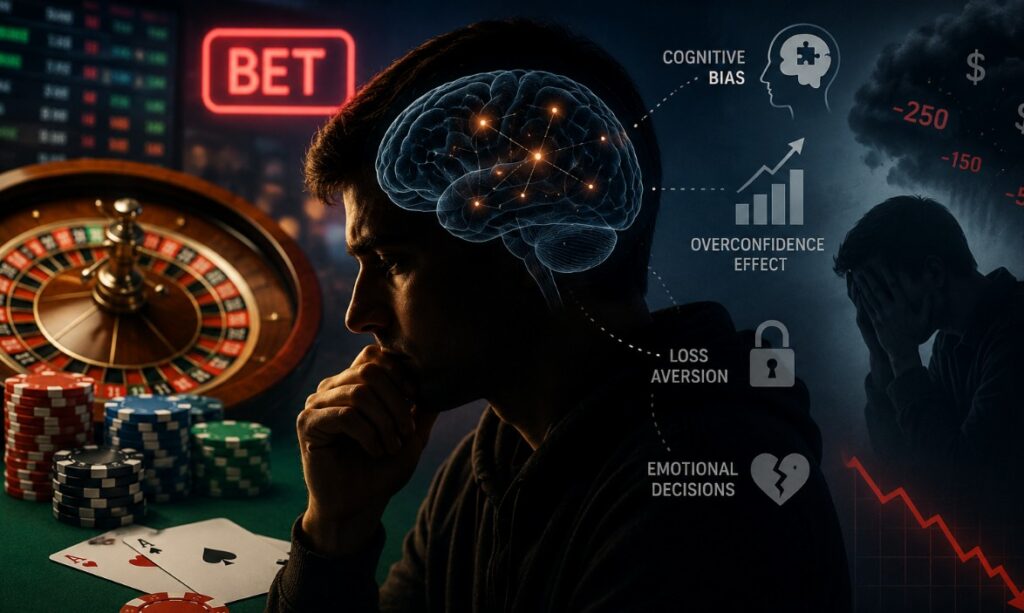
Betting isn’t just a hobby for sports fans or people who hit the casino anymore. For a lot of folks, it digs deeper into psychology, touching on excitement, motivation, confidence and even how they see themselves. With online platforms exploding in popularity, if you’re curious about how people tick or want to get better at understanding yourself, knowing what’s really going on in the mind when people bet is getting more important.
Betting feels exciting way before the game ends or the cards come out. The anticipation alone is enough to give most people a rush, you feel it right away. No matter if you’re dropping a small bet on a football match or spinning an online roulette wheel after a long day, betting taps into something innate: The hunger for reward, the thrill of prediction and the chase for emotional highs.
Lately, betting has become a lot more convenient. You don’t need to hit up a casino or even see a bookmaker; your phone can do it all in seconds. But technology isn’t the only reason millions keep coming back. The real answer is rooted in psychology.
Things like the emotional rush, the feeling of control, being optimistic and just connecting with other people all matter. If you’re into self-awareness and growth, betting is this open window into how our brains handle risk, rewards and making choices.
Why humans are naturally drawn to risk
We’re hardwired to go after rewards. It’s survival, plain and simple. Our brains dish out dopamine not just when something feels good, but when we expect something to feel good. That tiny detail changes things, because when you’re betting, the anticipation can be the juiciest part.
The seconds before a game starts or the moments before you see if you’ve won are practically electric. That tension, the uncertainty, gets to your brain in a big way. Psychologists call this a “variable reward system”. In simple terms: Unpredictable rewards pull people in more than predictable ones.
The role of confidence and decision-making
One of the coolest things in betting psychology is how much it ties into believing in yourself. People like to feel informed and capable. Take sports fans, some spend years mastering stats, learning players and following league trends. Betting lets them put all that knowledge to the test, live.
This is exactly why betting on sports often draws in people who love digging into analysis and thrive on competition. A football fan can feel invested not just for their team, but because they genuinely think they know the game well enough to predict better than most.
Modern betting platforms have gotten smart about this; they feed that need with detailed stats, live updates and tons of options. Some mix sports betting with casino games, turning their site into a one-stop entertainment spot where users keep finding new ways to stay engaged.
Near misses and the “almost won” effect
Another big psychological trigger in betting is the near miss. People remember losses where they almost won way more vividly than just plain losses. Missing a huge payout by one goal or card pushes them to keep going because the brain sees it as “almost close enough”.
Weirdly enough, studies show near misses light up the reward centers of the brain almost as much as real wins. This explains why people often keep betting even after losing.
Social identity and community

For lots of people, betting isn’t only about money, it’s about connection. Friends toss bets back and forth during huge sports events. Coworkers talk about predictions before kickoff. Online groups break down odds and celebrate wins together.
Especially in sports culture, it’s huge. Supporting a team means belonging, and betting amplifies that, because fans become even more emotionally tied to results.
Emotional control and self-awareness
Betting can be a blast, but from a psychological standpoint, self-awareness is everything. Emotions seriously sway your decisions, especially right after a win or a loss.
Winning streaks risk making you overconfident. Losing streaks can be frustrating and make you act impulsively.
That’s where personal development comes in. Learning how to regulate your emotions is one of the best skills you can have. And the same discipline you’d use in fitness, business or relationships applies here too.
Why betting continues to grow
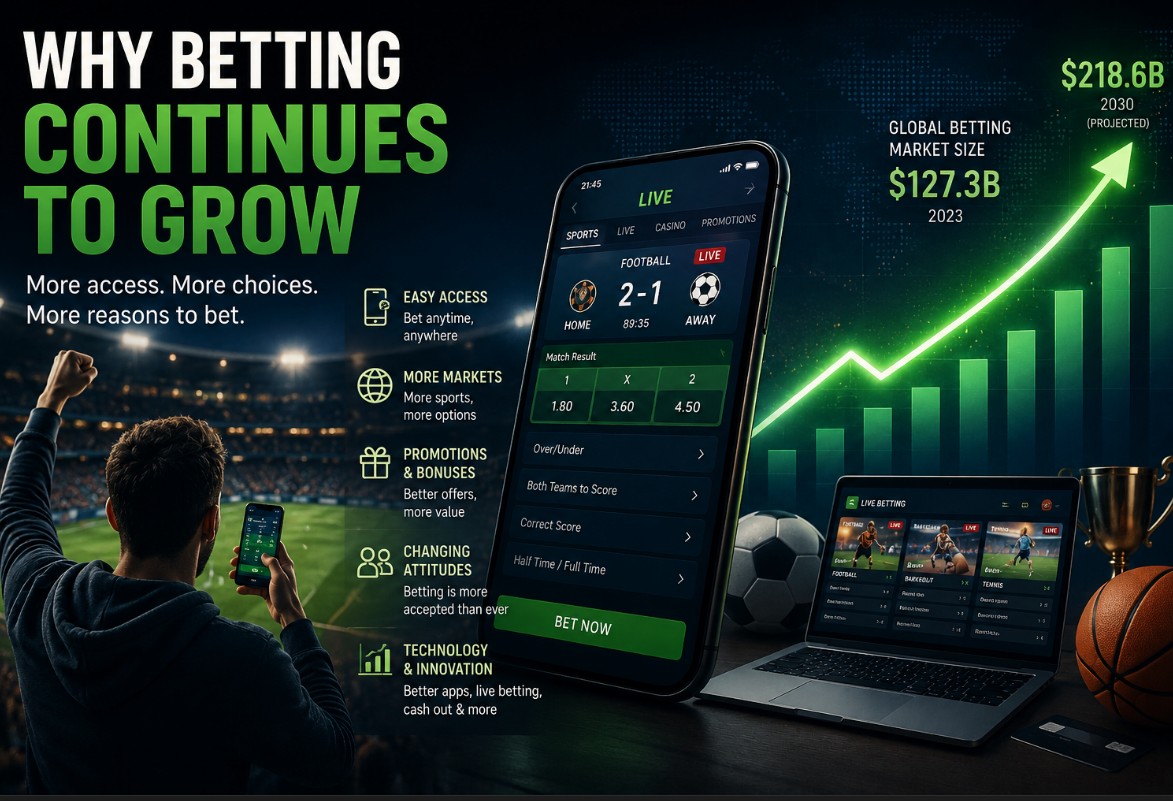
Betting’s rise boils down to easy access, entertainment and deep psychology. People love excitement. They crave competition. They like testing their instincts and getting emotionally invested in events.
Online platforms have made the whole thing faster and way more interactive. Live betting, global sports and casino games, all create almost nonstop engagement that slot right into digital lifestyles.
But beneath all the tech and convenience, the appeal is human at its core. Betting feeds optimism, curiosity and that emotional thrill of uncertainty and being right. These psychological forces are powerful, they connect straight to universal human behavior.