
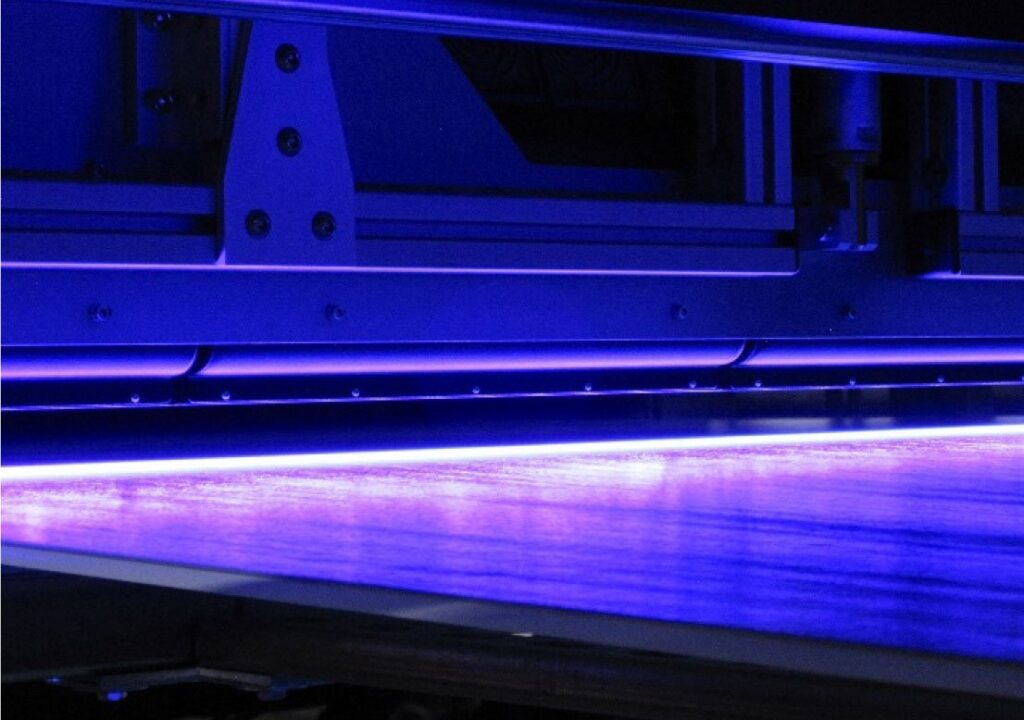
Utilizing UV curing can significantly boost production efficiency. It reduces curing times, enabling businesses to ramp up throughput and better meet market demands.
Furthermore, UV curing cuts down on waste through precise application techniques. This aspect means less material loss and lower overall production expenses, which can improve profit margins.
With UV curing, consistent quality is attainable. The flawless finishes produced minimize the necessity for extensive manual inspections and rework.
The rapid photopolymerization process characteristic of UV curing reduces defects, which in turn enhances product integrity and durability.
When deciding between UV LED and traditional UV lamps, businesses must consider their specific production needs, as each type offers unique benefits for varied applications.
Grasping application methods, such as spot curing for targeted tasks or area curing for larger surfaces, can further improve operational efficiency and cost-effectiveness.
Numerous success stories across different industries highlight the transformative effects of UV curing, from enhanced quality to quicker market entry.
How UV Curing Enhances Production Efficiency
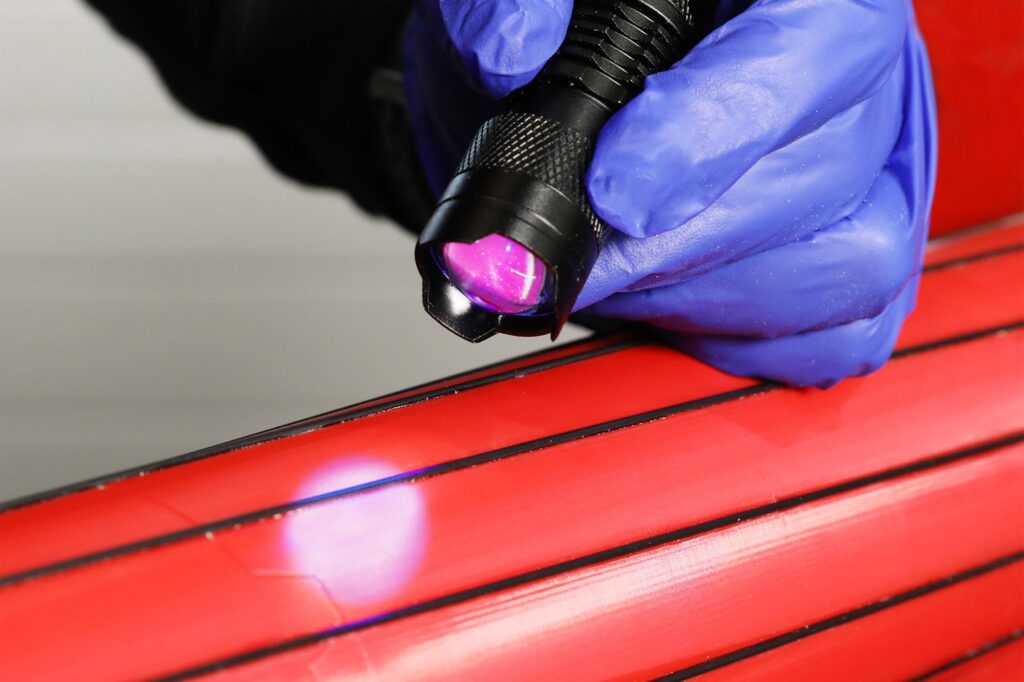
Opening up Speed: Rapid Curing Times Explained
The manufacturing field is always pushing for greater efficiency. Many clients find that UV curing serves as a substantial opportunity to speed up their production processes.
Unlike traditional methods, which can extend over minutes or even hours, UV curing often accomplishes curing in mere seconds. This leap in speed translates directly to gains in throughput.
Consider a manufacturer of printed circuit boards. They made the transition from conventional drying to UV curing and drastically cut their curing times.
Tasks that once took 20 minutes can now be completed in under a minute, allowing for the production of many more units each day. This rapid pace doesn’t just streamline operations; it enables businesses to respond swiftly to any shifts in market needs.
Reducing bottlenecks results in smoother operational flows. As curing times decrease, so does the waiting period for decisions—especially during peak production times.
This agility ensures companies can quickly adapt without compromising quality, effectively offering them a competitive advantage in a constantly changing market.
Reducing Waste: A Closer Look at Material Savings
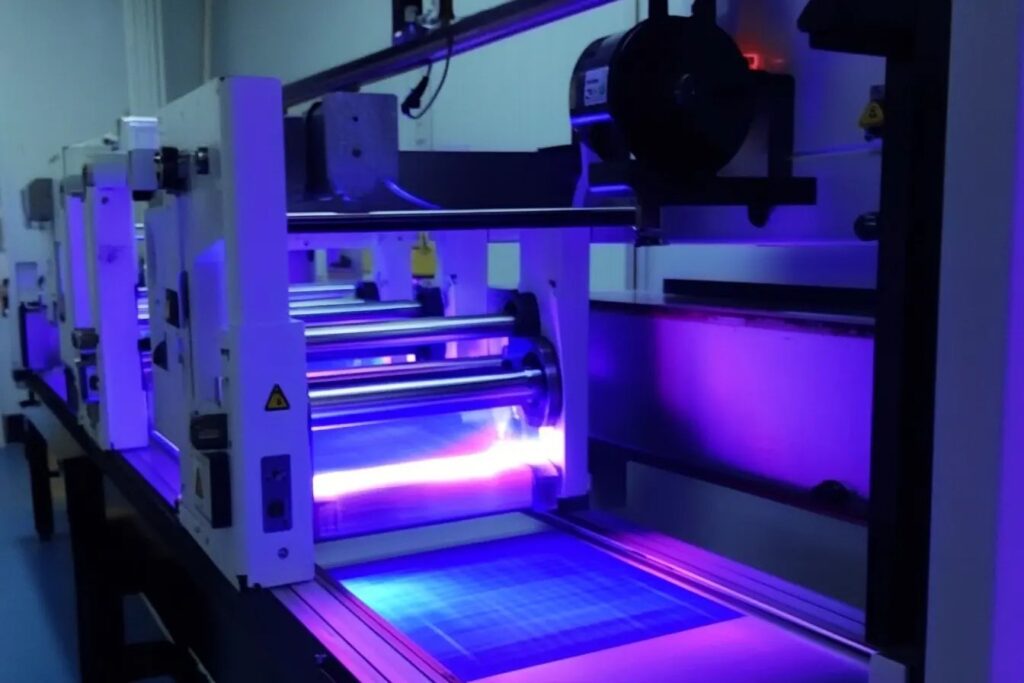
Lowering waste in production goes beyond just being eco-conscious; it significantly enhances profit margins.
UV curing effectively resolves issues related to excessive material usage by optimizing resource application. Manufacturers using traditional methods often run into problems like over-application, resulting in waste. Here’s the upside: UV curing only cures what’s genuinely needed.
- Precision application leads to minimal over-application.
- Less cleaning means a decrease in the solvents required after curing.
- Minimal material loss significantly lowers scrap rates.
This precision isn’t just an added feature; it’s the bedrock of sustainable manufacturing practices.
Many companies, spanning diverse fields from packaging to automotive, have documented noteworthy waste reductions after adopting UV technologies, resulting in lower costs and enhanced profitability.
The Role of UV Curing in Quality Control
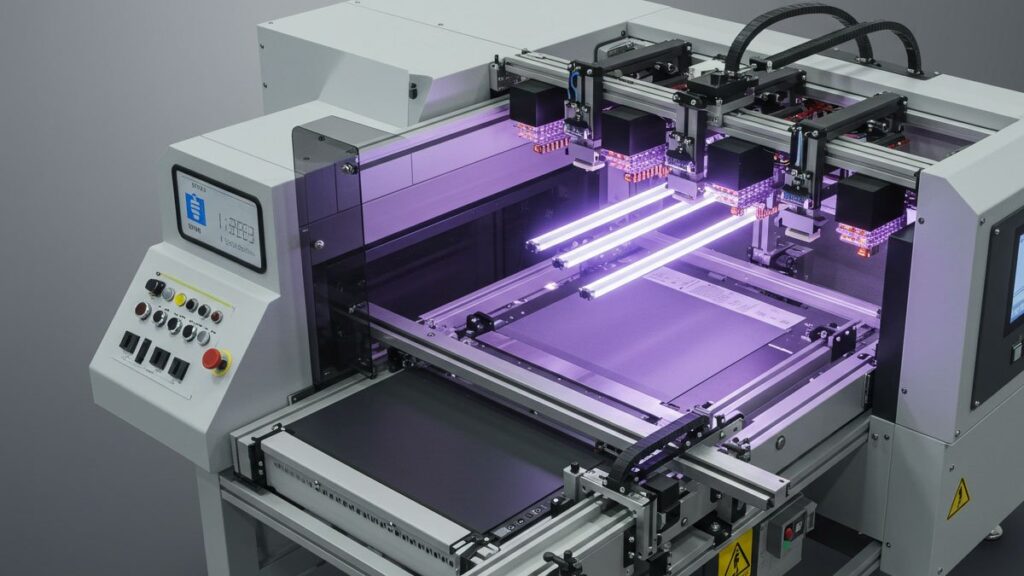
Achieving Consistency: Flawless Finishes Every Time
For manufacturers, quality is paramount. Inconsistencies aren’t an option, particularly when consumer satisfaction is on the line.
UV curing stands out for its unmatched ability to deliver flawless finishes. With uniform curing, each product consistently meets the highest standards.
A notable case involves a coating company that pivoted to UV curing, experiencing remarkable improvements in their quality assurance processes.
Rather than checking each piece individually for defects, they now trust the uniform results of UV techniques, translating into quicker inspection times and less rework.
Quality control teams can shift their focus toward enhancing other facets of production, saving significant time and bolstering their reputation for quality.
Minimizing Defects: The Science Behind UV Curing Precision
Defects can derail or slow down a production line considerably. Companies often discover that inefficient curing methods lead to undesirable results, like incomplete curing or contamination.
UV curing drastically minimizes these errors. The underlying science is clear yet impactful: the instant photopolymerization process ensures that materials cure precisely at the molecular level.
“Curing with UV technology not only speeds up the process but also seals in quality – it’s precision at its finest.”
Take, for example, a printing business that grappled with smudging and peeling. Post-transition to UV curing, they observed a stunning drop in defects.
The precision afforded by UV curing technology boosts durability and quality overall. This immediate improvement underscores the essential role of UV curing in preserving product integrity.
Exploring UV Curing Technologies for Diverse Applications
UV LED vs. Traditional UV Lamps: Which is Right for You?
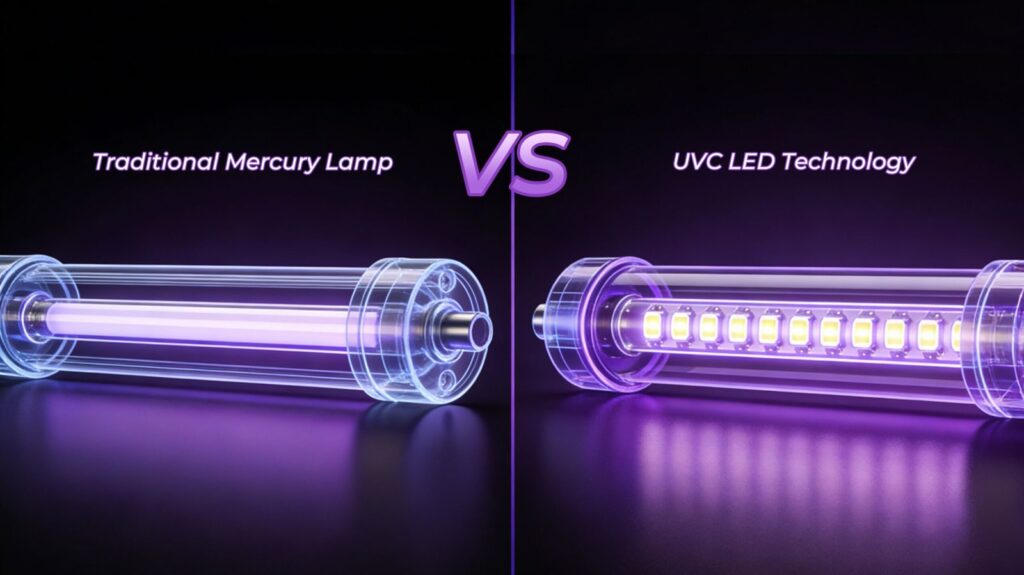
Navigating technology options can be daunting. When analyzing UV curing solutions, it’s essential to discern the differences between UV LED and traditional UV lamps. Each variant has strengths tailored to distinct needs.
- UV LED: Energy-efficient, durable, and suitable for heat-sensitive materials.
- Traditional UV lamps: Typically less costly, offering higher output and proven effectiveness for larger-scale operations.
- Application needs: The choice hinges largely on the specifics of production and particular client demands.
Selecting the correct option is crucial for maximizing production effectiveness. Some businesses have transitioned seamlessly to UV LEDs due to energy-saving benefits.
Conversely, others maintain traditional lamps because of their reliability and established history of success. Understanding which technology aligns with a production line can distinguish between thriving and merely keeping up.
Spot Curing vs. Area Curing: Choosing the Appropriate Method
Beyond selecting UV sources, comprehending application methods is next. Spot curing and area curing each present their own unique benefits, offering solutions for a variety of tasks.
Spot curing is ideal for precision components, such as automotive parts, while area curing suits broader applications like assembly lines or large surfaces.
- Efficiency: Spot curing generally consumes less energy per unit.
- Flexibility: Area curing can process numerous items at once.
- Application specificity: Spot curing addresses intricate designs, while area curing covers extensive surfaces swiftly.
Timing the application of these methods can lead to enhanced productivity and cost savings. Each technique equips manufacturers with solutions to tackle a range of production challenges efficiently.
Real-World Examples: Success Stories with UV Curing
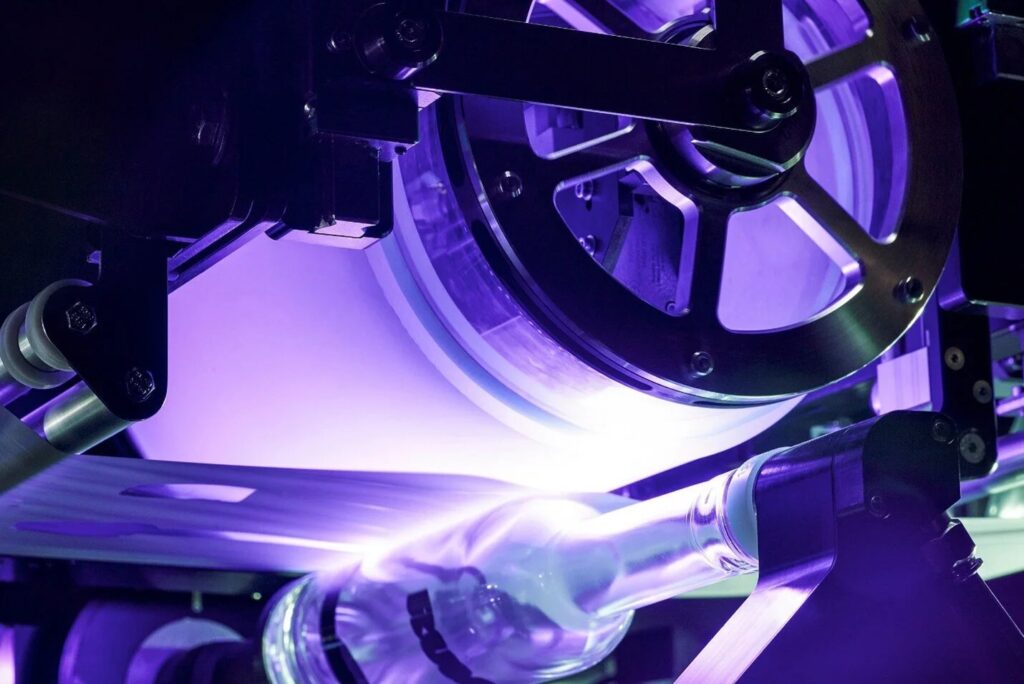
Case Studies: Industries Thriving with UV Curing Solutions
Demonstrable outcomes speak volumes. Various industries have adopted UV curing, revealing success stories filled with substantial benefits.
One company in the cosmetic industry revamped its packaging processes using UV coatings, resulting in striking, durable labels that safeguarded brand integrity.
Another instance emerges from the automotive sector, where manufacturers integrated UV curing to improve adhesion on high-wear parts.
The return? A remarkable decline in warranty claims related to product failure, clearly showcasing a strong ROI.
“Success is all about making smart choices – UV curing can be that choice.”
Research continually shows that UV curing powerfully boosts production efficiency across a multitude of sectors.
Client Testimonials: Powerful Changes in Production Processes
Stakeholders share their considerable experiences with UV curing. One leader in packaging noted, “Switching to UV cured inks has transformed our print quality
It dries instantly, allowing us to run shorter runs without sacrificing quality.” Clients often report how the technology has significantly shortened their go-to-market times.
The ripple effects of these developments reshape entire production landscapes. Another manufacturer remarked, “Incorporating UV curing gave us the freedom to diversify our product line.
Now, we can produce smaller batches flexibly while preserving high quality.” These testimonials highlight the numerous ways in which UV curing positively influences manufacturing operations, ultimately enhancing productivity.
Professionals increasingly endorse UV curing as a valuable solution. By improving efficiency, elevating quality control, and offering varied technological options, businesses find themselves ideally prepared to confront market challenges.
As these success stories show, integrating UV curing signifies not just an upgrade—it’s a strategic move toward future growth.