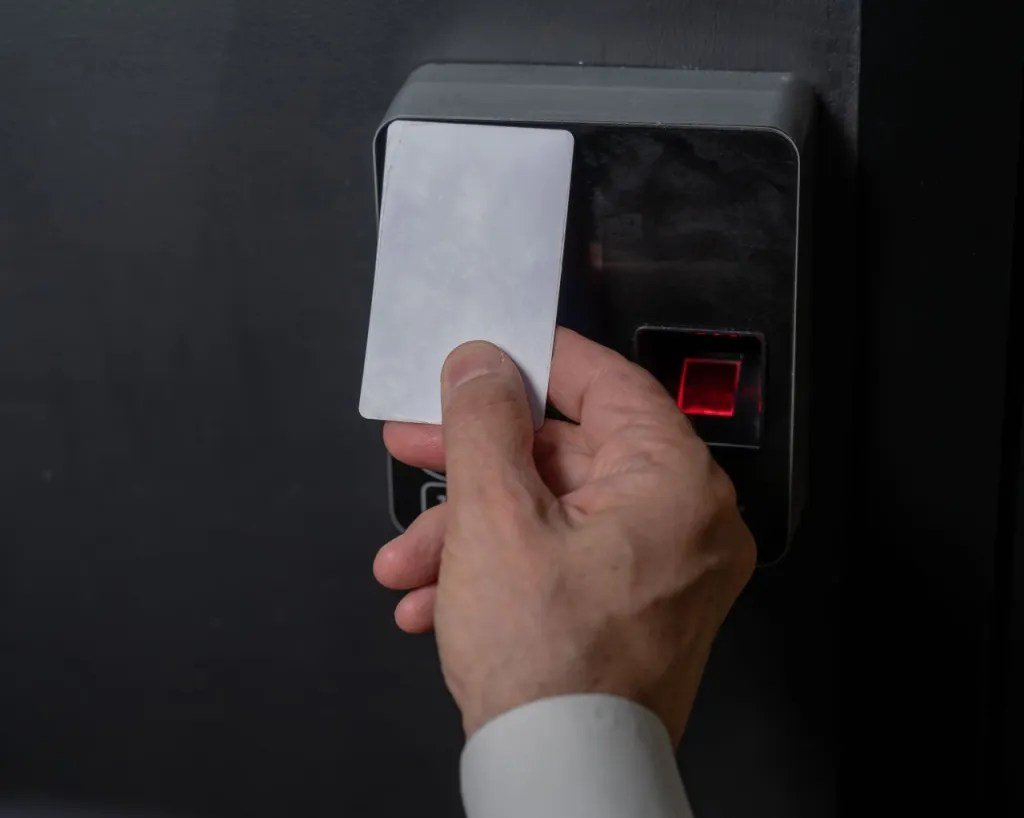
Proximity cards leverage radio frequency identification (RFID) technology, allowing communication with access readers seamlessly and without physical contact, thus offering quick and efficient access.
Enhanced security is a hallmark of these cards, featuring unique user identification and dual-factor authentication. This helps organizations monitor access carefully and reduce the risk of unauthorized entry.
In busy environments, proximity technology significantly cuts down on wait times. Users can gain access almost instantly without needing any manual input.
Integrating proximity cards into current access systems is often straightforward, involving minimal disruptions and quicker adaptation for staff.
Long-term cost savings emerge from the use of proximity cards, stemming from decreased labor and maintenance requirements, as these systems demand less management and are notably more durable than traditional locking mechanisms.
These card systems are designed to be scalable, making adaptations to access control straightforward as organizations grow, bypassing the complications of inflexible traditional methods.
Proximity cards show clear advantages over traditional methods like keypads and fobs, as they lower the risk of code sharing and decrease the chances of loss, thereby enhancing overall security.
Maximizing Security: Why Proximity Cards are the Frontline Defense in Access Control
The Mechanism Behind Proximity Cards: How They Operate in Real-Time
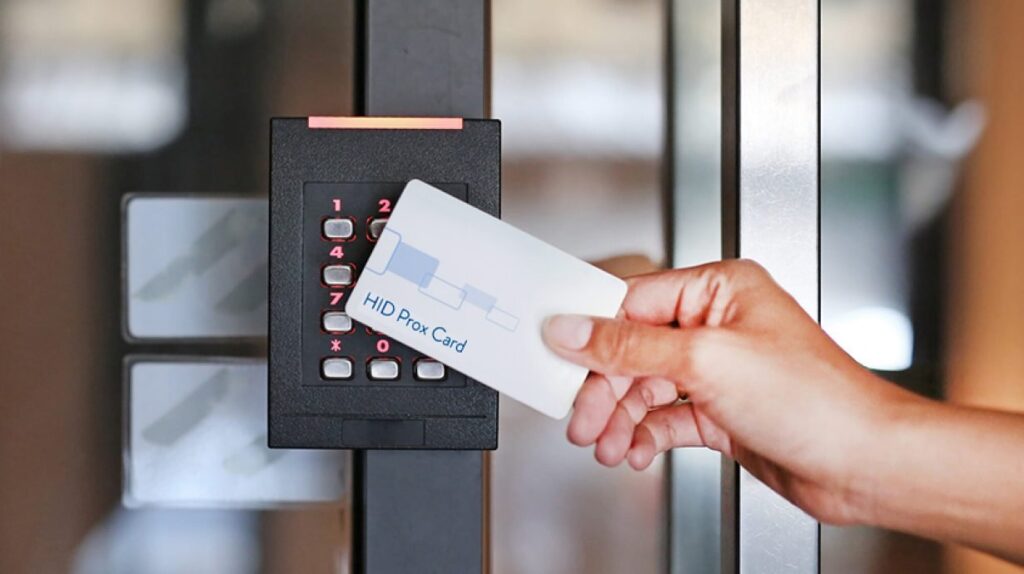
A solid foundation is vital for effective access control systems, with proximity cards playing a crucial role. Operating on a simple yet efficient principle, these cards utilize RFID technology to communicate with a reader without physical contact.
By presenting a proximity card near a reader, the card sends a signal. The reader authenticates the credential almost instantaneously, swinging the door open—no swiping or typing required. Just hold the card, and access is granted.
This process occurs within milliseconds. Even more impressive are the layers of security these systems provide. Many proximity cards incorporate encryption features, which are essential for protecting sensitive data from vulnerabilities.
Fortunately, modern cards prioritize this protection, making them difficult to clone. This is why more organizations are transitioning to these models; they are not merely hassle-free; they’re a robust defense against unauthorized access.
Boosting Security Layers with Proximity Card Technology
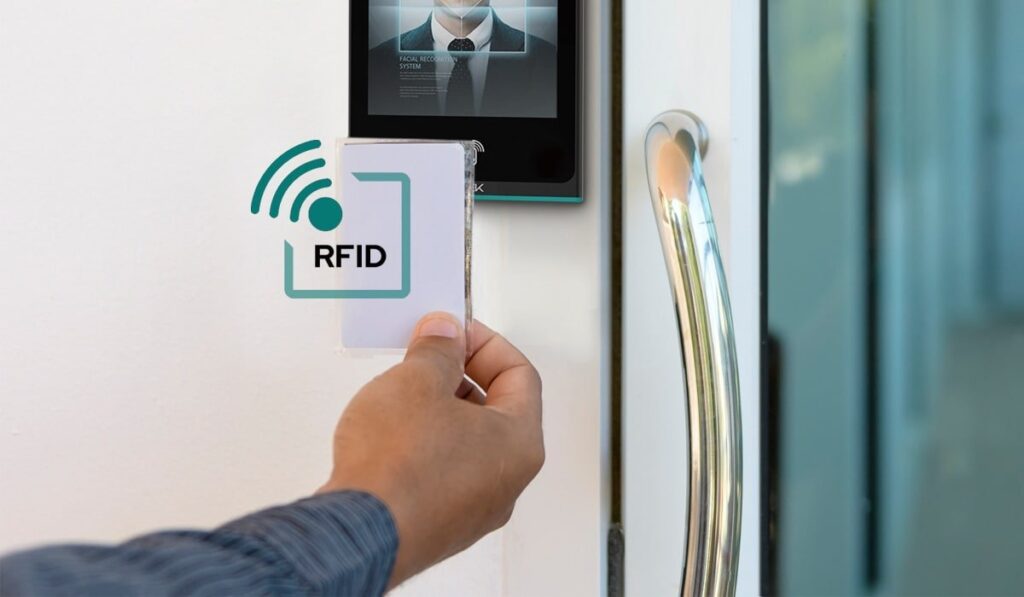
Professionals often emphasize how proximity cards introduce multiple layers of security. To start, each card has a unique identification tied to its user. This capability allows organizations to trace who enters specific areas at specific times easily.
If a security incident occurs, tracking movements is much simpler. Additionally, many businesses enhance security with dual-factor authentication.
This step requires users to present their card and enter a PIN, for example, before gaining access—an easy yet effective layer of security that can catch unauthorized visitors off guard.
However, it’s important to note that these measures aren’t just about keeping intruders out. They safeguard sensitive data and assets, reduce potential liabilities, and cultivate a secure work environment. In today’s climate, where data breaches are all too common, organizations can’t afford to dismiss such protection.
Streamlined Access Management: The Efficiency of Proximity Cards
Cut Down Wait Times: Instant Access with Proximity Technology
Time, after all, is invaluable for any organization. Here’s where proximity technology truly excels. It significantly reduces wait times, with a typical system able to grant access in less time than it takes to blink.
Users simply approach the reader, making entries quick and efficient—no fumbling with keys or codes required. This instant access not only improves flow in busy locales but also boosts user satisfaction.
Imagine a busy office building at morning rush hour—people often queue to swipe badges or enter codes. What if, instead, they could just wave their proximity cards at the reader?
The traffic pattern would transform in mere seconds. This surge in efficiency leads to ripple effects: improved morale, reduced frustration among employees, and greater overall productivity.
Integrating Proximity Cards into Existing Access Systems

When upgrading access control systems, integration is a crucial consideration. Implementing proximity cards is often easier than many anticipate.
Many modern systems are designed with compatibility in mind, allowing the integration of these cards with minimal disruption.
This compatibility can be especially beneficial for organizations that have already invested significantly in their existing infrastructure.
Moreover, training staff to use the new system typically goes quickly. Users only need to grasp the basics of operating the card. With intuitive designs, employees often abandon traditional methods faster than expected.
Cost-Effective Solutions: How Proximity Cards Save Resources Over Time
Evaluating Long-term Savings from Reduced Labor and Maintenance
While investing in proximity cards may appear costly at first glance, the long-term savings are substantial. One major advantage is the reduction in labor costs—fewer personnel are required to manage, inspect, or monitor traditional physical keys. Consequently, organizations often find themselves with a leaner operational model.
Maintenance costs also stand out. Traditional locking systems demand regular upkeep and occasional replacements. In contrast, proximity systems offer greater durability.
This resilience translates into fewer ongoing expenses, enabling organizations to allocate those saved resources to other projects or upgrades. Truly a wise investment.
Scalability of Proximity Systems: Adapting to Business Growth
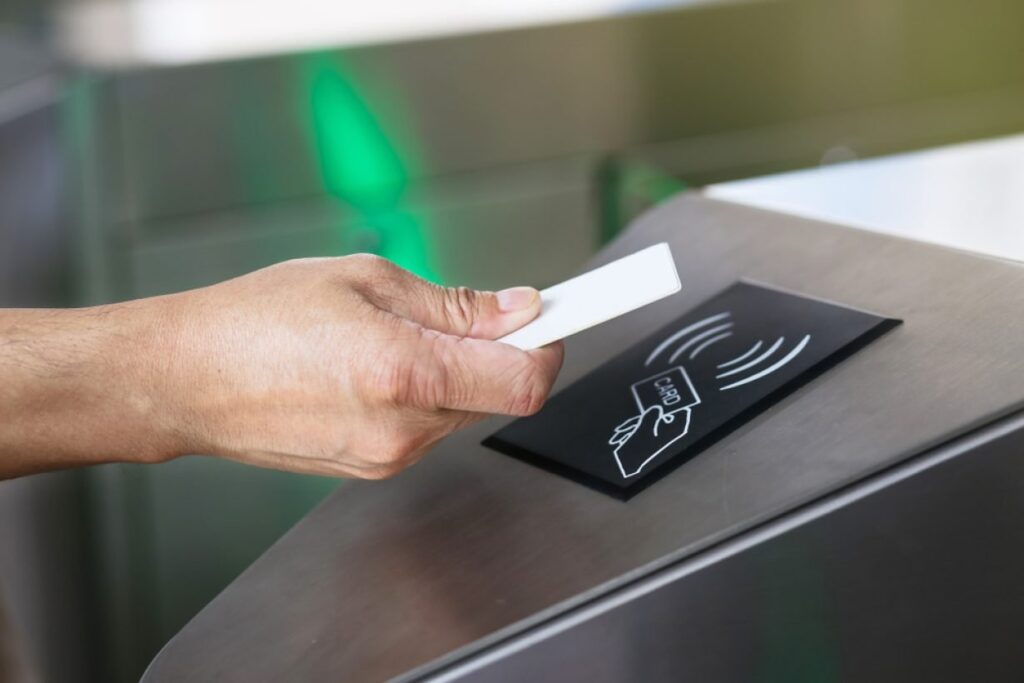
As organizations expand, their access control needs evolve, and here’s where proximity cards demonstrate their value. Businesses can easily add more cards or adjust access rights without hassle.
They don’t face rigid systems that stifle growth. When a new employee arrives, integrating them is as simple as issuing a card. And if someone departs? No need to worry about collecting keys—deactivating a card is a matter of seconds.
This kind of flexibility proves crucial in today’s fast-paced environment. Organizations can expand their physical locations or restructure their teams without a hitch. Everything aligns smoothly to meet changing demands, eliminating stress.
Proximity Cards vs. Traditional Access Methods: A Comparative Analysis
Evaluating Features: Why Proximity Cards Outperform Keypads and Fobs
When weighing proximity cards against traditional methods, the benefits become immediately clear. Keypads can often fall prey to code sharing, as users may unknowingly share their PINs with colleagues, creating security gaps. In contrast, proximity cards maintain individuality—one card per user greatly diminishes the chances of unauthorized access.
Fobs, while convenient, can also be easily lost. A quick drop in the parking lot, and that vital security token is gone. Conversely, cards tend to be bulkier, which makes them less likely to vanish from pockets, bags, or wallets. Many also come with cardholders or lanyards that keep them handy, enhancing practicality.
Real-World Use Cases: Success Stories of Proximity Card Implementations
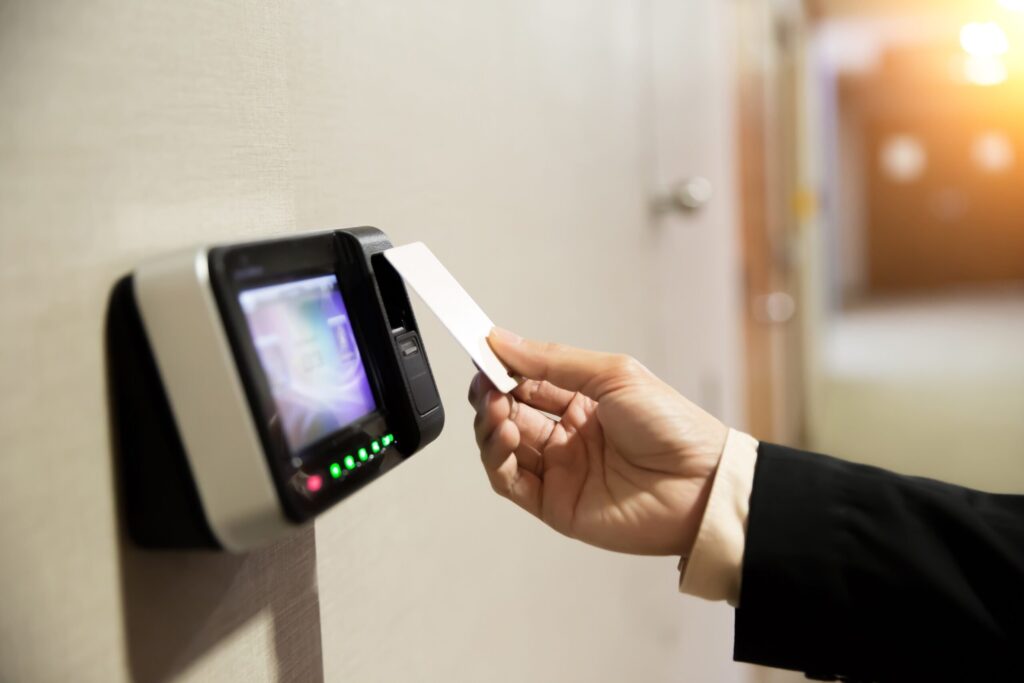
Examining various organizations that utilize proximity cards reveals their effectiveness. One prominent healthcare facility adopted a proximity card system, which significantly bolstered patient security and staff accountability.
Patients felt reassured knowing that only authorized personnel could access sensitive areas, leading to a marked decrease in breaches and overall improvement in staff vigilance.
Similarly, a technology firm experienced the advantages of a proximity card system during a major office relocation. Before implementing the new system, they faced numerous challenges with lost keys and shared access codes. Post-transition, they noted an 80% reduction in access-related incidents. Employees valued the ease of access while maintaining stringent security measures.
Organizations that integrate proximity card technology often mention smoother operations and an uptick in employee satisfaction.
Understanding the potential of proximity cards in access control systems paves the way for efficiency, security, and cost savings. As more organizations begin to recognize this potential, the conversation shifts from “Why should we adopt this?” to “When can we implement these solutions?”
This shift realigns security initiatives with organizational growth and user satisfaction. Consequently, the future looks promising for organizations willing to embrace this contemporary approach.