
Dental crowns offer a robust solution for damaged teeth, revitalizing function and stability while addressing potential future complications.
These crowns can also elevate the aesthetics of a smile significantly, enhancing self-esteem and influencing both personal and professional relationships in positive ways.
Ceramic crowns are particularly suitable for front teeth due to their life-like appearance, whereas metal crowns deliver exceptional durability suited for the back teeth.
Zirconia crowns merge strength with aesthetics, and advancements in CAD/CAM technology facilitate precise fitting and faster crown production.
The process of receiving a dental crown typically involves several steps: tooth assessment, shaping, and possibly even receiving crowns on the same day thanks to modern techniques.
Aftercare is crucial; maintaining oral hygiene and scheduling regular dental checkups are essential to extend the lifespan and functionality of dental crowns.
Although the upfront investment in dental crowns can be considerable, this option may prevent the need for more costly procedures later on, ultimately enhancing overall quality of life.
Why Dental Crowns are a Big Deal for Smile Restoration

How Crowns Provide Durable Solutions for Tooth Damage
In modern dentistry, dental crowns are often viewed as one of the most reliable solutions. They act as protective covers for damaged teeth, serving as a surgical response to various types of decay or trauma. When a tooth incurs serious damage from cavities, fractures, or wear, crowns become essential. Clients frequently find a resurgence in function and stability that they might have thought lost. However, it’s important to note: not all crowns are equal, and selecting the appropriate type can lead to years of enhanced oral health and comfort.
The durability of these crowns is noteworthy. Constructed from high-performance materials, they can withstand chewing forces without succumbing to cracks. This durability not only restores functionality but also significantly reduces the likelihood of future complications. Ultimately, crowns serve as a long-term solution that many clients cannot overlook.
Enhancing Aesthetics: The Cosmetic Benefits of Dental Crowns
The cosmetic enhancement from dental crowns can be transformative. Individuals dealing with discolored or irregularly shaped teeth can find their smiles restored to a sense of balance. It’s not merely about looks; this transformation is pivotal for bolstering self-esteem. A confident smile can ripple positively through various life aspects, including personal interactions and work opportunities.
Dental professionals often recommend crowns to effectively tackle a wide range of cosmetic issues. Beyond improving appearances, these crowns can create a natural-looking restoration that meshes seamlessly with neighboring teeth.
“The right dental crown can change how a person feels about smiling altogether.” – Dental Expert
Understanding the Different Types of Dental Crowns Available
Ceramic vs. Metal: Which Crown is Right for You?
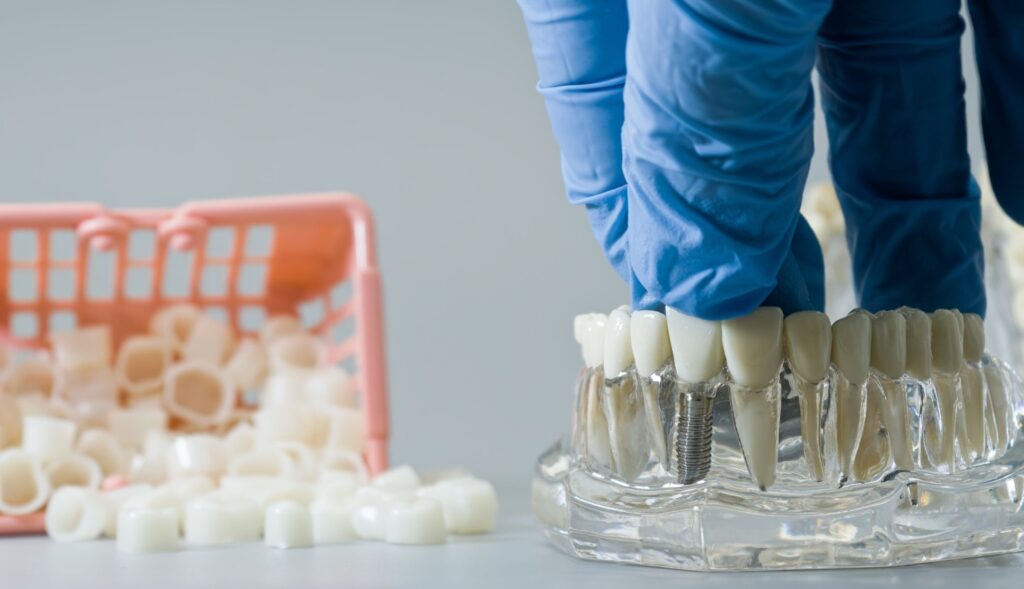
The choice between ceramic and metal crowns can perplex many clients. However, grasping the subtleties inherent in these materials can help clarify the options. For example, ceramic crowns are visually appealing and blend beautifully with natural teeth, making them exceptionally favored for front teeth restorations. Their realistic look is hard to beat.
Conversely, metal crowns excel in durability. Crafted from materials like gold and various alloys, they withstand substantial chewing forces without compromising. Many professionals suggest they’re best for back teeth, where the pressure levels are highest. When weighing these options, clients should consider factors such as visibility, functionality, and even personal aesthetic preference. Each type carries its own strengths and can meet specific needs effectively.
- Ceramic Crowns: Optimal for front teeth; remarkable aesthetics.
- Metal Crowns: Extremely durable, ideal for back teeth.
- Porcelain-Fused-to-Metal (PFM): Merges strength and aesthetic appeal, a versatile choice.
Innovative Materials Making Waves in Dental Crown Technology
In the ever-evolving field of dentistry, fresh materials keep emerging, continually enhancing the effectiveness of dental crowns. Zirconia crowns represent one such advancement, delivering both strength and notable aesthetics. Often deemed a hybrid option, they address both durability and appearance, catering to discerning clients.
Some dental practices even embrace crowns that employ cutting-edge CAD/CAM technology, permitting precise fittings and faster production schedules. This innovation results in crowns that fit perfectly, thereby vastly improving comfort and effectiveness. Such developments highlight a significant truth: as materials evolve, so do the benefits of dental crowns in Pleasant Grove Utah. Awareness of these choices empowers clients to make well-informed selections tailored to their unique situations.
- Zirconia Crowns: Combines durability and beauty, rising in popularity.
- CAD/CAM Technology: Allows for precision fitting and quick production.
- Biocompatible Options: Ensures safety and comfort, enhancing satisfaction.
What to Expect During the Dental Crown Process
The Step-by-Step Journey to Achieving a Perfect Fit
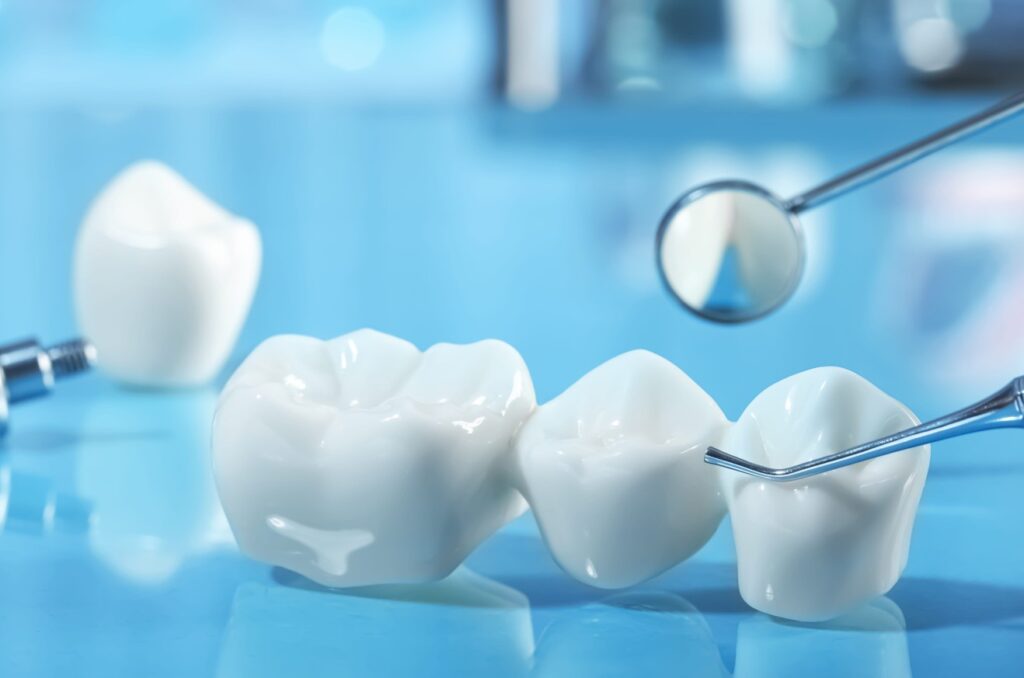
The path to getting a dental crown typically begins with an examination. Dental professionals evaluate the tooth’s condition, recommending crowns when the damage warrants it. Following this assessment, the tooth is reshaped to provide a sturdy foundation, which may involve resizing. While that sounds intimidating, clients generally find the process to be quite manageable.
Next, impressions are taken to ensure the crown fits properly and comfortably. Some dental offices even offer same-day crowns due to technological advancements, which many clients find advantageous. This means clients can leave with their new crowns in just one visit. Still, despite any initial discomfort that may occur, the long-term benefits far eclipse any momentary inconvenience.
“A well-fitted crown doesn’t just restore a tooth; it revives confidence.” – Oral Health Specialist
Aftercare Tips for Longevity of Your Dental Crowns
The journey doesn’t end once a dental crown is placed. Appropriate aftercare is vital for ensuring that the crown lasts and continues to function effectively. Clients typically receive specific post-procedure instructions, but some general guidelines can be immensely beneficial for maintaining oral health.
- Maintain Oral Hygiene: Regular brushing and flossing to protect surrounding teeth and gums.
- Regular Dental Checkups: Professional cleanings can enhance the lifespan of crowns.
- Avoid Hard Foods: Exercise caution with foods that could potentially damage the crown.
These straightforward yet impactful practices can yield a rewarding investment in one’s smile. Ignoring these guidelines, on the other hand, could unnecessarily shorten the lifespan of a dental crown.
Exploring the Cost-Effectiveness of Dental Crowns
Investing in Long-Term Oral Health: Financial Benefits
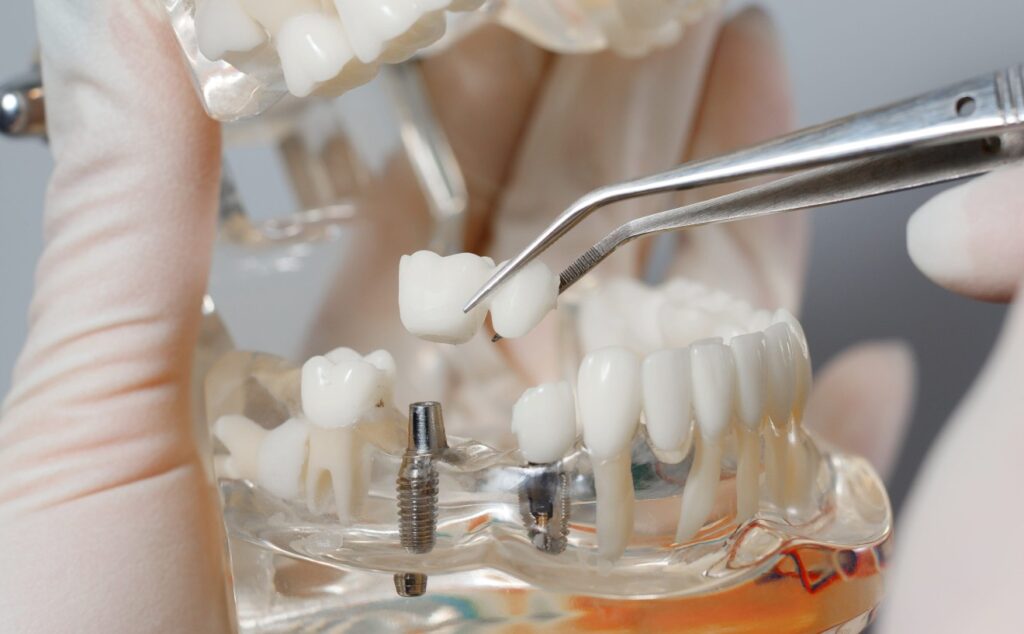
The cost associated with dental crowns often becomes a focal point in discussions among clients. While the initial cost may raise eyebrows, it’s important to evaluate this figure against potential long-term savings. Dental crowns can help avert further decay and possible extractions, which can significantly decrease financial burdens associated with more complicated procedures. Tackling issues early often proves to be far more cost-effective in the long haul.
Moreover, improved function brings about a better quality of life. Being able to eat, speak, and smile without worry truly deserves attention. In simple terms, the financial benefits extend well beyond initial investments, creating a compelling argument for the value of dental crowns.
- Preventive Care: Addressing issues early can lead to substantial savings later.
- Durability: Most crowns last several years, decreasing the need for replacements.
- Enhanced Quality of Life: Greater enjoyment of food, speech, and social interactions.
Understanding Dental Insurance and Crowns in Pleasant Grove
Navigating dental insurance can often feel overwhelming. Yet, grasping how dental crowns in Pleasant Grove Utah fit within insurance frameworks can simplify matters for clients. Many insurance policies cover a significant portion of crown costs, particularly when they are deemed medically necessary. Understanding the specifics of a policy can provide clarity, assisting clients in making informed financial decisions.
It’s beneficial for clients to liaise with their dental offices regarding coverage specifics. Dental professionals are usually adept at aiding clients in maximizing their insurance options. Taking a proactive approach can prove to be vital for effective financial planning.
In the end, dental crowns offer not just a mechanism for smile restoration, but also a thoughtful solution for long-term health and vitality.
FAQ
What are the indications for getting a dental crown?
Dental crowns are generally advised for teeth that have sustained significant damage, whether from decay, trauma, or wear. They can also be used to cover discolored teeth, support large fillings, or as part of a dental bridge, thus proving to be versatile in restorative dentistry.
How long does the process of getting a dental crown usually take?
The duration for receiving a dental crown can differ. Traditional crowns typically need two visits; one for assessment and shaping, and another for placement after the crown is crafted. However, innovative techniques such as same-day crowns allow some practices to finish the entire process within just a few hours.
Are there alternatives to dental crowns?
Yes, there are multiple alternatives to crowns, depending on the case at hand. Minor damage might be addressed with dental fillings, while veneers can enhance the aesthetics of front teeth without full coverage. For seriously damaged teeth, root canal therapy may help preserve the tooth without necessitating a crown.
What materials are commonly used in dental crowns?
Various materials are used for dental crowns, including ceramic, resin, metal, and porcelain-fused-to-metal. Each has its unique benefits: ceramic crowns are great for their aesthetics, metal crowns offer exceptional durability, and porcelain-fused-to-metal combines both strength and beauty.
Can people with dental crowns still get cavities?
Indeed, individuals with dental crowns can still develop cavities, even though the crown itself won’t decay. However, the tooth underneath the crown is still susceptible to cavities if proper oral hygiene is neglected. Thus, regular dental checkups and good oral care practices remain critical.
How can one choose the right dentist for crown placement?
Choosing the right dentist involves assessing their experience, reviews, and comfort with various crown materials and techniques. Clients should look for professionals who provide detailed consultations and communicate clearly about the options and procedures regarding crowns.
What is the lifespan of dental crowns?
The longevity of dental crowns varies widely based on materials used and aftercare practices. Generally, with proper care, metal or porcelain-fused-to-metal crowns might endure 10-15 years, while ceramic and zirconia crowns could last longer, influenced by individual habits and oral health.
How can one ensure a dental crown lasts longer?
To extend the lifespan of a dental crown, maintaining excellent oral hygiene is vital. This includes routine brushing, flossing, and regular dental visits. Staying away from hard foods and habits, such as teeth grinding, also play a significant role in preserving the crown’s integrity over time.
Useful Resources
- American Dental Association– Comprehensive resources about dental care and treatments.
- org– Educational site from the American Dental Association focused on oral health.
- National Institutes of Health (NIH)– Research and information on health topics, including dental care.
- Centers for Disease Control and Prevention (CDC)– Guidance on oral health and hygiene best practices.
- American Academy of Cosmetic Dentistry– Details on cosmetic dental procedures, including crowns.
- com– Resources and courses on various dental topics and treatments.
- North American Dental Group– Insight about dental services, including crowns and general dental health.
- Dentistry Today– A publication showcasing the latest in dental technology and materials.
- International Academy of Oral Medicine and Toxicology– Focused on the health effects of dental materials and practices.