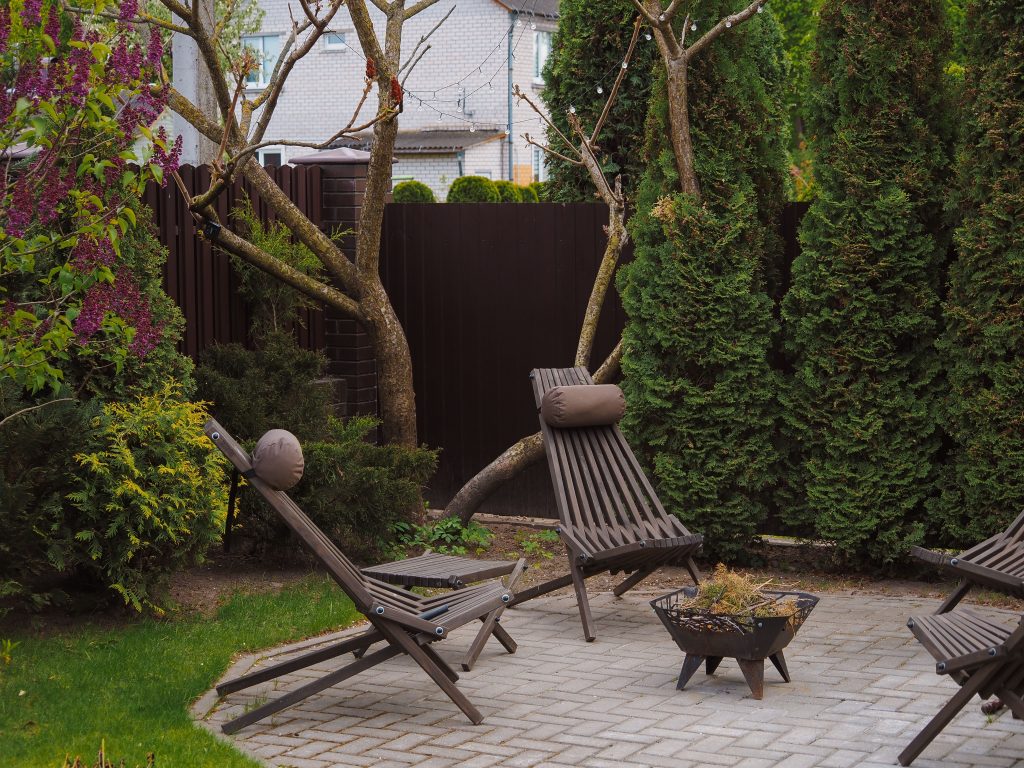
The best outdoor improvements are rarely the dramatic ones. A small change that makes it easier to sit down, find the watering can, eat dinner, or move safely after dark can improve the way a space feels every day.
That might mean adding a narrow shelf for herbs, replacing a harsh security light with softer layered lighting, or choosing a surface that is easier to live with. When comparing options for a patio or balcony, it is worth looking at materials such as composite decking alongside the practical questions: how often will it need cleaning, does it stay comfortable in direct sun, and will it suit the existing structure?
This guide focuses on small, manageable improvements rather than a full garden redesign. The goal is not to make an outdoor space look untouched by real life. It is to make real life work better in it.
Table of Contents
- Start with the routine, not the style
- Make sitting outside genuinely comfortable
- Use lighting to extend the useful part of the day
- Add greenery without creating a daily chore
- Improve surfaces, storage, and movement
- A simple improvement-planning table
- A sensible weekend plan
- Frequently Asked Questions
Start with the routine, not the style
Before buying anything, notice what stops you from using the space. Is the chair always damp? Is there nowhere to put a mug? Does the balcony become unbearably hot at midday? Do you avoid the garden after sunset because the path disappears into shadow?
These are not minor complaints. They are clues about where a small improvement will have the largest return in daily enjoyment. A useful audit can be as simple as writing down the moments when the space is almost useful, but not quite.
- Morning: Is there somewhere comfortable to sit with a drink?
- Afternoon: Is there shade, or does the space become too hot to use?
- Evening: Can people see steps, furniture, and doorways without glare?
- Maintenance: Are tools, cushions, and watering equipment easy to reach?
My preference is to solve one of these friction points before adding decoration. A decorative object can make a space look finished, but a hook, light, shade panel, or dry storage box may be the thing that actually gets used.
Make sitting outside genuinely comfortable
Outdoor seating often fails for ordinary reasons: it is too exposed to sun, too low, too difficult to keep dry, or positioned where people cannot put down a plate. Comfort is a system, not just a cushion.
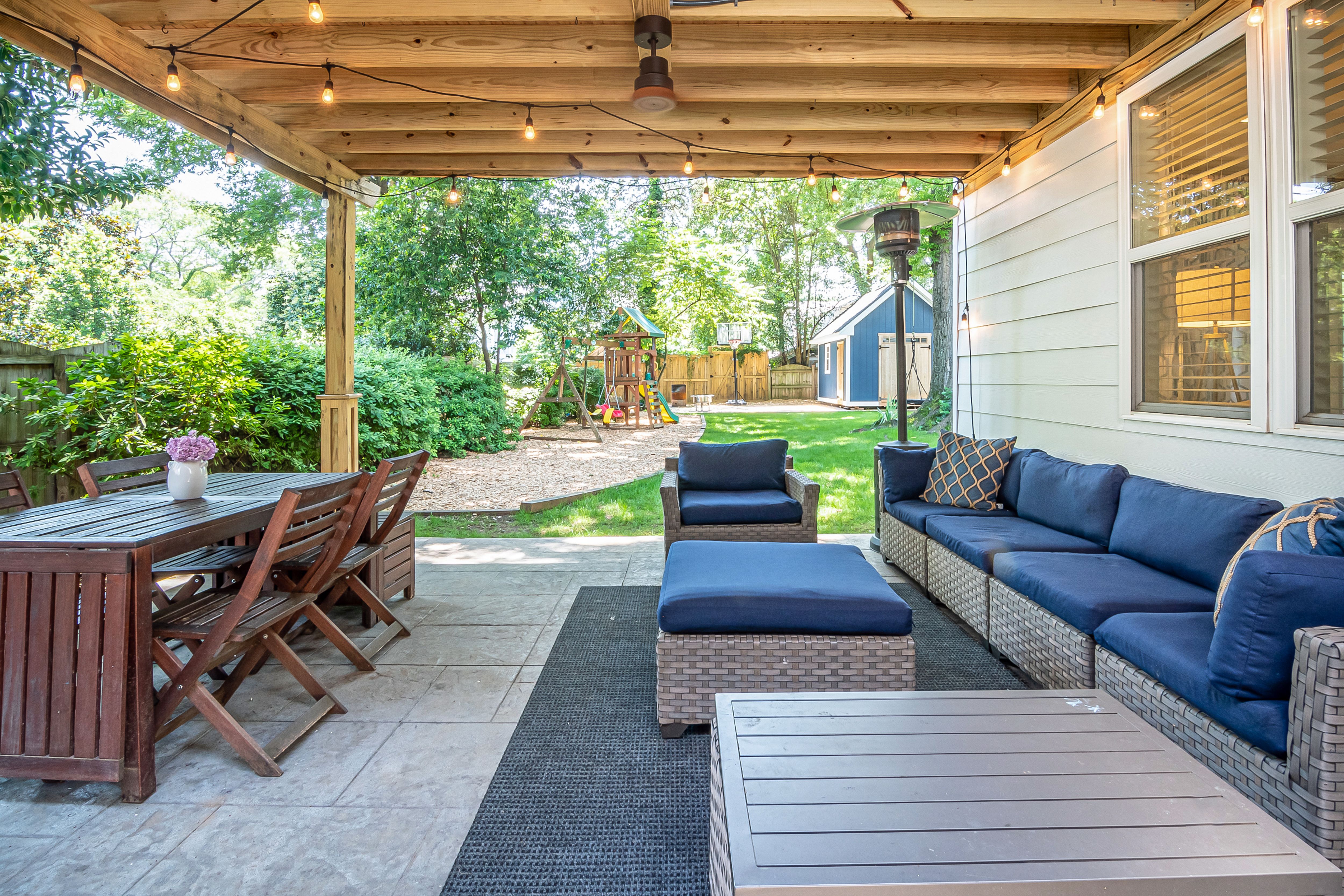
Start by improving the place where people naturally pause. A small side table can matter more than another chair. It gives phones, books, food, and drinks a landing place, while also reducing the temptation to balance things on steps or windowsills.
For shade, choose the least complicated solution that matches the space. A cantilever umbrella, a retractable shade, a pergola panel, or even a strategically placed outdoor curtain can make a seating area usable for longer. Keep the arrangement adjustable where possible; the most comfortable position in the morning may be completely wrong by late afternoon.
Textiles help, but they should not turn into another obligation. Use removable cushions with a place to dry, and store them in a ventilated box rather than sealing damp fabric inside a container. If the seating is used often, a washable throw or seat pad may be more practical than a collection of delicate accessories.
Use lighting to extend the useful part of the day
Outdoor lighting should answer two different needs: helping people move around safely and making the space pleasant to occupy. One bright fixture mounted near the door rarely does both jobs well.
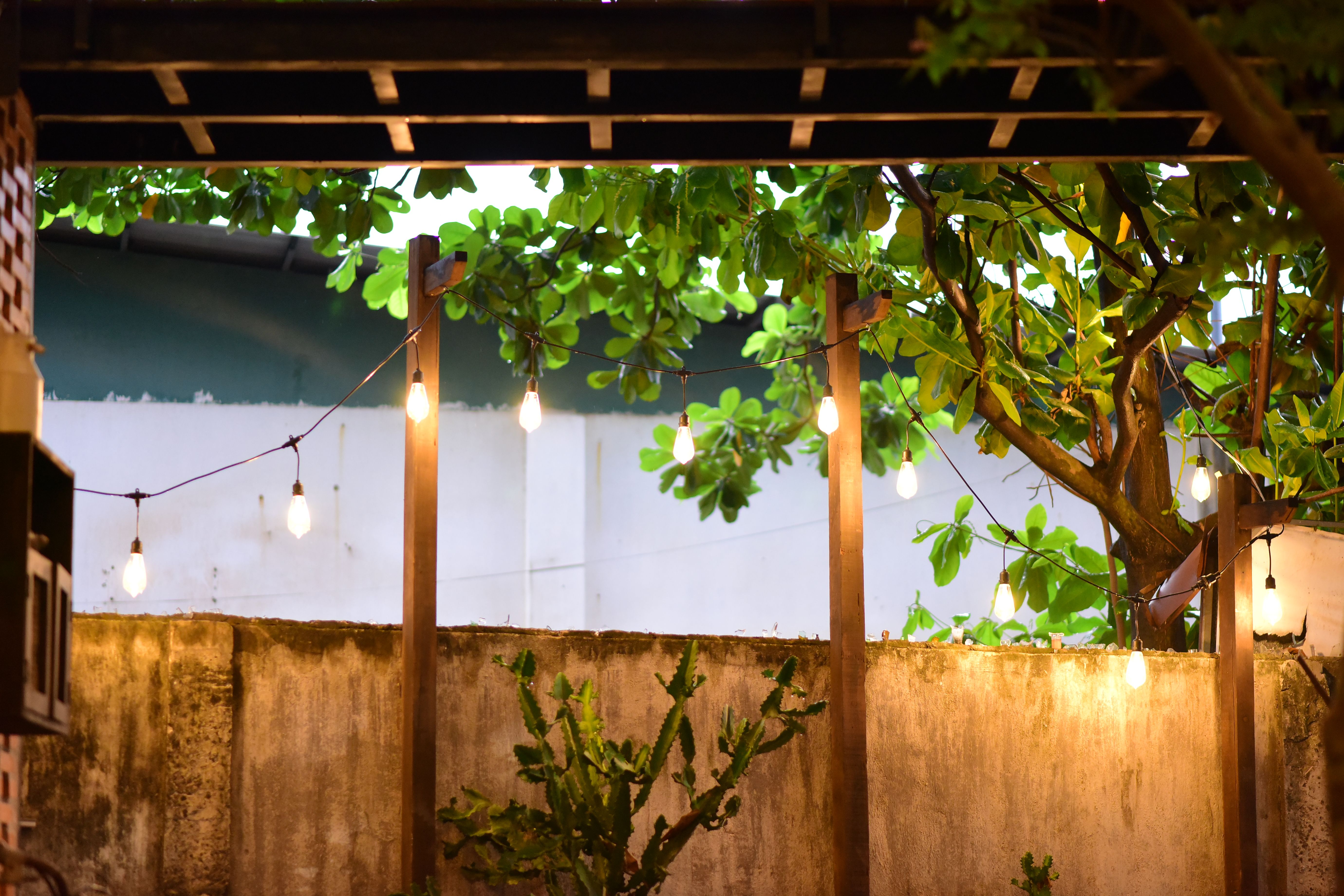
Think in layers:
- Task light: enough light near steps, gates, cooking areas, and door handles to make actions clear.
- Ambient light: a soft general glow from string lights, lanterns, or wall fixtures.
- Accent light: a restrained highlight for a tree, planter, textured wall, or architectural detail.
LEDs are often a sensible starting point, but efficiency is not the only consideration. The US Department of Energy notes that exterior lighting performance also depends on controls, distribution, glare, and how well light is directed toward the intended area. In a small garden, a timer, dimmer, or motion sensor may improve the experience more than simply adding a brighter bulb. The Department of Energy’s exterior-lighting guidance is a useful reference when comparing fixtures and controls.
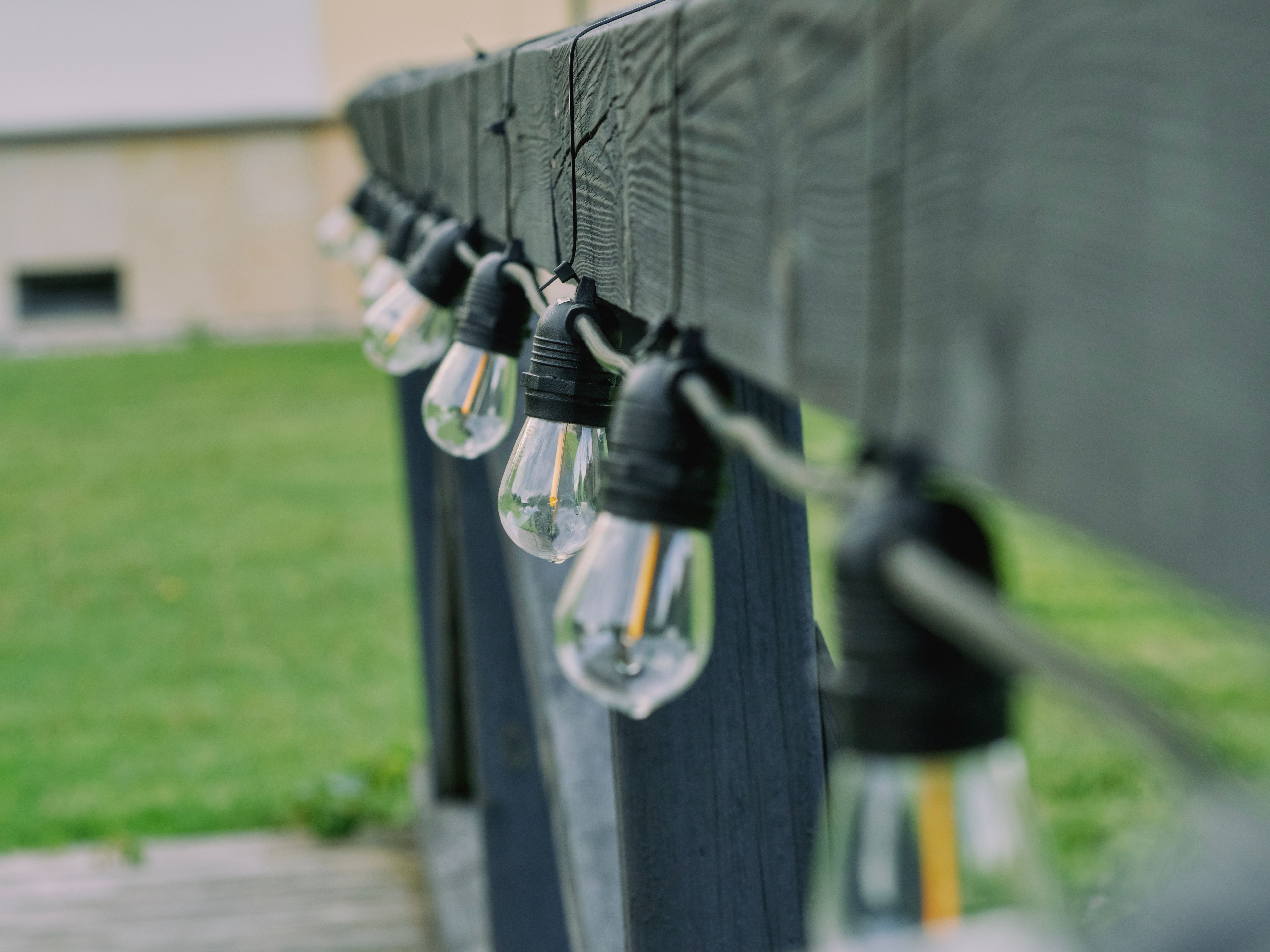
For a small space, avoid aiming lights directly at eye level or toward neighboring windows. Use shielded fixtures where possible, keep cables secured away from walking routes, and choose products intended for outdoor use. The nicest lighting scheme is the one people notice as atmosphere rather than as glare.
Add greenery without creating a daily chore
Plants can make a balcony, terrace, or narrow side path feel more alive, but the wrong planting plan creates a collection of thirsty pots that need attention at exactly the wrong time. Match plants to the conditions you already have rather than trying to force a particular look.
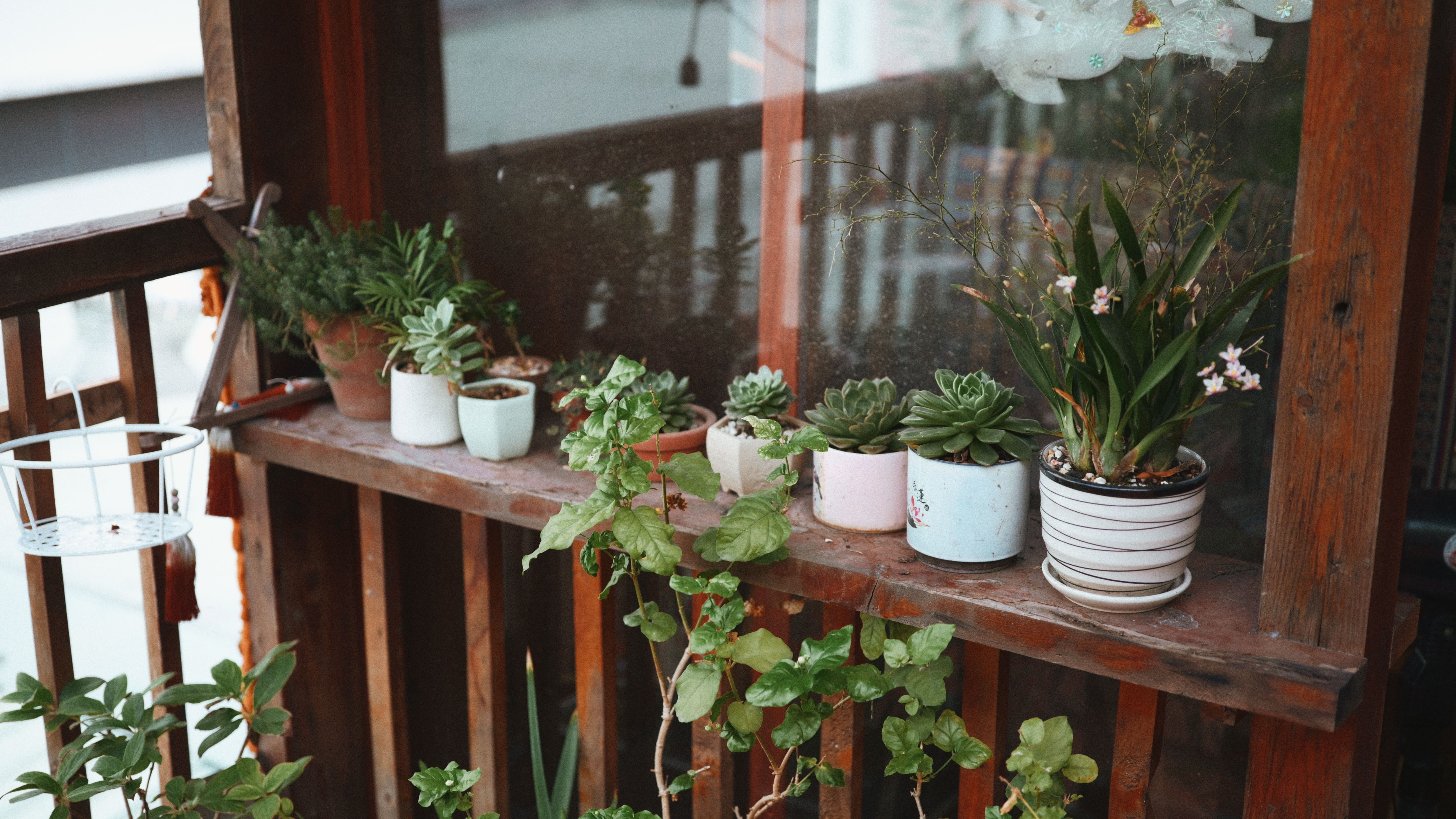
Sun exposure, wind, pot size, and access to water matter more than the label on a trend board. A sheltered balcony may suit tender plants but still dry quickly if it receives reflected heat from a wall. A shaded corner may need less frequent watering, while a windy upper-level space can dry containers rapidly.
The Royal Horticultural Society emphasizes a detail that is easy to overlook: containers need effective drainage holes. It also notes that larger pots generally dry out more slowly than small ones. Those two points make a strong case for fewer, roomier containers rather than dozens of tiny decorative pots. The RHS guide to growing plants in containers explains the trade-offs among pot materials, sizes, and aftercare.
For lower-maintenance planting, consider:
- Herbs that you will actually cut and use.
- Plants suited to the site’s real light level, not its imagined one.
- Containers with a stable base, especially in exposed positions.
- A saucer or tray where appropriate, emptied when standing water becomes a problem.
- A watering point nearby, so care does not require carrying a full can across the house.
Grouping pots by watering needs is an underrated improvement. Plants that enjoy similar conditions can share a zone, while a dry-loving group can be placed farther from the tap. It reduces guesswork and makes the whole arrangement easier to maintain.
Improve surfaces, storage, and movement
Small outdoor spaces often feel untidy because they lack a place for the objects that make them useful. A narrow weather-resistant cabinet, a wall-mounted tool rail, or hooks beside the back door can remove a surprising amount of visual and practical clutter.
Store the items that are used most often closest to the point of use:
- Keep hand tools near planters.
- Keep cushions near seating, but in a dry, ventilated location.
- Keep a small tray or basket near the dining area for candles, matches, and serving pieces.
- Keep hoses and watering cans off the main route through the garden.
Then inspect the floor. Loose mats, cracked paving, uneven thresholds, and trailing cables make a space feel more difficult than it needs to be. A clear route from the door to the seating area is an improvement people experience every time they go outside.
For patios and decks, maintenance access matters as much as appearance. Leave enough room to sweep, inspect edges, move furniture, and reach drains. Covering every available inch with furniture and pots may look abundant in a photograph, but it makes routine care harder and can shorten the life of the surfaces beneath.
A simple improvement-planning table
The table below is a planning tool rather than a shopping list. It helps connect a problem with a proportionate response before you commit money, drilling, or a full weekend.
| Everyday problem | Small improvement to try | What to check first |
|---|---|---|
| The space is attractive but rarely used | Add one comfortable seat, a small table, and shade | Where the sun and wind move during the day |
| The garden becomes difficult after sunset | Combine low-level route lighting with softer ambient lights | Steps, glare, cable routes, and outdoor ratings |
| Pots keep drying out or dying | Group larger containers by similar watering needs | Drainage, wind exposure, and actual light levels |
| Outdoor objects migrate indoors | Add a compact storage point near the door or seating | Ventilation, rain exposure, and access width |
| The patio feels cluttered | Remove one rarely used item and protect a clear walking route | Furniture scale and access to drains or surfaces |
A sensible weekend plan
Do not start by dismantling the entire space. Begin with a short observation period, even if it lasts only a day. Note when the area is comfortable, where water collects, what gets left outside, and which route people actually take.
Then work in this order:
- Clear the route. Remove obstacles, secure cables, and make the main path easy to follow.
- Fix the most-used position. Improve the chair, table, shade, or surface where people spend time.
- Add practical light. Deal with steps and entrances before decorative lighting.
- Introduce one planting group. Use containers that suit the conditions and have reliable drainage.
- Create a home for loose items. Storage is part of the design, not an afterthought.
- Live with the changes. Give the arrangement several days before adding more.
The last step is important. Outdoor spaces often become over-designed because each purchase is judged in isolation. Living with a smaller change reveals whether it solves a real problem or merely creates another thing to clean, water, move, or protect.
Frequently Asked Questions
Make the space easier to return to
An enjoyable outdoor area does not need to be elaborate. It needs to reward ordinary decisions: stepping outside with a drink, sitting down for ten minutes, watering a few plants, or eating a quick meal without rearranging half the garden first.
Choose improvements that reduce resistance. A dry cushion, a stable pot, a visible path, a useful light, and a nearby place for tools may not look like a grand transformation. Together, they change whether the space becomes part of daily life or remains something admired only from the window.