
Have you ever noticed how some people seem to have naturally glowing hair even though they swear they barely use any products? It turns out this is not luck. Dermatology research and long-term hair care studies consistently show that hair condition is influenced far more by daily habits, scalp health, and gentle care than by layering heavy creams and oils. If your shelf is crowded but your hair still feels dull, this guide is for you.
The goal here is not to strip everything back to nothing, but to understand what actually keeps hair looking healthy, light, and alive without weighing it down. Think practical, realistic, and easy to maintain, even on busy weeks.
Understanding why heavy products often dull hair over time
Many people reach for thick creams and serums because they promise instant shine, but over time these formulas can create the opposite effect. Heavy products tend to coat the hair shaft, trapping residue and interfering with natural movement and light reflection. Instead of glow, hair can start to look flat, greasy, or lifeless, especially at the roots.
This buildup also affects the scalp, where blocked follicles may disrupt natural renewal cycles and contribute to slower hair growth, which is why long-term scalp balance, rather than overload, matters when choosing everyday care.
Key reasons heavy products backfire include:
- Residue accumulation that dulls natural shine
- Weighed-down strands that lose volume and bounce
- Scalp congestion that affects follicle function
Understanding this helps explain why less can truly be more.
Washing routines that protect shine instead of stripping it
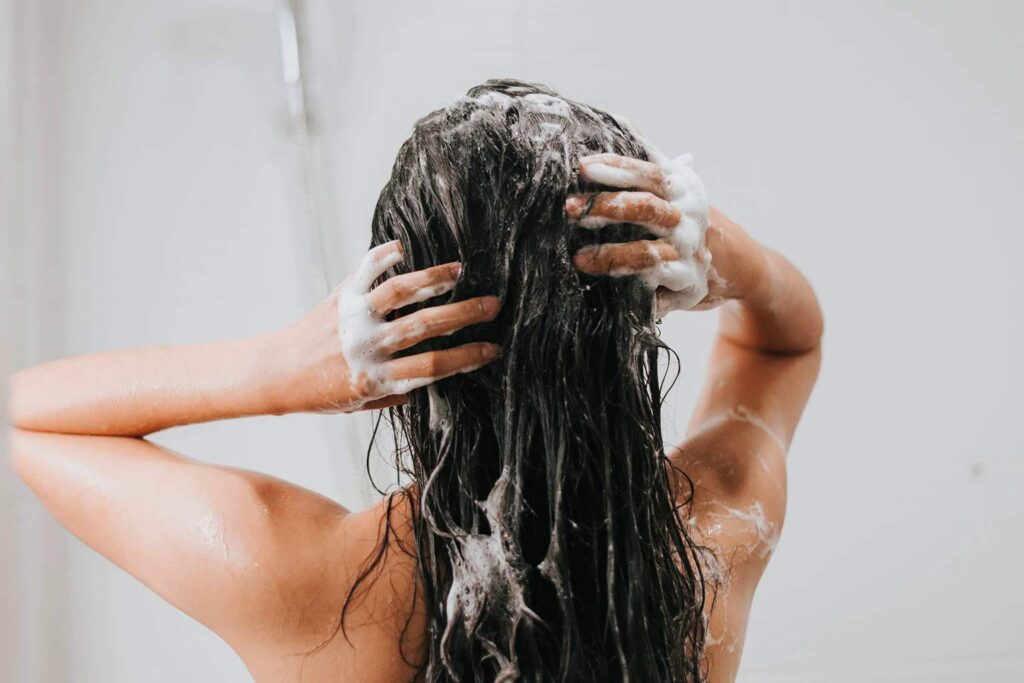
Cleansing is often misunderstood as something you either overdo or avoid altogether. In reality, the right washing routine supports shine by keeping the scalp balanced while preserving the hair’s protective oils. Overwashing strips these oils, while underwashing allows dirt and sweat to accumulate, both of which reduce glow.
Choosing a gentle cleanser and adjusting frequency based on lifestyle, not trends, makes a noticeable difference. Hair that feels clean but not squeaky tends to reflect light better and stays softer between washes.
A practical washing approach usually includes:
- Using lukewarm water instead of hot
- Applying shampoo only to the scalp, not the lengths
- Rinsing thoroughly to prevent residue
Small changes here often outperform even the most expensive styling products when it comes to visible hair health.
Lightweight conditioning that actually works
Conditioner does not have to be thick to be effective. Lightweight formulas focus on smoothing the cuticle rather than coating it, which allows hair to stay soft, flexible, and reflective. The trick is where and how you apply it.
Conditioning the mid-lengths and ends while avoiding the scalp helps prevent heaviness at the roots. Leaving it on just long enough to work, rather than as long as possible, also reduces buildup.
Helpful conditioning habits include:
- Using a small amount and adding water to distribute it
- Detangling gently with fingers while conditioner is in
- Rinsing until hair feels silky but not slippery
This method supports shine while keeping hair airy and responsive, especially for fine or easily weighed-down textures.
Scalp care as the foundation of glowing hair
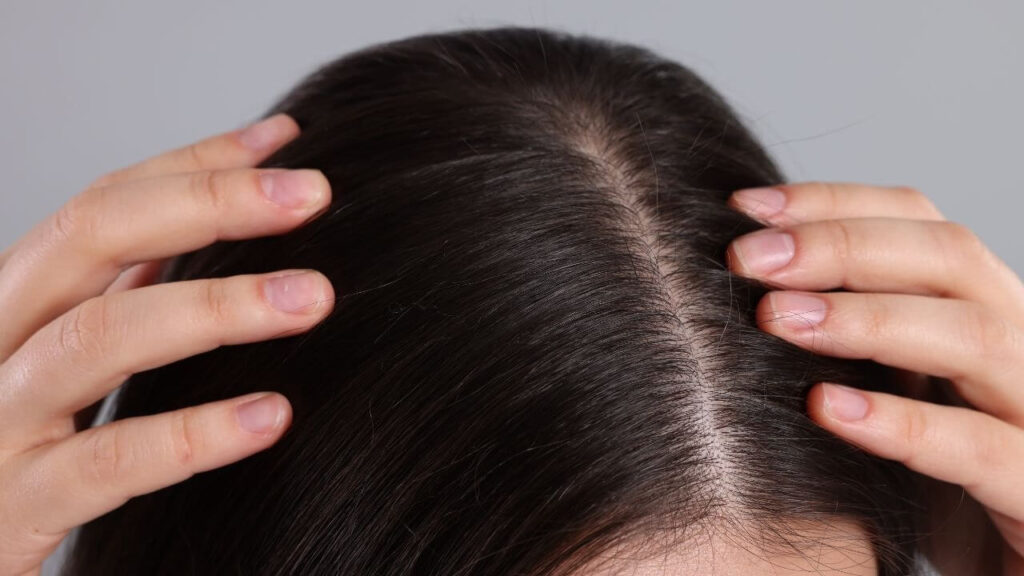
Healthy hair starts with a healthy scalp, yet this area is often ignored unless problems arise. The scalp is living skin, and like facial skin, it benefits from circulation, cleanliness, and occasional exfoliation.
Regular scalp care encourages oxygen flow to follicles and supports consistent growth patterns. This is especially important when avoiding heavy products, since the scalp relies more on its own balance to regulate oil production.
Effective scalp care can involve:
- Gentle massage during washing to stimulate circulation
- Occasional exfoliation with mild, non-abrasive formulas
- Avoiding constant tight hairstyles that restrict blood flow
Did you know? The scalp contains more blood vessels per square centimeter than most other areas of skin, which is one reason gentle massage can noticeably improve hair vitality over time.
Drying and styling habits that preserve natural shine
How hair is dried often matters more than what is applied to it. Rough towel drying and high heat can lift the cuticle, making hair look frizzy and dull. Gentle handling allows the cuticle to lie flat, which is essential for shine.
Air drying is ideal when possible, but when heat is needed, technique matters. Directional airflow and moderate temperatures protect hair structure without sacrificing convenience.
Better drying practices include:
- Blotting hair with a soft towel instead of rubbing
- Using a dryer on medium heat with controlled airflow
- Keeping heat tools moving rather than focusing on one spot
These habits help hair retain its natural gloss without relying on heavy smoothing products to mask damage.
Nutrition and hydration that show up in your hair
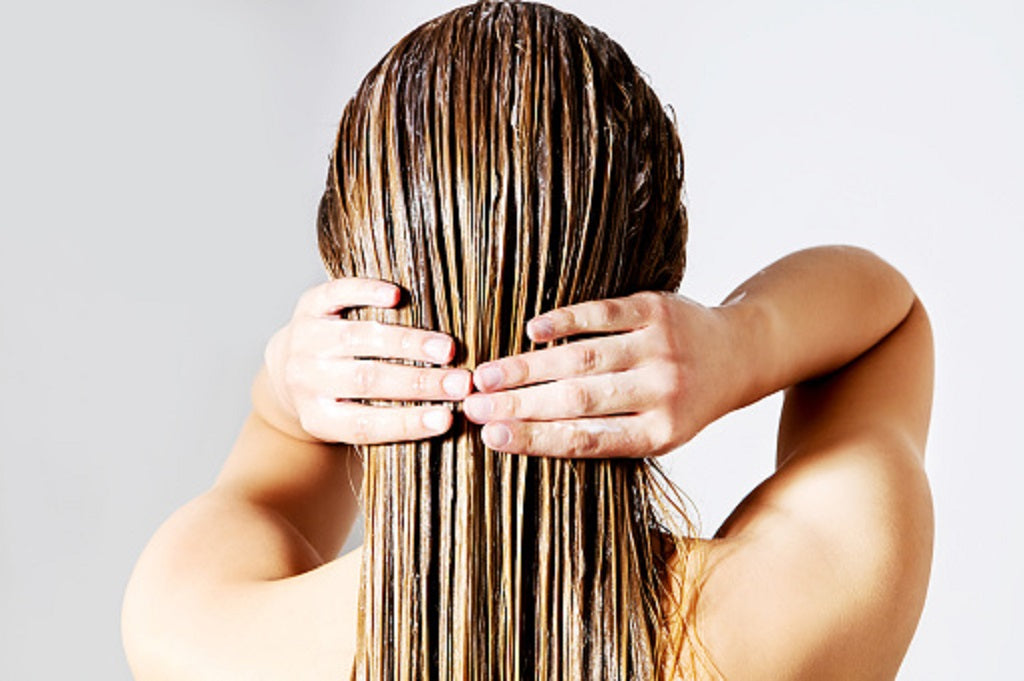
Hair reflects what is happening internally, often with a delay of several weeks. Nutritional gaps, dehydration, or extreme dieting frequently show up as dullness or brittleness before anything else.
Supporting hair from the inside does not require extreme measures, just consistency. Balanced intake of protein, minerals, and fluids supports keratin production and elasticity, which directly affect shine.
A simple nutritional focus might include:
- Adequate protein from varied sources
- Minerals such as zinc and iron from whole foods
- Regular water intake throughout the day
Hair fibers are primarily made of keratin, a protein structure that depends on consistent nutrient availability rather than occasional supplementation.
This internal support quietly amplifies the effects of good external care.
Product minimalism and smarter layering
Using fewer products does not mean using none at all. The goal is to choose multitasking, lightweight formulas and apply them intentionally. One well-chosen leave-in can outperform a stack of serums when used correctly.
Minimalism also makes it easier to spot what actually works. When hair responds well, shine appears naturally rather than being artificially enhanced.
A streamlined routine often includes:
- One lightweight leave-in or spray
- Occasional oil only on dry ends if needed
- Skipping daily styling products unless necessary
This approach reduces buildup and keeps hair responsive, making glow a baseline rather than a special occasion effect.
Environmental protection without heavy coatings
Sun exposure, pollution, and dry air all affect hair condition, often leading people to overcompensate with thick protective products. While protection is important, it can be achieved without suffocating the hair.
Physical barriers and simple habits often work just as well as heavy formulas. Covering hair or adjusting routines based on environment reduces stress on the strands.
Consider these protective strategies:
- Wearing hats or loose coverings in strong sun
- Rinsing hair after swimming in chlorinated water
- Using humidifiers indoors during dry seasons
These methods help preserve moisture and shine without adding layers that weigh hair down.
Building a routine you can actually maintain
The most effective hair care routine is one you can follow consistently. Complex systems often collapse under real-life schedules, leading to overuse of quick-fix products. Simplicity supports both discipline and results.
When routines feel manageable, hair benefits quietly over time. Shine becomes more stable, texture improves, and styling feels easier.
A sustainable routine usually focuses on:
- Gentle cleansing and conditioning
- Minimal but intentional styling steps
- Regular reassessment based on hair changes
By aligning care with daily life rather than ideals, glowing hair becomes a long-term outcome rather than a temporary win.
Closing thoughts
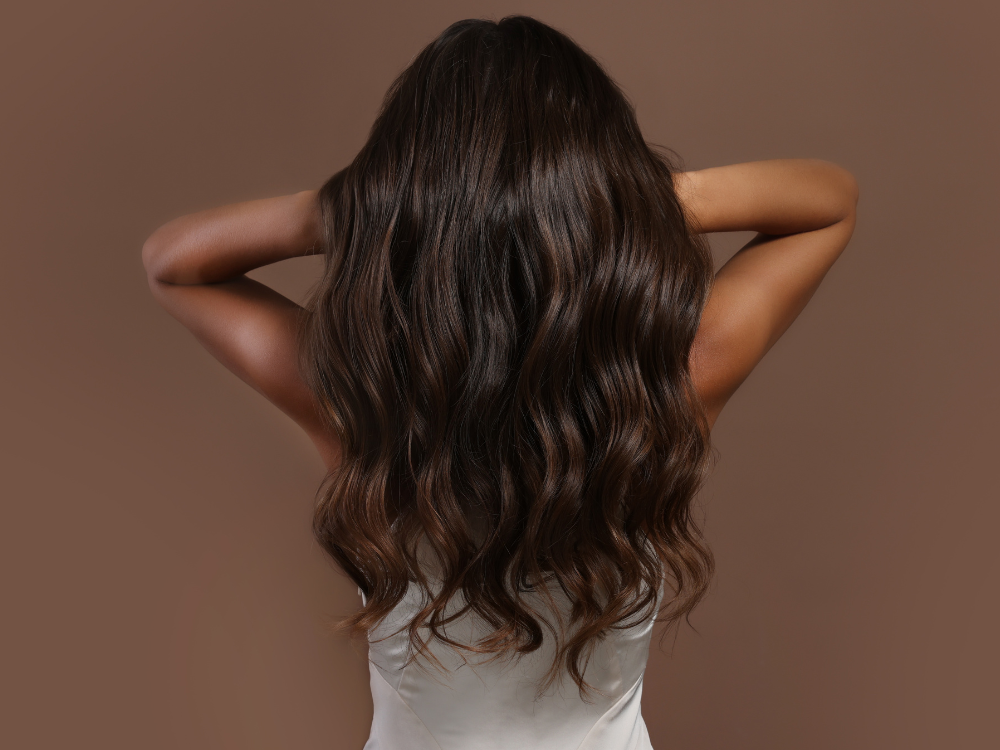
Healthy, glowing hair does not come from fighting your hair with heavier and heavier products. It comes from understanding how hair and scalp function together and supporting them with light, consistent care.
When routines focus on balance, gentle handling, and internal support, hair often responds by looking better with less effort.
Over time, this approach not only improves appearance but also simplifies daily care, proving that glow is not something you add on top, but something you allow to show through.