

Tooth pain is often associated with cavities in the public consciousness, but the reality is much more complex. In many cases, people experience tooth pain but no cavity, which can be confusing without understanding the underlying causes.
Pain in the teeth can stem from several unexpected sources, highlighting the versatility of our oral anatomy and the intricate nature of dental health. One common cause of pain without cavities is tooth sensitivity, often related to worn enamel or receding gums. This discomfort typically appears when consuming hot, cold, or sweet items, signaling exposure of the dentin the sensitive layer beneath the enamel.
Another prevalent reason for tooth pain without visible decay is bruxism, or teeth grinding, which can lead to significant wear and damage over time. Individuals who grind their teeth, especially during sleep, may experience headaches, jaw soreness, and discomfort as the pressure from clenching gradually affects the teeth.
Additionally, dental abscesses or infections can develop even when there is tooth pain but no cavity, forming at the root or in the gums and causing throbbing pain that may radiate throughout the mouth, often requiring immediate treatment.
The Role of Gum Disease: When Your Gums Speak
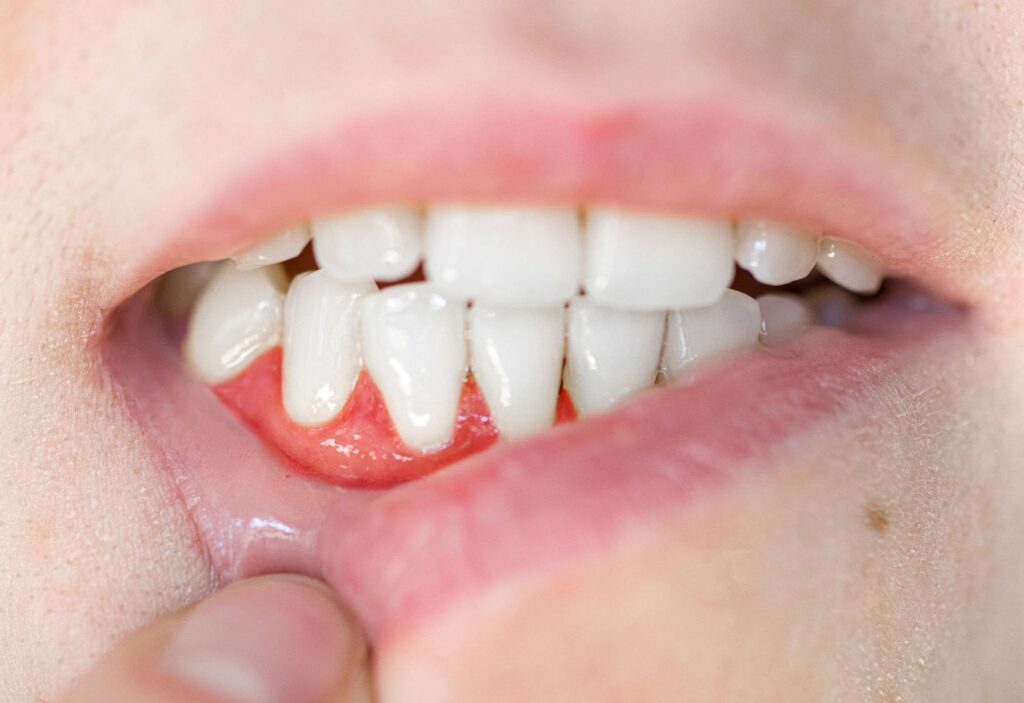
Gum disease, or periodontal disease, is another insidious cause of tooth pain that often goes unnoticed until the pain becomes severe. This condition begins with gingivitis, characterized by swollen, bleeding gums.
If not addressed, it can progress to periodontitis, leading to tissue and bone loss around teeth, which can result in pain even when cavities are absent. The inflammatory response of the body to the bacterial infection plays a significant role in this pain, producing discomfort that can mimic deep tooth structure pain.
Individuals often overlook the connection between gum disease and tooth pain, especially if the visible structures seem intact. However, the roots of teeth can become exposed as the gums recede, leading to sensitivity and pain. Incorporating targeted treatments such as scaling and root planing, along with consistent oral hygiene practices, can mitigate this condition significantly, providing both immediate relief and long-term health benefits.
Sinus Pressure: More Than Just Nasal Congestion
Interestingly, sinus issues can also manifest as tooth pain, particularly in the upper teeth where the roots are in close proximity to the sinus cavities. Conditions such as sinusitis can cause inflammation and pressure, manifesting in discomfort that radiates to the teeth.
This referred pain can be confusing, often leading individuals to associate it with dental problems when in fact, it originates from an upper respiratory issue. One of the hallmark signs is a dull ache in the upper teeth, worsening when bending forward or while lying down.
Understanding this connection is essential, especially for those with chronic sinus issues who might frequently experience troubling tooth pain. Effective management of sinus health can mitigate these occurrences, thus reducing that mistaken perception of dental disorders.
Over-the-counter antihistamines or nasal decongestants, along with saline nasal rinses, may provide significant relief. However, persistent pain should always lead to a visit to a healthcare professional for an accurate diagnosis.
Pain Perception: Understanding Tooth Pain’s Odd Sensations

Nerves and Sensations: How Your Body Interprets Pain
The experience of tooth pain is deeply rooted in neurobiology. Pain signals are transmitted via nerve fibers that respond to various stimuli, including temperature, pressure, and inflammation.
The dental pulp, housing a complex network of nerves, is exquisitely sensitive and can generate pain in response to even minor irritations, leading to sharp, intense sensations that can be overwhelming. This nerve network is composed of both A-delta fibers, which transmit sharp, immediate pain, and C fibers that relay dull, throbbing pain.
Moreover, the brain’s interpretation of these pain signals can be influenced by several factors, including emotional state, stress levels, and overall physical condition. Research indicates that individuals under high stress tend to experience escalated pain sensations, which can complicate the experience of toothaches.
Understanding how pain is transmitted and perceived can aid in effectively managing responses to oral discomfort, as individuals may react differently based on their psychological state, sometimes requiring an integrative approach that combines both physiological and psychological interventions.
Referred Pain: When Trouble Isn’t Where You Think

Referred pain is a fascinating phenomenon that often complicates tooth pain diagnosis. The brain can mistake the source of pain due to overlapping nerve pathways. For example, a problem with the heart can sometimes produce feelings of discomfort in the jaw, a phenomenon known in dentistry as angina.
Similarly, issues with the temporomandibular joint (TMJ) can radiate pain to the teeth, leading individuals to believe their teeth are the source of their discomfort when in reality, the issue lies in the joint or surrounding musculature.
This misdirection can lead to unnecessary dental treatments, emphasizing the importance of thorough diagnostic evaluations by healthcare providers. Understanding referred pain can be particularly beneficial as it encourages a more holistic perspective on health, promoting the exploration of underlying issues rather than solely focusing on symptomatic treatment.
The Impact of Stress: Can Anxiety Lead to Tooth Pain?
In today’s fast-paced society, stress is an ever-present reality, and its impacts on health are profound and multifaceted. Not only can stress lead directly to pain such as through exacerbated clenching or grinding of teeth but it can also indirectly influence health behaviors. Elevated stress levels can contribute to neglecting oral hygiene, resulting in a higher risk for conditions that might precipitate pain, such as gum disease.
Additionally, stress has been linked to the development of oral or facial muscle tension, leading to discomfort and pain that can easily be mistaken for dental issues.
Research has repeatedly shown a correlation between stress and tooth pain, illustrating how chronic anxiety may heighten pain sensitivity through a vicious cycle. Learning effective stress management techniques is essential for mitigating this relationship, which can include mindfulness practices, physical exercise, and professional mental health support.
By proactively addressing stress, individuals can often see an improvement in their overall oral health, contributing not just to pain reduction, but also to long-lasting well-being.
Solutions Galore: How to Alleviate Tooth Pain Without Treatment

Natural Remedies: When Nature Saves the Day
For many experiencing tooth pain without cavities, natural remedies may provide substantial relief, offering non-invasive alternatives to traditional treatments. Herbal solutions such as clove oil, which contains eugenol a powerful topical anesthetic are widely used for their analgesic properties.
Applying clove oil to painful areas may reduce discomfort due to its numbing effect. Similarly, saltwater rinses can help ease inflammation and promote healing, proving beneficial for both gum-related problems and general oral health maintenance.
Furthermore, cold compresses can be beneficial for acute pain management, reducing swelling and numbing the affected area, thereby offering temporary relief. Alternatively, warm compresses can relieve tension in the jaw in cases where muscle spasms are contributing to tooth discomfort. Additionally, turmeric, known for its anti-inflammatory properties, can be incorporated into pastes applied to the painful area or included in the diet to harness its healing potential.
Over-the-Counter Options: What Works Best?
When it comes to over-the-counter options, pain relief medications such as ibuprofen or acetaminophen can be effective in managing tooth pain and inflammation. These medications work by blocking pain signals and can provide a temporary respite for those dealing with discomfort.
Non-steroidal anti-inflammatory drugs (NSAIDs) are particularly beneficial in addressing pain as they also target inflammation within the oral cavity that may contribute to the sensation of pain.
Additionally, there are topical over-the-counter treatments formulated specifically for dental pain that can provide localized relief. These typically contain benzocaine or similar agents designed to numb the affected area.
However, caution is warranted with prolonged use, particularly in sensitive individuals or those with specific allergies. Overall, understanding the appropriate usage of these products ensures effective pain management while minimizing potential side effects.
Dietary Adjustments: Eating Your Way to Relief
The foods that we consume play an essential role in dental health and can sometimes be used strategically to ease tooth pain. Consuming a diet rich in anti-inflammatory foods such as leafy greens, fatty fish, nuts, and colorful fruits can promote overall oral health, potentially reducing inflammation that could lead to pain.
Avoidance of extremely hot, cold, or sugary foods may also be beneficial, particularly for those suffering from sensitive teeth, as they could aggravate the existing discomfort.
Incorporating foods that are high in vitamin D and calcium can support strong tooth enamel and bones, thereby enhancing oral health. Probiotic-rich foods can also be considered to encourage a healthy oral microbiome, which may further prevent issues that lead to pain. For individuals noticing connections between certain foods and pain, keeping a dietary log may help to pinpoint sensitive triggers, allowing for better personal management of oral discomfort.
Preventive Measures: Safeguarding Your Teeth from Future Pain
Oral Hygiene: Beyond Brushing and Flossing
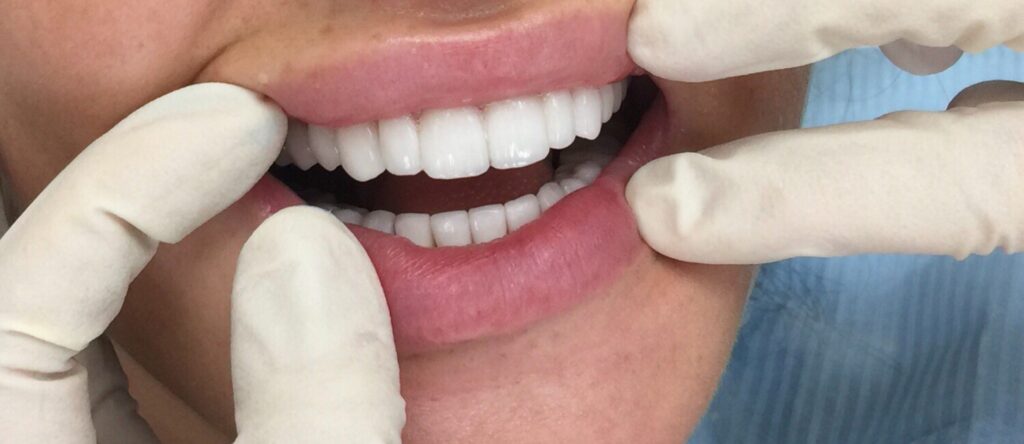
Maintaining optimal oral hygiene is the cornerstone of preventing tooth pain, even when cavities aren’t present. While brushing twice daily and flossing thoroughly are fundamental practices, additional measures should also be considered. The regular use of an antimicrobial mouthwash can target bacteria in the mouth that contribute to gum disease, while fluoride treatments can strengthen enamel and protect against sensitivity issues. Consistent attention to every area of the mouth and ensuring that dental tools are in top condition can enhance the effectiveness of daily routines.
Moreover, individuals should also be aware of habits that could inadvertently undermine oral health, such as excessive use of whitening products or over-brushing, which can lead to enamel erosion. Tailoring an oral hygiene routine to one’s unique sensitivity profile and lifestyle is crucial for maintaining long-term dental health and comfort.
Regular Dental Check-Ups: The Importance of Prevention
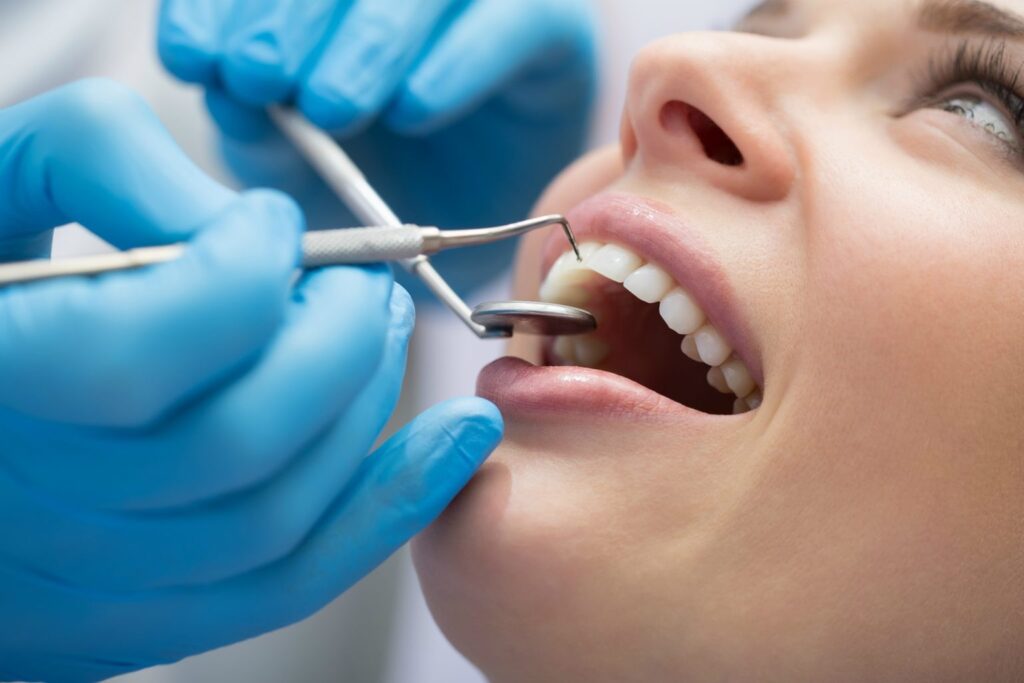
Regular visits to the dentist are imperative for early detection of issues that may cause tooth pain. Professional cleanings and examinations allow for the identification of potential problems such as gum disease or enamel erosion before they develop into more severe conditions that lead to pain. Dentists can provide personalized recommendations based on individual needs, reinforcing the importance of preventive care in avoiding dental discomfort.
Moreover, proactive measures such as sealants, particularly in individuals with a history of cavities or sensitivity, can create a protective barrier for teeth against decay and wear. This prevention-oriented approach saves patients time, stress, and financial resources by addressing potential issues before they escalate.
Lifestyle Changes: How Habits Affect Your Oral Health
Lifestyle choices have a profound impact on oral health, and recognizing how daily habits affect this aspect of well-being is essential. Smoking and use of tobacco are widely known to contribute to various dental issues, including gum disease, which can lead to tooth pain. Moreover, poor dietary choices can lead to conditions that exacerbate oral health issues, thus encouraging the need for lifestyle adjustments to support a healthy mouth.
Incorporating regular hydration, reducing sugary snacks, and avoiding excessive acidic foods can significantly contribute to a healthy oral environment. Additionally, incorporating mindfulness practices to reduce stress, as discussed, promotes overall well-being and may reduce habits that contribute to dental pain. Ultimately, embracing a comprehensive lifestyle approach to oral health can facilitate a pain-free future and enhance overall quality of life.