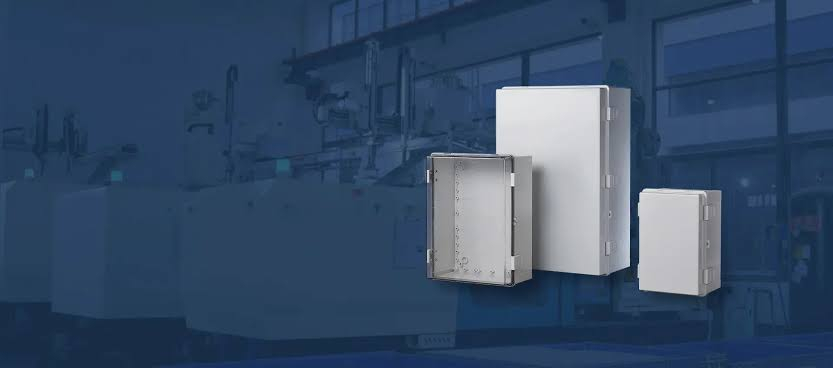
Submersible enclosures are becoming increasingly important across Europe as industries need stronger protection for electrical and electronic equipment exposed to water, moisture, dust, and harsh environments.
From utilities and renewable energy to marine, automotive, and food production, these enclosures help keep sensitive systems safe and operational.
Market demand is also shaped by stricter environmental rules, higher durability expectations, and the growing need for reliable IP-rated protection.
For buyers, choosing the right enclosure means looking beyond basic waterproof claims and considering real-world performance, materials, testing conditions, and long-term maintenance needs.
Why Demand for Submersible Enclosures Is Growing in Europe
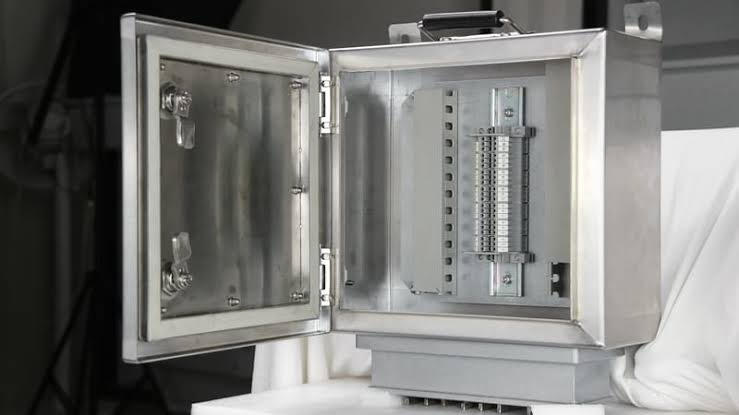
Demand for submersible enclosures in Europe is growing because more industries need reliable protection for electrical and electronic equipment exposed to water, moisture, dust, and harsh operating conditions.
Stricter environmental rules, expanding renewable energy projects, and rising expectations for equipment durability are all pushing companies to choose enclosures that can perform beyond basic indoor use.
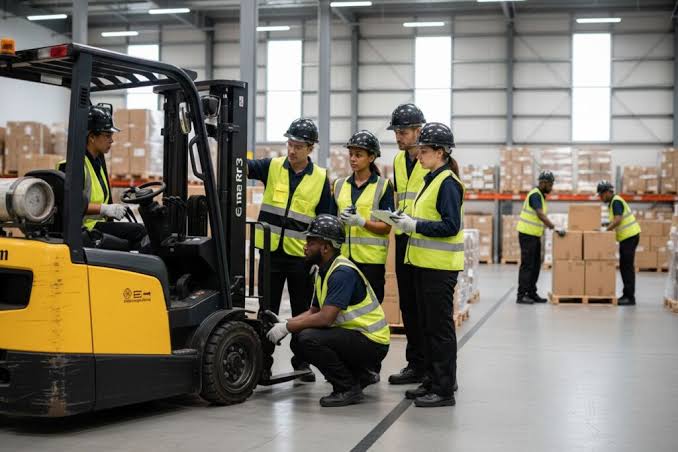
Utility and infrastructure sectors are among the strongest drivers. Water treatment plants, power facilities, and renovation projects in older industrial sites need enclosures that can protect sensitive systems from moisture, contaminants, and long-term environmental exposure.
In these settings, failure can interrupt operations, increase maintenance costs, and create compliance risks.
Other industries are also expanding the use of submersible enclosures, including:
- Marine applications, where equipment must withstand wet and corrosive conditions
- Automotive systems, especially electric vehicle components exposed to rain, spray, or temporary submersion
- Food and beverage facilities, where washdown areas and hygiene requirements demand water-resistant protection
- Renewable energy projects, where outdoor and near-water installations need durable enclosure solutions
This wider adoption shows why submersible enclosures are no longer limited to traditional electrical protection. They are becoming part of broader industrial planning, helping businesses improve reliability, meet regulatory expectations, and reduce the risk of equipment damage in demanding environments.
Choosing the Right Submersible Enclosure: Key Considerations
Choosing the right submersible enclosure starts with matching the product to the real environment where it will be used. Buyers need to consider water depth, exposure time, dust, corrosion, temperature changes, cable entry points, and the sensitivity of the equipment inside.
A strong enclosure choice is not based only on a “waterproof” label. It should be supported by the correct IP rating, suitable materials, verified testing conditions, and a design that fits the application’s long-term maintenance and safety requirements.
Evaluating IP68 Ratings: What to Look For
Understanding IP68 ratings is crucial when evaluating submersible enclosures. These ratings specify the level of protection against dust and water immersion. However, what should clients be particularly mindful of? It’s more than just numbers and letters; it relates to performance in real-world conditions.
Clients often overlook critical facets of IP ratings. While an IP68 rating might imply full dust-tightness and capability to withstand water immersion beyond 1 meter, testing conditions can be quite variable.
Real-life applications might expose these enclosures to pressure management and temperature fluctuations that standard testing doesn’t cover. Hence, performance in situ is essential.
- Check actual test conditions versus manufacturer claims.
- Seek certifications from reputable testing agencies.
- Consider application scenarios, including exposure duration and water depth.
Material Selection for Longevity and Durability
Selecting the appropriate materials is a critical factor in ensuring the long-term performance of submersible enclosures. For organizations sourcing or deploying submersible enclosures Europe, material selection becomes especially important due to the wide range of environmental conditions and industry requirements across the region.
Common materials such as polycarbonate, aluminum, and stainless steel each offer distinct advantages and limitations, making it essential to match the material to the intended application.
For example, polycarbonate is widely valued for its lightweight construction and strong impact resistance, making it suitable for many general-purpose underwater applications.
In contrast, stainless steel is often preferred in highly saline or corrosive environments because of its exceptional resistance to rust and degradation.
Aluminum provides a practical middle ground, offering a favorable balance of strength, durability, and reduced weight.
When evaluating materials, users should also consider factors such as thermal performance, weight restrictions, maintenance requirements, and the likelihood of physical impact.
- Polycarbonate is well suited for lightweight, low-impact applications.
- Stainless steel performs exceptionally well in corrosive environments.
- Aluminum offers a strong balance between durability and weight.
Custom Solutions vs. Standard Offerings: What Works Best?
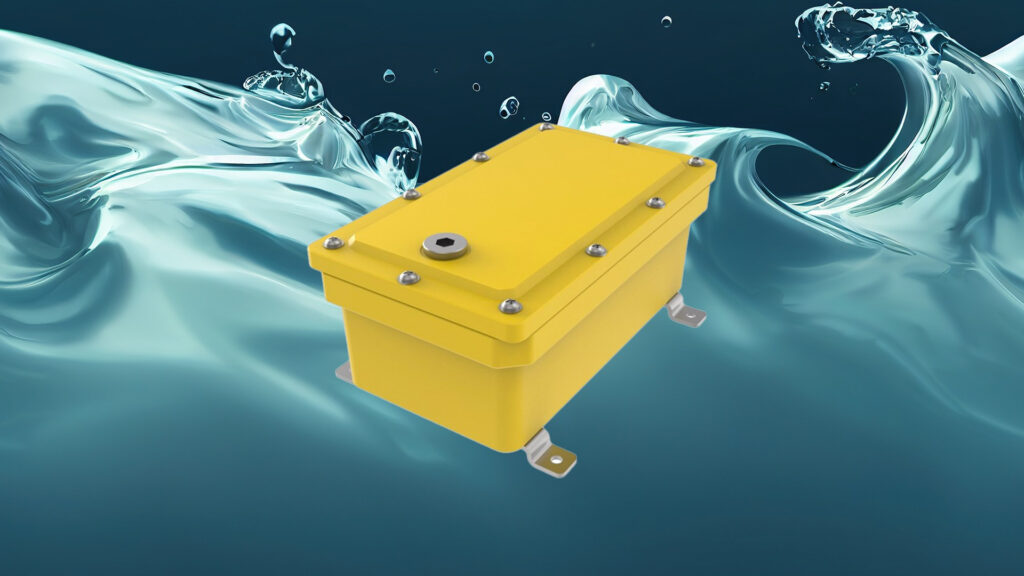
The right choice depends on how demanding the application is. Standard submersible enclosures can work well for common installations with predictable dimensions, exposure levels, and equipment needs. However, projects involving unusual layouts, harsh environments, strict compliance requirements, or sensitive components may need a custom design.
Tailoring Enclosures for Specific Project Needs
When seeking optimal performance, businesses often grapple with the choice between custom solutions and standard offerings in submersible enclosures.
Should clients invest in tailored products, or can they achieve adequate protection with off-the-shelf options? The answer typically hinges on the specific requirements of the project.
In cases where unique configurations and specific dimensions are paramount, standard choices may fall short. Custom enclosures have the capacity to accommodate particular project needs, enabling companies to enhance performance while ensuring compliance with relevant standards.
This tailored approach frequently translates to better protection against environmental hazards.
- Standard offerings cater to less specialized needs.
- Custom solutions provide targeted performance benefits.
- Think about the long-term cost-effectiveness of a tailored solution.
Cost Implications of Customized Enclosures
There’s a prevalent notion that opting for customized enclosures results in significant price hikes. While it’s true that custom solutions often entail higher upfront costs, the value gained usually compensates for these concerns.
Clients must assess the cost against projected durability, performance, and compliance advantages.
The initial sticker shock can put many off, but it’s wise to analyze the total cost of ownership. Those opting against custom enclosures might be settling for lesser quality or face inflated maintenance costs in the future.
Thus, investing in the right solution isn’t solely about short-term expenses – it encompasses the broader picture.
- Initial costs weighed against long-term durability considerations.
- Assessing ongoing maintenance and downtime expenses.
- Factor in future scalability needs for operations.
Future Innovations in Submersible Technology
Integrating Smart Technologies into Enclosures
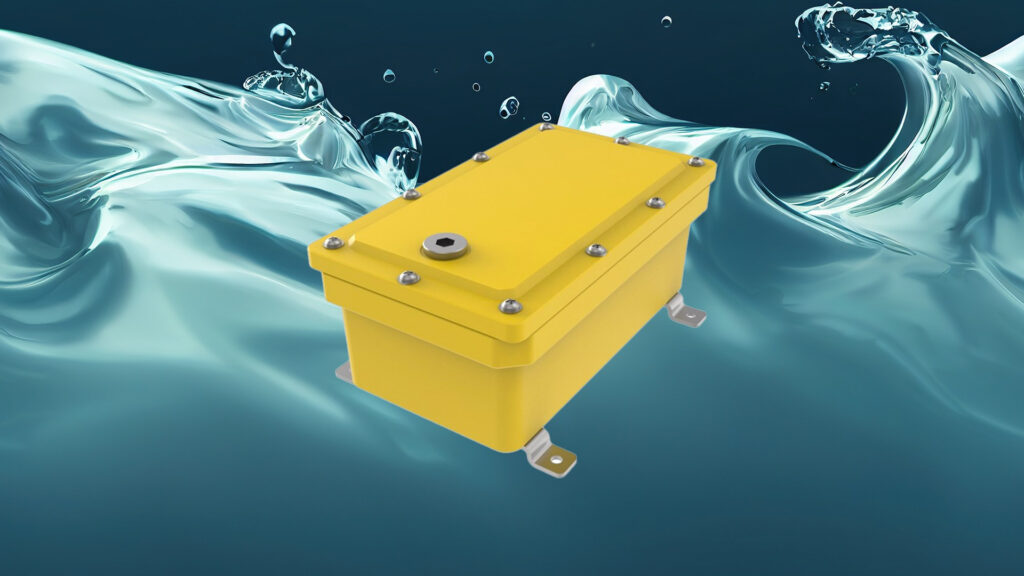
The future of submersible enclosures seems bright with the advent of smart technology. Integrating IoT devices is changing how these enclosures function.
Now, real-time monitoring can provide alerts about potential failures before they escalate into prolonged downtime. But how can companies harness this innovation?
Through embedding smart sensors in the enclosures, companies can continuously monitor environmental conditions.
This data streams directly to a centralized system, offering insights into the enclosures’ performance over time. In essence, this leads to more informed decisions regarding maintenance and predictive analyses for future needs.
“Smart technology is reshaping how businesses consider enclosure performance and longevity.”
- Real-time health monitoring boosts safety.
- Predictive analytics help minimize unexpected failures.
- IoT integration enhances operational efficiency.
Forecasting Market Developments for the Next Decade
Looking forward, experts foresee consistent growth within the submersible enclosure market. Rising demands from industrial applications, especially in renewable energy and environmental monitoring, will likely keep the market on an upward slope. But which trends will influence the next ten years?
As climate change propels investments in sustainable solutions, the market is expected to evolve further.
Clients will increasingly seek enclosures that protect while also aligning with sustainability goals. Such shifts will impact manufacturing processes, material choices, and design philosophies.
- The renewable energy sector will seek more advanced enclosures.
- Environmental monitoring’s significance will amplify.
- Sustainability will shape design and materials innovation.