
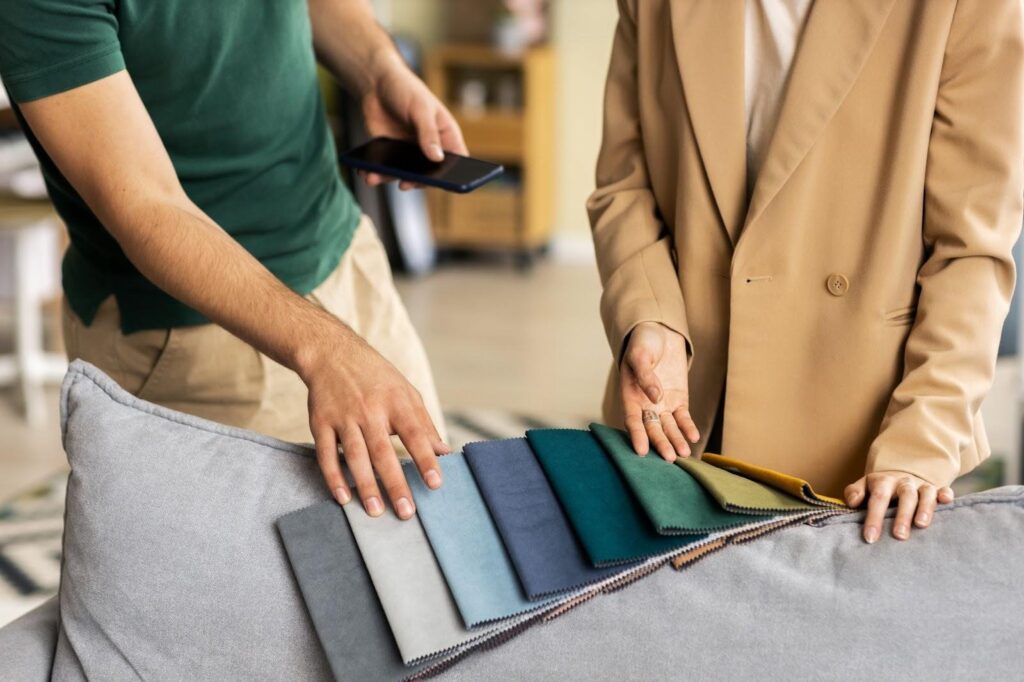
Choosing the right fabric for professional attire is crucial for comfort, durability, and appearance. The perfect material can elevate workwear and uniforms, ensuring they meet industry standards while providing a polished look.
Selecting high-quality threads benefits both employees and employers, enhancing brand image and employee satisfaction. Furthermore, threads for workwear and uniforms offer enhanced durability in demanding environments.
Understanding fabric types
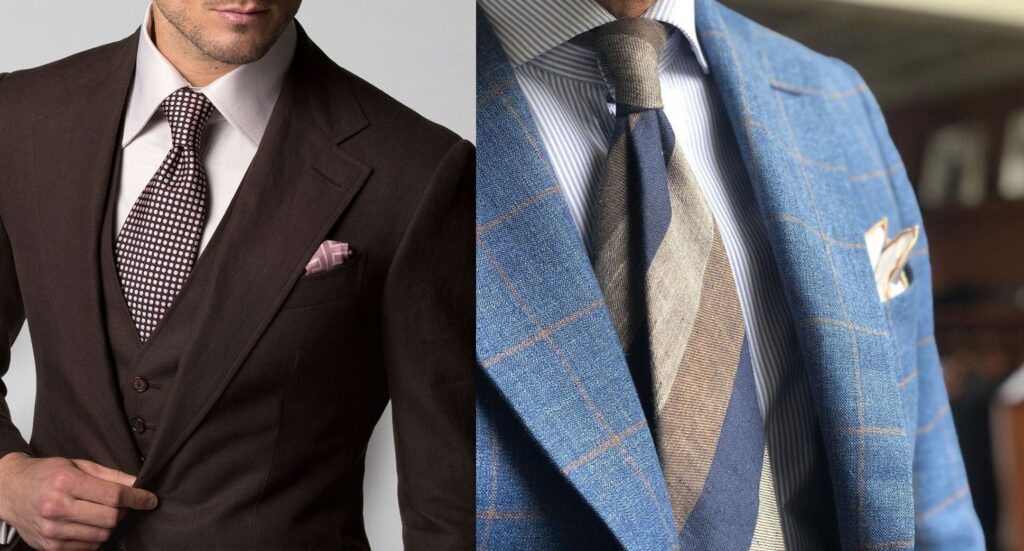
When selecting fabrics for professional attire, it’s essential to understand different materials. Natural fibers such as cotton and wool offer breathability and comfort. Cotton is lightweight, making it ideal for warm climates, while wool provides warmth in colder environments.
Synthetic fabrics like polyester and nylon are known for their durability and resistance to wrinkles. They are often blended with natural fibers to enhance their properties. Additionally, threads for workwear and uniforms contribute significantly to the overall resilience of these blends.
For those seeking eco-friendly options, consider organic cotton or bamboo. These materials not only offer sustainability but also reduce environmental impact. Additionally, blends that incorporate elastane provide stretchability, allowing freedom of movement-an important factor in jobs requiring physical activity.
Here’s a quick list of popular fabric types: – Cotton: breathable, comfortable – Wool: warm, insulating – Polyester: durable, wrinkle-resistant – Nylon: strong, lightweight – Elastane blends: stretchable Each type has its pros and cons; choosing the right one depends on specific workplace needs.
Considerations for workplace needs
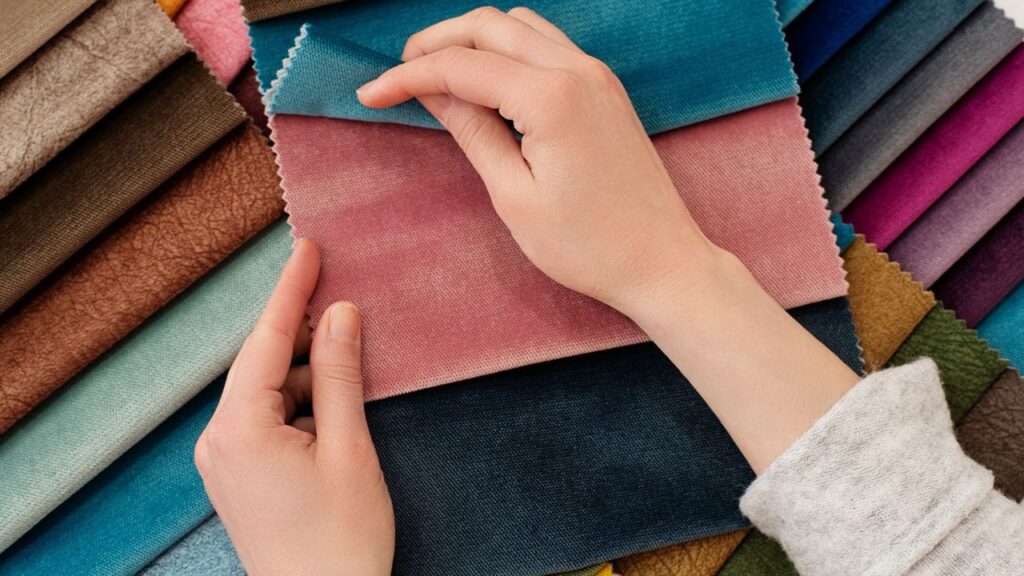
Identifying workplace requirements is pivotal when deciding on fabric choices. Some industries prioritize safety features like flame resistance or high visibility. In these cases, specialized textiles such as Nomex or reflective materials are recommended. Healthcare professionals might prefer anti-microbial fabrics to maintain hygiene standards.
Climate also plays a significant role in fabric selection. For hot environments, moisture-wicking fabrics help keep employees cool by drawing sweat away from the skin. Conversely, thermal layers are beneficial in cold settings to retain body heat.
List of considerations based on workplace needs: – Safety: flame resistance, high visibility – Hygiene: anti-microbial properties – Climate adaptation: moisture-wicking or thermal insulation By aligning fabric qualities with job-specific demands, companies ensure employee comfort and safety without compromising functionality.
The impact on brand image
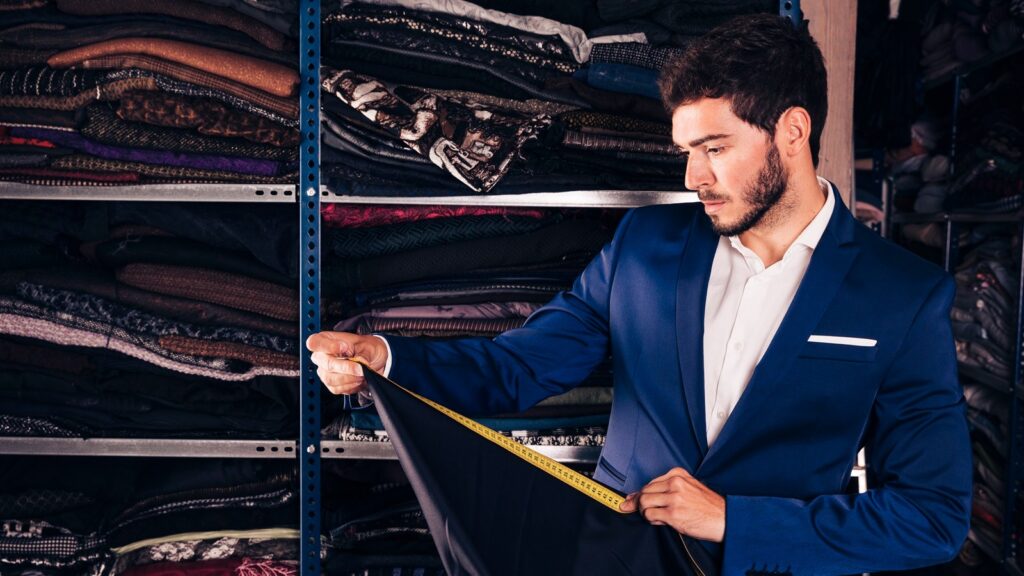
The choice of fabric not only influences wearer comfort but also impacts brand perception. High-quality materials reflect positively on a companys reputation by projecting professionalism and attention to detail. Uniforms made from premium threads convey trustworthiness and consistency to clients and partners alike.
Moreover, investing in superior fabrics can lead to cost savings over time due to increased garment longevity. Frequent replacements due to wear-and-tear become less necessary when using durable textiles-a financial benefit for businesses aiming at long-term solutions.
Additionally, threads for workwear and uniforms contribute to a lasting professional image. A thoughtful approach towards fabric selection thus enhances both internal morale among staff members who feel valued through quality attire, as well as external perception among stakeholders who recognize the company’s commitment to excellence.
In summary, choosing appropriate fabrics for professional attire requires careful consideration of material properties aligned with job demands while simultaneously boosting organizational image through quality investments.