Renting forklifts can enhance workflow speed by providing immediate access to the machinery needed, cutting out the delays often tied to purchasing equipment.
With flexible rental agreements in place, businesses can easily adjust their fleet size according to demand, which reduces downtime and helps preserve capital during slower periods. When forklifts are rented, the maintenance responsibilities shift to the rental companies, relieving businesses of costs and management headaches.
Renting opens up access to a diverse fleet of forklifts, tailored to specific tasks, which boosts operational efficiency and workplace safety. Managing seasonal demand fluctuations becomes easier through renting, allowing firms to scale their equipment swiftly during peak times without incurring ownership costs.
Utilizing well-maintained forklifts from reputable rental firms ensures compliance with safety standards and regulations, thereby minimizing risks and enhancing operational safety.
Convenient documentation offered by rental companies aids in keeping compliance records, which is vital for internal reviews and regulatory adherence.
Maximizing Efficiency – How Renting Forklifts Streamlines Operations
The Impact on Workflow Speed
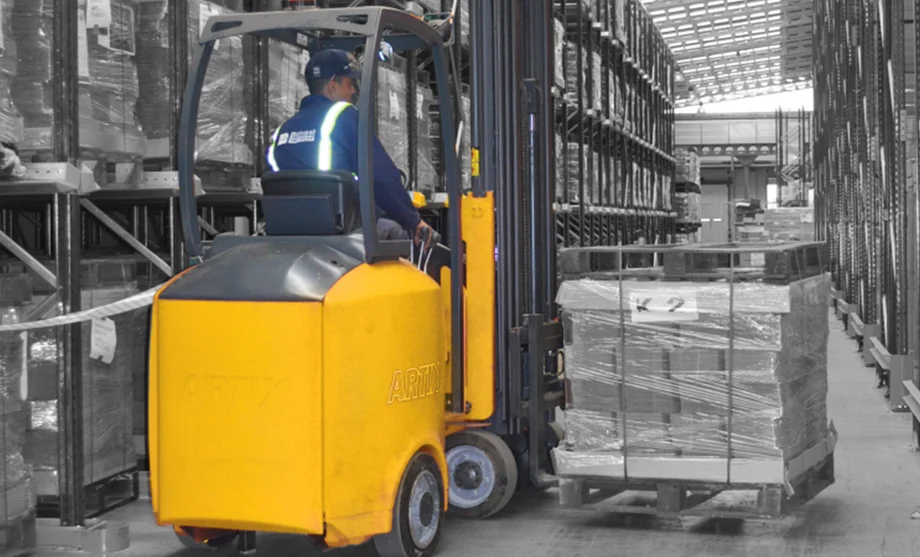
In the fast-paced realm of material handling, speed is essential. A business’s efficiency is often dictated by its ability to move goods quickly. Forklifts are pivotal in this aspect. When businesses rent forklifts, they gain immediate access to the necessary machinery, without the lengthy commitment that comes with purchasing, leading to significantly improved workflow speed.
Take, for example, a construction firm managing a considerable project. Heavy materials must be relocated promptly to adhere to deadlines. Renting a forklift offers immediate availability free from the complications of ownership. Insights from experts reveal that improved equipment accessibility can decrease project completion times, ultimately boosting productivity.
Moreover, employees face fewer bottlenecks. Tailoring fleets to meet specific tasks ensures that materials arrive on site promptly, keeping operations flowing smoothly.
Reducing Downtime with Flexible Rentals
Downtime can quietly undermine business operations. Each hour a forklift is out of commission translates to lost revenue. This is where renting forklifts becomes a smart strategy for risk mitigation. When equipment malfunctions, having the option to rent another forklift on short notice is invaluable.
Flexible rental agreements afford companies the ability to swiftly adjust their fleet size based on demand dynamics. For instance, during peak seasons, businesses can easily scale up with additional units to maintain high customer satisfaction. On the flip side, returning equipment during quieter periods helps conserve capital.
To further leverage this approach, companies should closely monitor their operational patterns. By recognizing trends, they can pinpoint precise equipment needs over time, leading to informed rental decisions.
Cost-Effectiveness – Budgeting with Forklift Rentals
View this post on Instagram
How Rentals Save on Maintenance Costs
Owning forklifts brings a host of maintenance duties. Beyond the initial buying cost, upkeep expenses can escalate rapidly. Renting can significantly lighten these financial burdens. When businesses rent a forklift, all maintenance responsibilities, including routine checks and repairs, fall to the rental company.
This shift not only alleviates costs but also frees businesses from the management of service schedules. Professionals ensure their machinery remains in optimal condition, thereby guaranteeing safety and functionality. Consequently, companies can dedicate more time to their core operations. The savings from rentals often translate into greater financial flexibility.
Those savings can be funneled into other crucial investments, whether that’s upgrading technology or enhancing workforce training, driving a cycle of continuous improvement.
Comparing Rental Prices vs. Owning
The equation becomes intriguing when rental prices are compared to ownership expenses. Business owners frequently overrate the costs associated with renting while underestimating the hidden expenses linked to ownership. Key factors to consider include:
- Purchase price: Initial costs can quickly deplete budgets.
- Depreciation: Equipment loses value over time, affecting profitability.
- Maintenance: Regular upkeep and repairs introduce significant long-term expenses.
- Storage: Ownership requires space, potentially increasing overhead costs.
When all these elements are assessed, renting often stands out as the more financially sound choice. It allows businesses to access modern, reliable equipment without the long-term financial commitments that could stifle growth.
Some enterprises even discover that rental agreements come with added benefits, like flexible payment terms and bundled insurance, which can enhance overall value.
Flexibility in Material Handling – Adapting to Daily Demands
Selecting the Right Forklift for Every Job
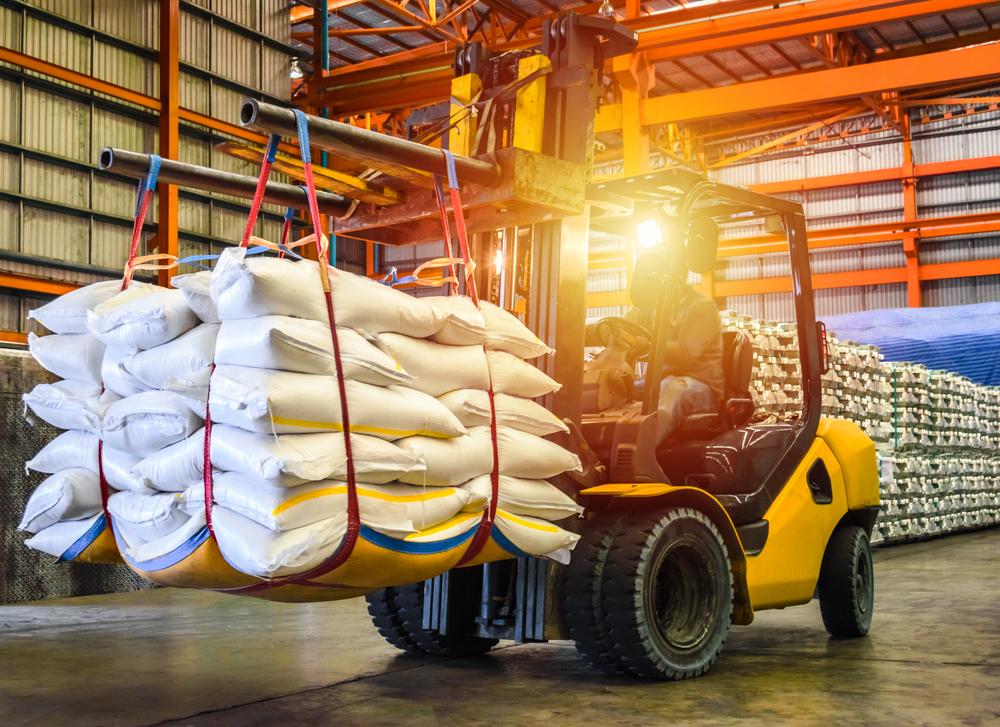
Different projects necessitate different forklifts. When businesses commit to purchasing, they often pick equipment that covers their largest needs, neglecting specialized options. Conversely, rentals provide access to a diverse fleet. Here’s the kicker: through rental, companies can choose the ideal forklift for every task, optimizing operational efficiency.
Do high-lift trucks align with the requirements of construction sites? What about using electric forklifts for particular warehouse functions? Being able to rent forklifts affords businesses the flexibility to pivot quickly, meeting specific demands without incurring hefty financial burdens.
The outcome? Enhanced productivity. Matching the right forklift to the right job not only amplifies efficiency but also boosts safety. Employees gain confidence when they work with equipment suited for their tasks.
Seasonal Adjustments – Renting When You Need It
In sectors where demand fluctuates seasonally, adjusting equipment needs is crucial. Renting a forklift opens up vast flexibility during peak periods, allowing businesses to respond more adeptly when demand surges. This responsiveness serves not merely as a convenience; it translates to a competitive edge.
During peak times like holiday seasons or specific industry cycles, firms can quickly ramp up their rental inventory to meet increased demand, maximizing operational capacity without the sunk costs associated with ownership. During off-peak periods, returning excess equipment keeps costs manageable.
Experts often recommend forecasting demand early, based on historical data, so businesses can strategically position themselves for greater success.
Safety and Compliance – Renting for Peace of Mind
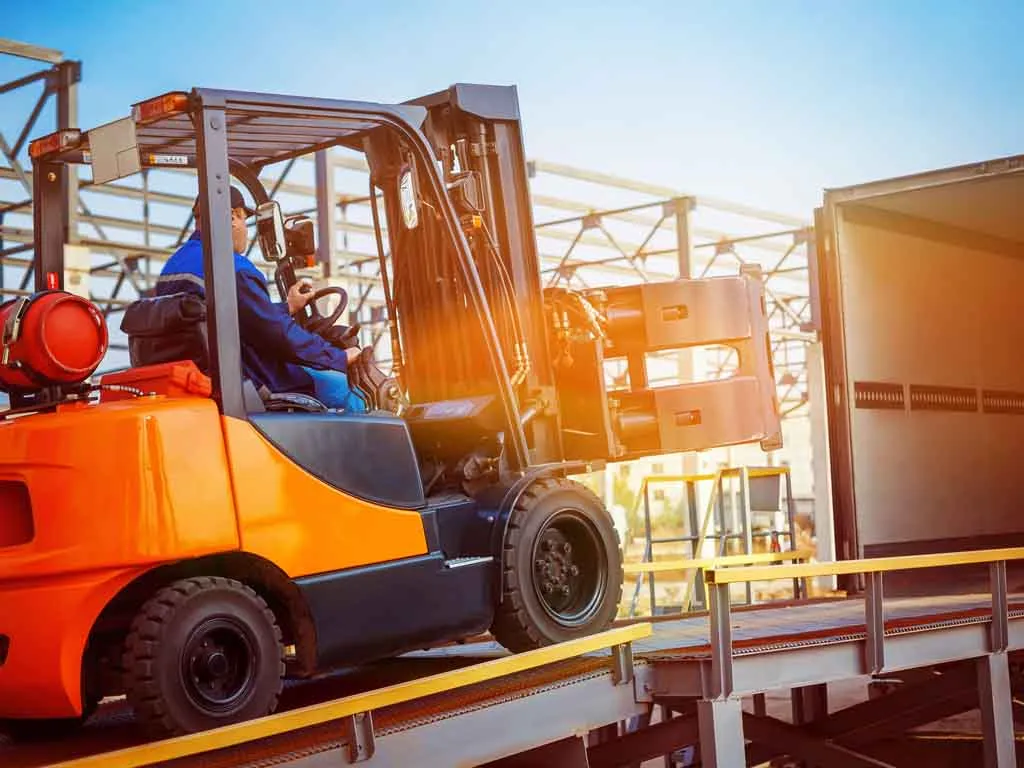
Ensuring Safety with Well-Maintained Equipment
Safety is a must in any workplace. Forklifts, if mishandled or poorly maintained, can pose serious risks. Renting guarantees that businesses access well-maintained, up-to-date equipment that complies with rigorous safety standards, crucial for diminishing hazards.
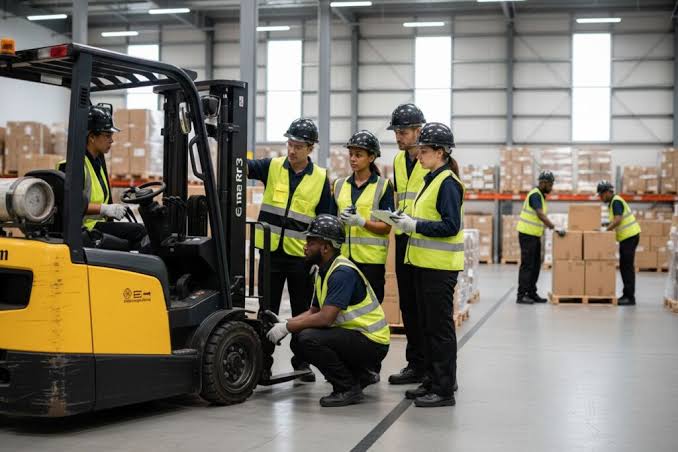
Rental companies prioritize the maintenance of their fleets since it directly impacts their reputation. Clients can therefore rely on rented machinery to perform safely and effectively. Many rental providers even incorporate safety training into their rentals, ensuring operators are well-informed about safe practices, a vital aspect in reducing workplace accidents.
“A safe workplace isn’t just about compliance. It’s about fostering a culture of care.”
Promoting safe operations can elevate employee morale, which, in turn, elevates productivity. Investing in safety is not only prudent; it’s essential for sustainable business practices.
Meeting Industry Standards Effortlessly
Navigating regulatory compliance can be challenging, especially in sectors with strict safety guidelines. Often, rental companies manage much of this load. They ensure their forklifts meet the latest regulations, effectively relieving businesses from this task.
This ease of compliance helps companies avoid potential fines and legal challenges, enhancing their reputation within the industry. Through renting, businesses can feel secure knowing their equipment meets both federal and state regulations, providing peace of mind for stakeholders.
Additionally, professionals stress the importance of the documentation provided during rentals. Keeping accurate records is essential for maintaining compliance and offers a clearer picture of operational efficiency for internal evaluations.
As organizations navigate the intricacies of their equipment needs, the benefits of renting forklifts become apparent. Retailers, contractors, and businesses across various sectors can gain substantial operational advantages, from boosting efficiency to simplifying compliance efforts. In a landscape where responsiveness can determine a business’s success, renting forklifts emerges as a strategic and wise solution. Ultimately, companies can achieve more, and do it more effectively, by adopting this flexible, cost-effective approach to material handling challenges.