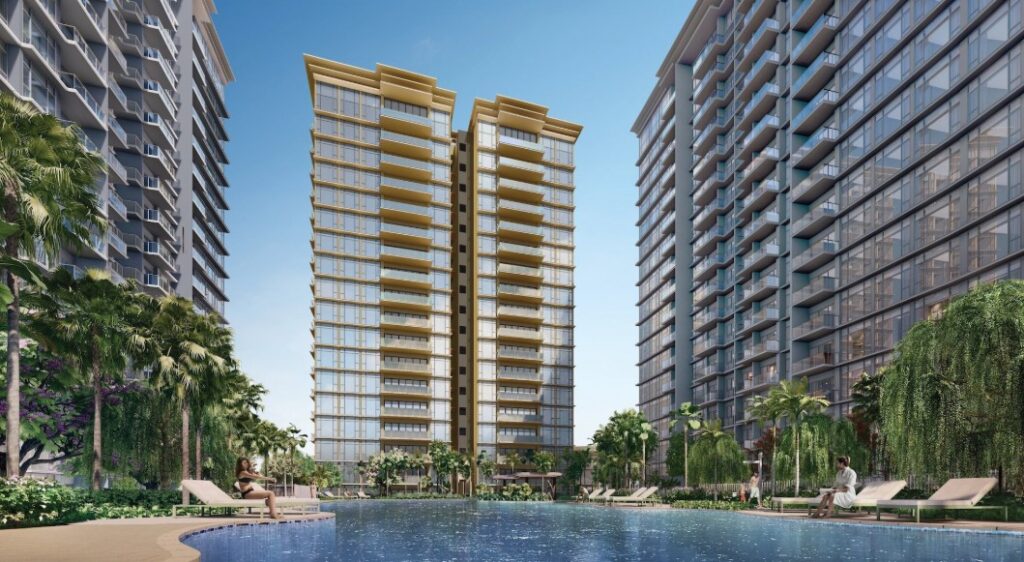
Over the next decade, you will witness Vela Bay convert Bayshore’s waterfront into a resilient, mixed-use corridor that maximizes public access, economic opportunity, and ecological restoration; this plan guides infrastructure investment, placemaking, and regulatory alignment so you can evaluate opportunities, shape community outcomes, and position your projects for lasting value.
Overview of Vela Bay
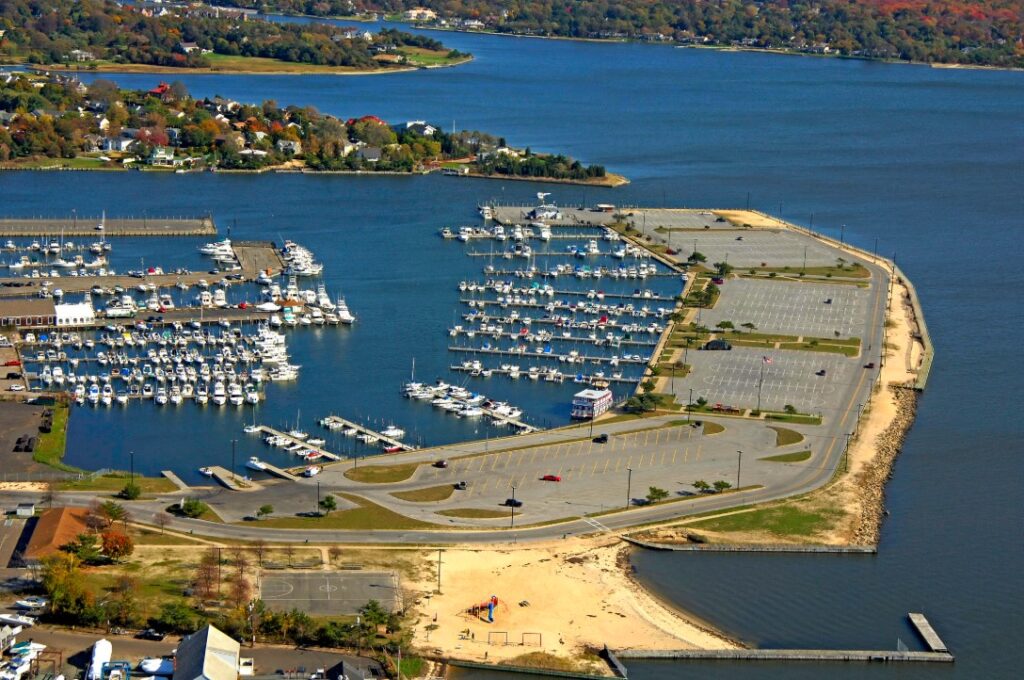
Spanning 30 acres along Bayshore’s waterfront, Vela Bay delivers a mixed-use plan of 500 residential units, a 120-slip marina, and 1,200 feet of public promenade. You’ll see 80,000 sq ft of retail and office space targeting LEED Gold and a 150-room boutique hotel by Meridian Group. Phased construction began in 2023 with full buildout slated for 2028, and design prioritizes flood resilience, multimodal access, and a 30% affordable housing allocation to integrate your community needs.
Historical Significance
You can trace Vela Bay’s roots to a 1870s shipbuilding district that supplied schooners across the region; by 1927, tidal flats were reclaimed to expand the harbor. Mid-20th century industrial decline left warehouses until a 2019 adaptive reuse converted a 1892 drydock warehouse into a community arts center. These layers inform your design choices, as planners preserve brick facades and maritime relics within new public spaces to honor Bayshore’s working-waterfront legacy at Vela Bay.
Current Developments
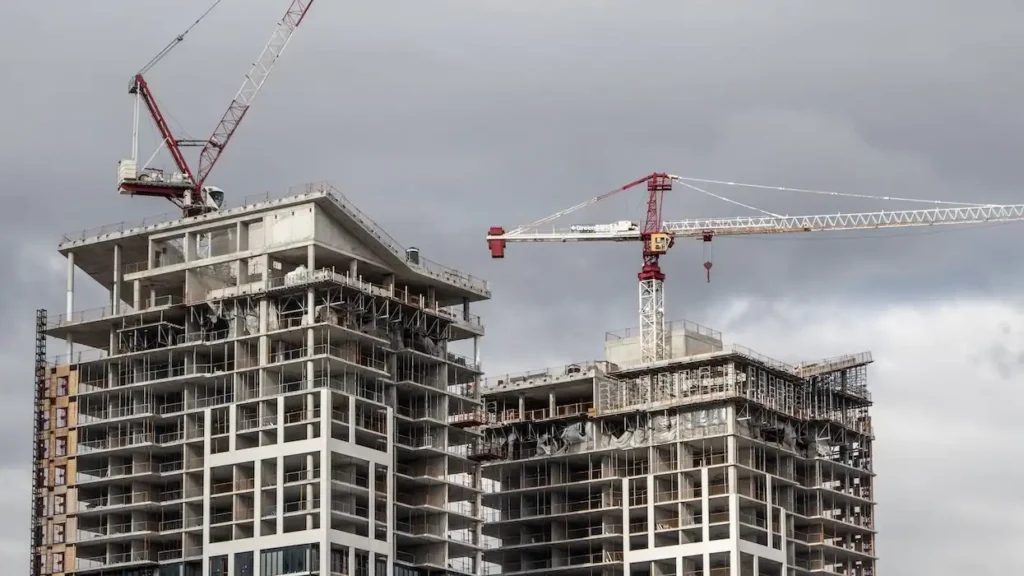
Phase I, completed in 2024, delivered 150 homes, a 120-slip marina and a reinforced seawall rated for a 2.5-meter storm surge; you’ll notice raised promenades and stormwater bioswales. Phase II adds 350 residences, 80,000 sq ft retail/office and a 150-room hotel, with construction underway through 2026. Municipal approvals included zoning variances for mixed-use density and a public easement guaranteeing 24/7 waterfront access for your neighborhood.
Financing blends a $120M private infusion with $45M in municipal bonds and a federal resilience grant; you’ll see this in visible infrastructure like a 2 MWh battery array, green roofs totaling 25,000 sq ft, and a living shoreline pilot restoring 2 acres of marsh. Community benefits include a 30% affordable unit set-aside, a local hiring pledge for 40% of construction jobs, and shuttle links to transit to reduce car reliance.
Economic Impact
Vela Bay is projected to generate $40-55 million in annual economic activity once fully operational, with spillovers into tourism, property values, and municipal tax revenue. You’ll see stimulus across sectors: retail, hospitality, marine services, and real estate, supported by targeted public incentives and a phased development plan designed to capture peak-season demand and stabilize year-round employment.
Job Creation
Construction is expected to hire about 3,500 workers over three years, while long-term operations will sustain roughly 1,200 permanent jobs in hospitality, marina management, and maintenance. You can expect median annual wages near local industry averages, boosting disposable income, and apprenticeships tied to the project aim to place 150 local trainees into skilled trades within the first two years.
Local Business Growth
Retail and dining businesses around the waterfront should see foot traffic rise 25-40% within two years, translating to projected sales increases of 15-30% for storefronts and a 10-15 point lift in hotel occupancy during shoulder seasons. You’ll find opportunities for pop-up vendors, seasonal markets, and expanded outdoor dining that capture both tourist and resident spending.
Beyond immediate sales uplift, Vela Bay includes a local procurement target-aiming for 60% of non-specialized contracts to go to Bayshore firms-and a small-business incubator offering reduced rent for 12 months. Your suppliers can bid on marina services, event logistics, and food concessions, while a partnership with Bayshore Community College plans to train 400 residents for hospitality and marine jobs, strengthening the supplier ecosystem long-term.
Environmental Considerations
You benefit from restoring 12 acres of tidal marsh to improve flood buffering, creating 300-meter living-shoreline corridors that cut erosion, and deploying green roofs plus 8 acres of permeable pavement to slash runoff by 40%. Bayshore Marine Lab will track eelgrass and shorebird nesting, turning actions into measurable ecosystem-service gains.
Conservation Efforts
You can prioritize 20% of the shoreline as no-build habitat zones, establish three wildlife corridors linking parks and the bay, and plant 15,000 native marsh grasses to stabilize sediments. Volunteers and the Bayshore Conservation Trust will run quarterly bird counts and camera-trap monitoring, aiming for a 30% increase in local nesting pairs within five years.
Water Quality Initiatives
You implement stormwater treatment wetlands and bioswales to capture runoff, targeting a 60% reduction in nitrogen and phosphorus loads. Install permeable pavers across 8 acres and bioretention cells to treat up to 1.2 million gallons daily, while five real-time sensors at key outfalls provide data for adaptive management.
You pair engineered wetlands treating 1.2 million gallons per day with oyster-reef restoration, placing 10,000 juvenile oysters to boost natural filtration by roughly 500,000 liters daily. Use denitrifying bioreactors in storm-sewer outfalls and phosphorus-absorbing media in catch basins; Port Harbor’s comparable plan cut nitrate loads 45% in three years, offering a measurable precedent for Bayshore.
Community Engagement
Schedule quarterly forums, monthly digital touchpoints, and a three-year outreach plan that engages four core groups: residents, businesses, Indigenous stewards, and environmental NGOs. You can deploy participatory mapping, pop-up kiosks at weekend markets, and targeted school workshops to gather 1,000+ interactions annually. Incorporate a community scorecard and biannual impact reports so your outreach links directly to design changes and funding priorities.
Stakeholder Involvement
Form a 12-member steering committee with defined seats-three city reps, four neighborhood delegates, two small business owners, one Indigenous elder, and two environmental scientists. Meet every six weeks, publish a charter, and circulate minutes within five business days. You should use memoranda of understanding to set roles, voting rules, and a two-stage dispute resolution process that keeps decisions transparent and actionable.

Public Feedback Mechanisms
Combine digital and in-person channels: an interactive web map, mobile surveys, three pop-up kiosks along the bay, and quarterly open houses. Aim for 2,500 survey responses in Phase 1 and 60-100 attendees per open house. You can layer moderated live Q&A and sentiment tagging so planners can quantify priorities and track recurring themes.
Design a feedback-to-action pipeline that tags and quantifies responses, publishes monthly dashboards (response count, top issues, status), and closes the loop by showing how suggestions influenced decisions. Acknowledge submissions within 72 hours, assign a staff lead to each theme, and host follow-ups six months after major milestones so your community sees measurable outcomes.
Future Prospects
Over the next decade, you’ll see Vela Bay evolve through a $150M public-private program phased to balance activation and density; initial waterfront activation in years 1-3 delivers a 200-slip marina, 50,000 sq ft promenade and 20,000 sq ft of flexible retail, while later phases add 1,200 housing units and five acres of parkland. City estimates project 1,500 permanent jobs and a 20% uplift in adjacent property values once full buildout is realized.
Planned Infrastructure
Major infrastructure investments include a new ferry terminal with two berths, a 1.5-mile seawall raised to +8 feet above mean sea level for 100-year storm protection, and a bus-rapid-transit link to the Bayshore Light Rail station. You’ll also see undergrounded utilities, a stormwater biofiltration network treating runoff from 120 acres, a 200-slip marina and a 1,000-space shared parking structure serving mixed-use demand.
Long-term Vision
Over 10-15 years, you’ll watch Vela Bay become a mixed-use, net-zero waterfront hub hosting 1,200 housing units-30% designated affordable-250 hotel rooms, 400,000 sq ft of office and tech space, and a five-acre waterfront park. Public art, tide-adaptive landscapes and a resilience fund financed by district TIF will signal long-term stewardship while drawing year-round visitors and employers to Bayshore.
Phased rollout splits into three stages: Phase I (0-3 years) activates the waterfront with the ferry, marina and 20,000 sq ft of pop-up retail; Phase II (4-7 years) delivers 600 residential units and 200,000 sq ft of office; Phase III (8-15 years) completes the remaining 600 units, 250-room hotel and the five-acre central park. You’ll see partnerships with the port authority, housing agencies and anchor tenants, creating roughly 3,500 construction jobs and 1,500 permanent roles.

Comparative Analysis
|
Project |
Key Takeaway for Vela Bay |
| The Wharf (Washington, DC) | $2.5B phased mixed-use redevelopment; phased delivery sustained cash flow and kept waterfront activation continuous. |
| Barangaroo (Sydney) | A$6B precinct blending commercial towers with restored public parkland; environmental remediation and a prominent public realm were central. |
| Marina Bay Sands (Singapore) | ~US$5.7B integrated resort that anchors tourism and conventions; iconic architecture scaled up visitor numbers and event-driven revenue. |
Similar Waterfront Projects
You can benchmark Vela Bay against The Wharf’s $2.5B phased rollout, Barangaroo’s A$6B mix of commercial and parkland, and Marina Bay’s ~US$5.7B integrated resort model; each shows how scale, phased delivery, and a clear public-realm allocation drive footfall, private investment, and tourism, helping you size infrastructure and programming to match expected visitor and resident demand.
Lessons Learned
You should adopt phased implementation, protect continuous public access, and program destination uses early-The Wharf proved phased openings keep momentum, Barangaroo shows the value of a dedicated waterfront park, and Marina Bay demonstrates how a signature asset can elevate the whole district’s brand and revenue potential.
You ought to pair those design choices with concrete delivery tools: structure public-private partnerships that align long-term ownership incentives, use phased leasing and temporary activations to validate demand before full build-out, and mandate legal easements for permanent waterfront access. Also prioritize multimodal connections (ferry, tram, bike), invest in visible resilience measures (raised promenades, stormwater capture), and require independent performance metrics (visitor counts, occupancy rates) to guide adaptive management as your project scales.
Summing up
Taking this into account, you can see how Vela Bay positions Bayshore to capture waterfront value through thoughtful mixed-use planning, resilient infrastructure, and community-focused amenities; your leadership in aligning investments, zoning, and public access will determine whether this project delivers long-term economic, environmental, and social benefits for residents and businesses.