
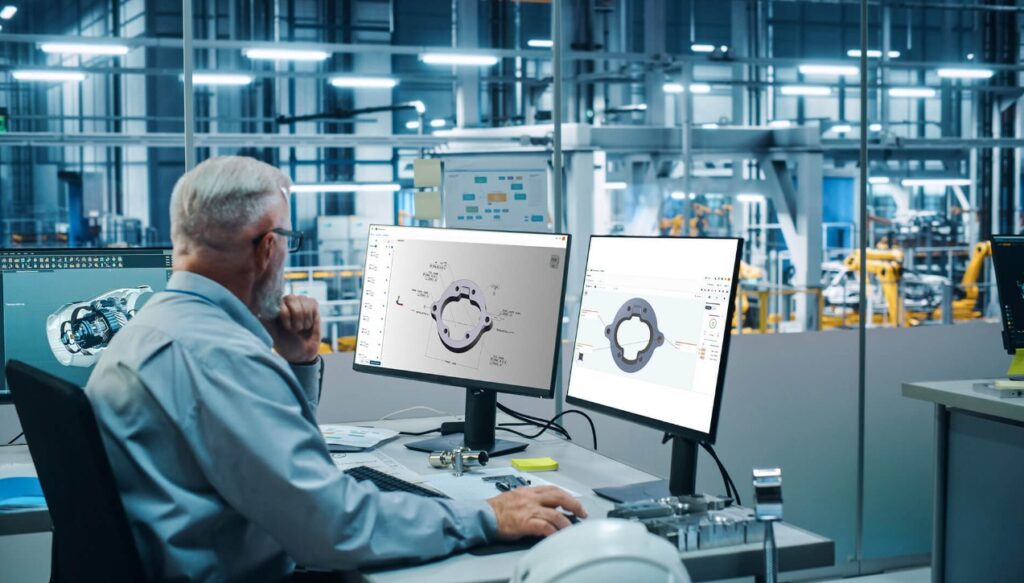
Metrology services are vital for achieving accuracy in manufacturing processes, enabling businesses to fulfill increasingly demanding standards for precision and quality. The direct correlation between accurate measurements and product quality significantly reduces defects while boosting customer satisfaction.
Businesses that engage metrology services can ensure compliance with industry standards. This compliance is critical for maintaining credibility and trust within the market. By utilizing accurate measurement techniques, organizations can effectively demonstrate their adherence to strict regulatory requirements, thereby mitigating potential penalties.
High-precision measurements are essential for solid quality control, preventing defects from reaching consumers and enhancing an organization’s overall quality reputation. Data derived from these precise measurements drives informed decision-making and fosters continuous improvements in production processes.
Furthermore, merging metrology with Industry 4.0 technologies allows for real-time monitoring and predictive maintenance. This facilitates nimble decision-making and boosts production efficiency. Having access to timely data enables manufacturers to swiftly optimize their operations, which in turn minimizes downtime.
Automation plays a significant role in refining measurement strategies. By reducing human error, it increases both consistency and throughput within manufacturing processes. The result? Automated measurements yield greater accuracy and shorter lead times, crucial for maintaining a competitive edge in fast-paced markets.
Investing in metrology services often leads to long-term cost savings via reduced expenses linked to defects, recalls, and material waste. Accurate measurements empower better demand forecasting and inventory management, contributing to overall operational efficiency.
Evaluating the return on investment (ROI) for metrology solutions involves assessing savings in labor, reductions in waste, and improvements in product quality. Organizations that thoughtfully analyze these metrics often discover the significant value embedded in their metrology investments.
Precision Redefined – How Metrology Services Boost Your Bottom Line
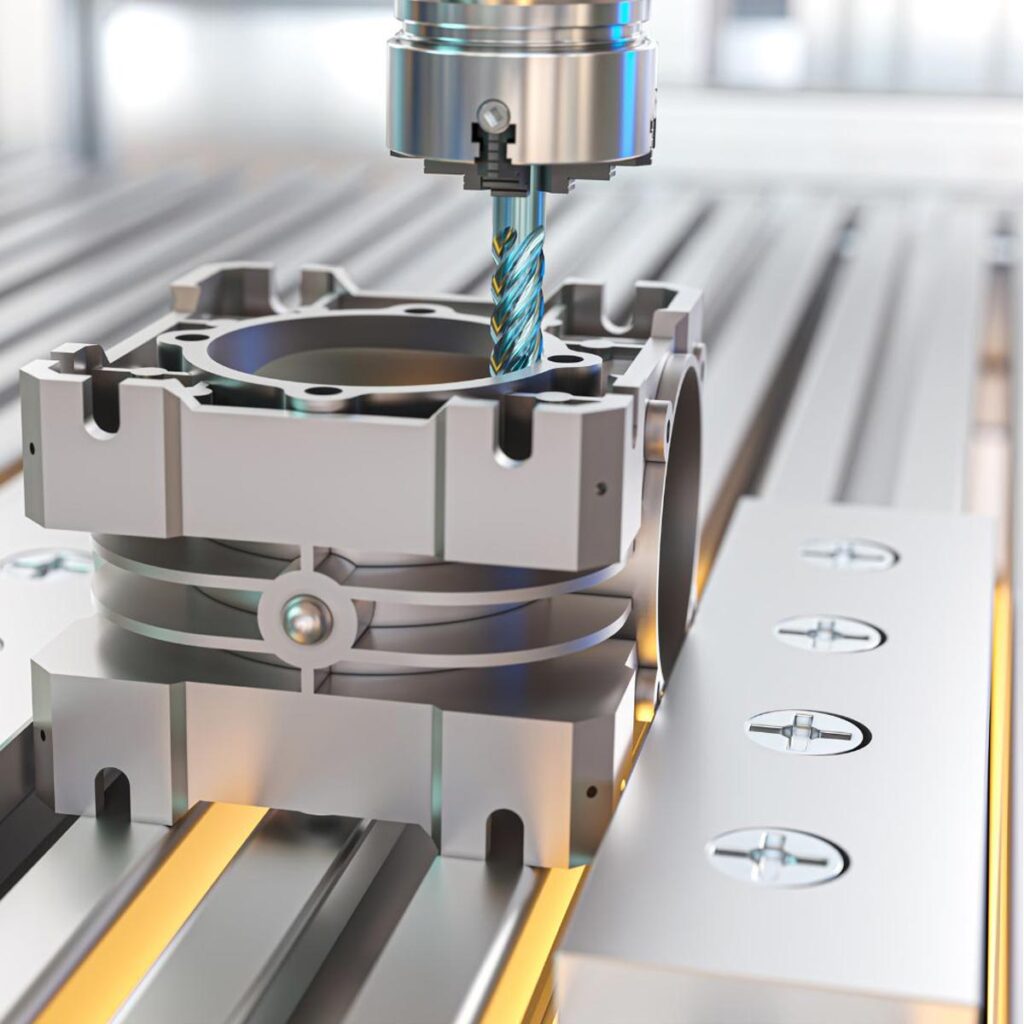
Discover True Accuracy in Manufacturing Processes
In today’s fiercely competitive landscape, true accuracy isn’t just desirable, it’s essential. Consumers expect utmost precision, pushing manufacturers to step up. Metrology services are central to embedding this precision in manufacturing. It all starts with grasping measurement techniques and identifying suitable tools for accurate outcomes. Various forms of metrology, be it dimensional, mechanical, or optical, allow a thorough examination of every production aspect.
What’s particularly interesting is the strong link between accurate measurements and product quality. When manufacturers implement stringent metrology practices, they can significantly mitigate defects. Consequently, fewer returns lead to heightened customer satisfaction, contributing to an improved bottom line. Though achieving accuracy typically requires investment in cutting-edge equipment and effective staff training, the returns on these investments make them worthwhile.
Enhancing Compliance with Industry Standards
Meeting industry standards is not merely a formality; it’s a vital component of upholding credibility and trust in the marketplace. Compliance largely relies on methods of accurate measurement. By adopting precise metrology services, businesses can easily showcase their adherence to these standards. Consider this: regulatory bodies often enforce rigorous guidelines regarding product specifications. Failing to comply can result in penalties and lasting reputational damage.
- ISO standards: A variety of industries demand compliance with ISO standards, necessitating exacting measures of quality.
- Regulatory compliance: Meeting governmental expectations for product quality can heavily influence market accessibility.
- Customer confidence: Demonstrating compliance strengthens brand integrity and instills confidence in clients.
By integrating metrology services into their operations, businesses position themselves as leaders in both compliance and quality, realizing both immediate and long-lasting benefits.
Unveiling the Secrets – Why Accurate Measurements Matter
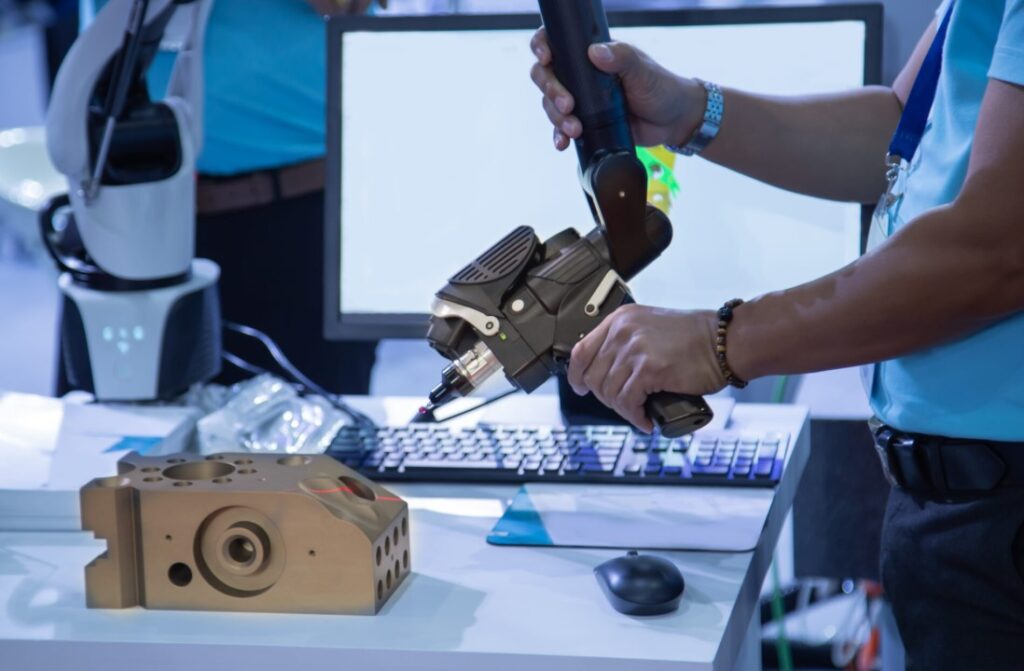
The Crucial Role of Metrology in Quality Control
Quality control is a relentless challenge. A product meets quality benchmarks only when measurements are taken and interpreted accurately. This is where metrology services come into play, providing essential tools and methodologies for rigorous quality assurance. Accurate measurements thwart defects from reaching consumers, thereby improving an organization’s overall quality standing.
The outcomes of precise measurements lead to impactful data analysis. Think of it in these terms: data extracted from high-quality measurements reveals insights that direct decision-making. Organizations can’t optimize production techniques based on flawed data, and these inefficiencies lead to waste. Continuous improvement relies heavily on precise measurement.
“Quality is never an accident; it is always the result of intelligent effort.” – John Ruskin
Investing in metrology services prepares organizations to undertake this intelligent effort. By emphasizing measurements as a priority, businesses can concentrate on fine-tuning their operations for maximum productivity.
Real-World Examples – Measuring Success Across Industries
Industries from aerospace to pharmaceuticals continuously depend on precise measurements to maintain a competitive edge. Various case studies illustrate this concept well.
- Aerospace industry: In aviation, even minor deviations may have serious implications. Metrology services guarantee that every component meets strict specifications, thereby promoting flight safety.
- Pharmaceuticals: Accurate measurements in drug formulation can be crucial for health outcomes. Even slight miscalculations could diminish a treatment’s effectiveness.
- Automotive sector: The automotive industry relies heavily on metrology services to confirm that every part, whether an engine or complex electronic components, adheres to high-quality standards.
These industries share one common belief: accuracy is the key to success. Organizations aware of this principle build robust reputations and cultivate consumer loyalty.
Future-Proofing Business – Metrology Services and Technological Advancements
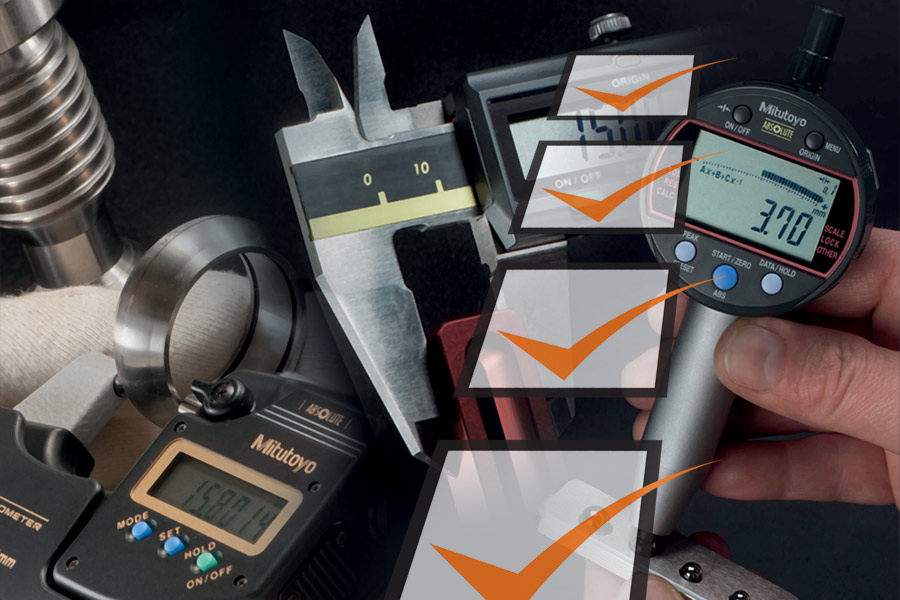
Integrating Metrology with Industry 4.0 Technology
Industry 4.0 is more than just a buzzword; it represents a significant evolution. Companies that embrace this shift often find themselves at the forefront of innovation. So how does metrology fit into this landscape? Quite seamlessly, actually. The integration of metrology services with Industry 4.0 technologies enables organizations to utilize data more effectively, leading to real-time monitoring and predictive maintenance of equipment.
Having access to timely, precise data empowers manufacturers to make quick, informed decisions. They can modify processes on the fly, reducing downtime and enhancing production efficiency. The Internet of Things (IoT) is pushing the boundaries of monitoring and data collection, continually expanding metrology services’ capabilities.
- Smart factories: Automated systems utilizing metrology ensure components consistently remain within tolerance limits.
- Real-time adjustments: Operations can be adjusted immediately based on real-time data analysis.
- Predictive maintenance: Organizations can identify potential issues proactively, maintaining consistent operational efficiency.
Combining automation with metrology creates pathways to higher productivity. As businesses face mounting pressures to deliver superior products faster, this synergy becomes increasingly vital.
How Automation Transforms Measurement Strategies
Automation serves as a foundational element for evolving measurement strategies, and metrology is no exception. With advanced scanning methods and automatic measurements, organizations can significantly cut down on human error. While many may still depend on manual techniques, the trend is shifting rapidly toward automation.
Automated systems perform measurements with unwavering precision, resulting in increased throughput and improved accuracy. Professionals understand that switching to automated measurements is essential for sustaining competitiveness in a rapidly changing market.
- Consistency: Automated measurements provide a level of consistency that manual processes often struggle to match.
- Data accuracy: These systems minimize human error, leading to more reliable data.
- Enhanced efficiency: In manufacturing settings, faster measurements translate to shorter lead times and greater production rates.
With a combination of automation and high-quality metrology services, businesses can achieve remarkable advantages, setting the stage for sustained growth and profitability.
Cost-Effectiveness through Metrology – Investing in Precision
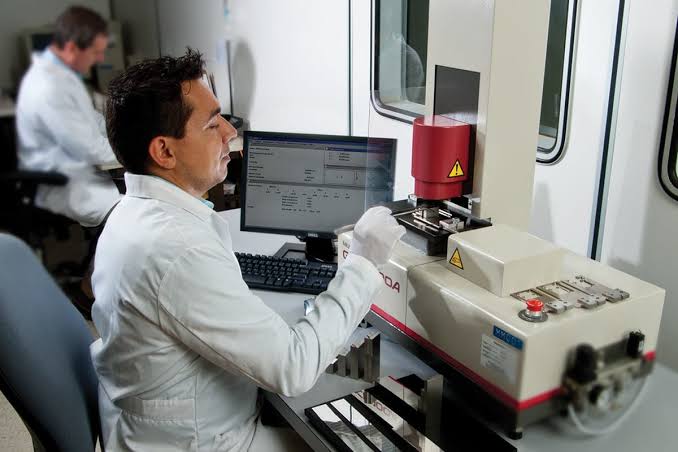
Achieving Long-Term Savings with Accurate Measurements
One of the most persuasive benefits of metrology services lies in their cost-effectiveness. When businesses commit to accurate measurements, they pave the way for considerable long-term savings. Just consider: costs tied to defects, recalls, and wasted materials can mount quickly. Accurate measurements help mitigate these expenses, allowing organizations to allocate their budgets more towards growth instead of rework.
Industries equipped with robust metrology capabilities can forecast demand more effectively, keep optimal inventory levels, and better meet customer needs without overproducing. Strong metrology practices enhance operational efficiency, which ultimately reflects positively on the financial bottom line.
“The most effective way to manage change is to create it.” – Peter Drucker
By fostering a culture of measurement and accountability, businesses encourage innovation while effectively managing costs.
Evaluating Return on Investment for Metrology Solutions
Assessing the return on investment (ROI) for metrology solutions extends far beyond a simple calculation. It encompasses various dimensions, including labor savings, waste reduction, improved product quality, and increased customer satisfaction. Clients that take a closer look at these metrics often discover the hidden value residing in their investments.
- Labor savings: Automation diminishes the workforce necessary for manual measurements, leading to significant financial savings.
- Waste reduction: Accurate measurements result in fewer defects, thus decreasing material waste.
- Improved quality: Enhanced quality lowers return rates and boosts customer retention.
The consequences of diligent measurement can be substantial. Organizations that invest wisely in metrology tend to see advantageous ripple effects throughout their operations.
Ultimately, metrology services lay the groundwork for accuracy and quality in manufacturing. By leveraging the myriad benefits discussed above, organizations not only elevate their accuracy but also create a pathway to a more prosperous future. Ongoing investment in metrology ensures businesses remain nimble and well-equipped to tackle any market challenges that arise.