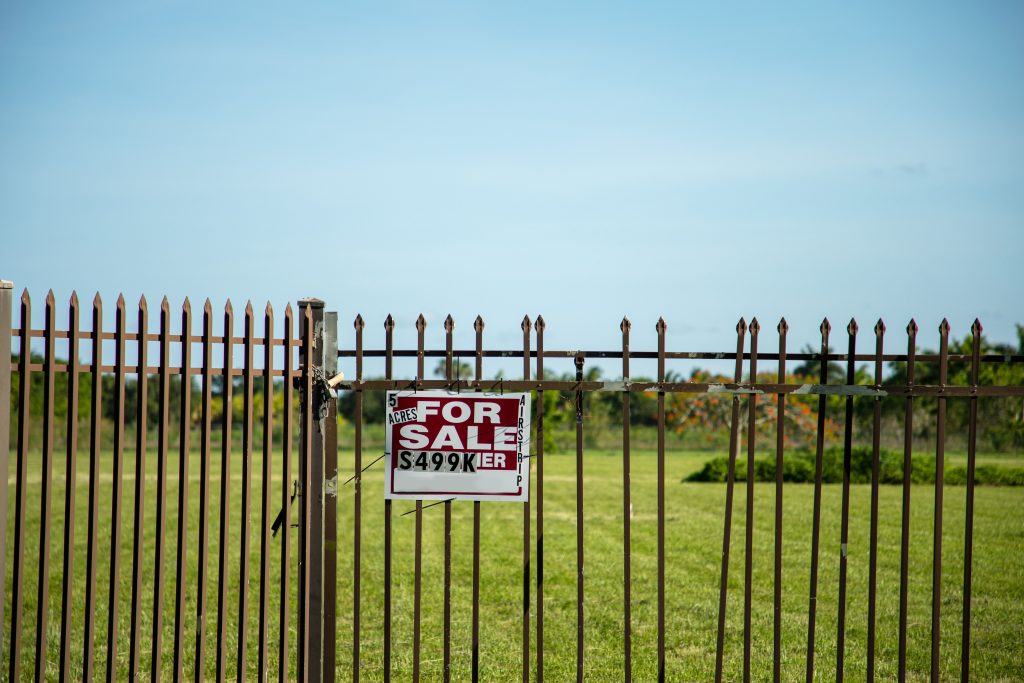
Yes, there are. Just because you purchase a residential plot in Florida doesn’t mean you can build any structure you choose. Rules are set by the state, the county, and sometimes your neighbors.
The great thing is that these rules are quite simple to follow once you know where to start.
Below, we discuss what determines what you can build on residential land.
Zoning rules
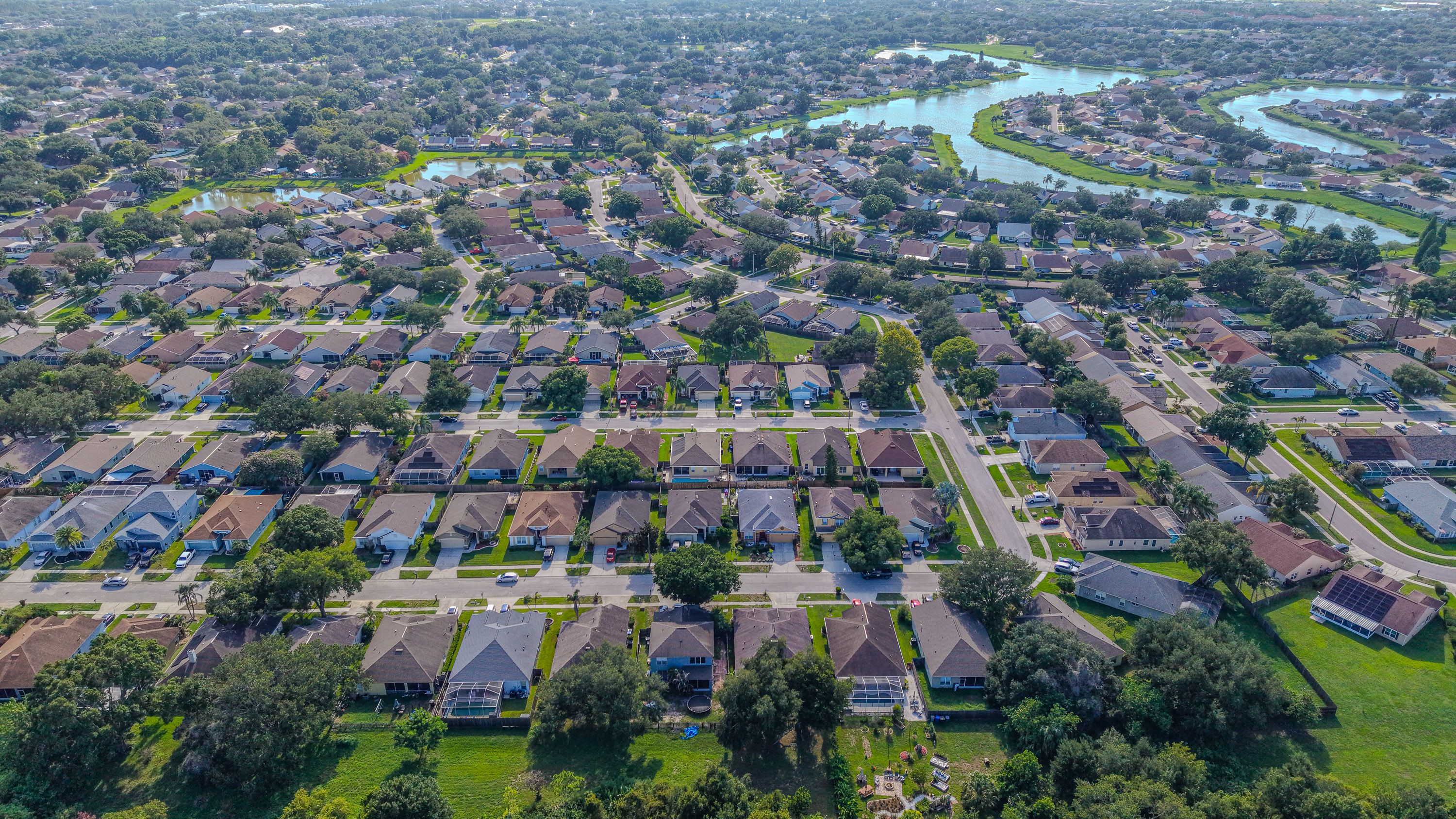
The first thing to look at is zoning. Each county or city establishes a zoning ordinance. It determines the permitted uses of a property. These regulations are local and vary from one location to another.
Zoning often covers:
- The type of housing permitted, e.g., single-family housing
- The size of the house itself
- How far it should be away from the property line
- Certain restrictions on sheds, fences, and additional structures
- Whether you can place a mobile home or tiny home
Many inquiries regarding Residential Land For Sale Florida often fall under zoning conditions. Some county offices explicitly state this on their websites. In addition, some zoning departments have very specific regulations, even for things like filling dirt and power poles on empty lots.
Always check with the local planning or zoning department before buying. Don’t take the seller’s or ad’s word for it.
The Florida building code
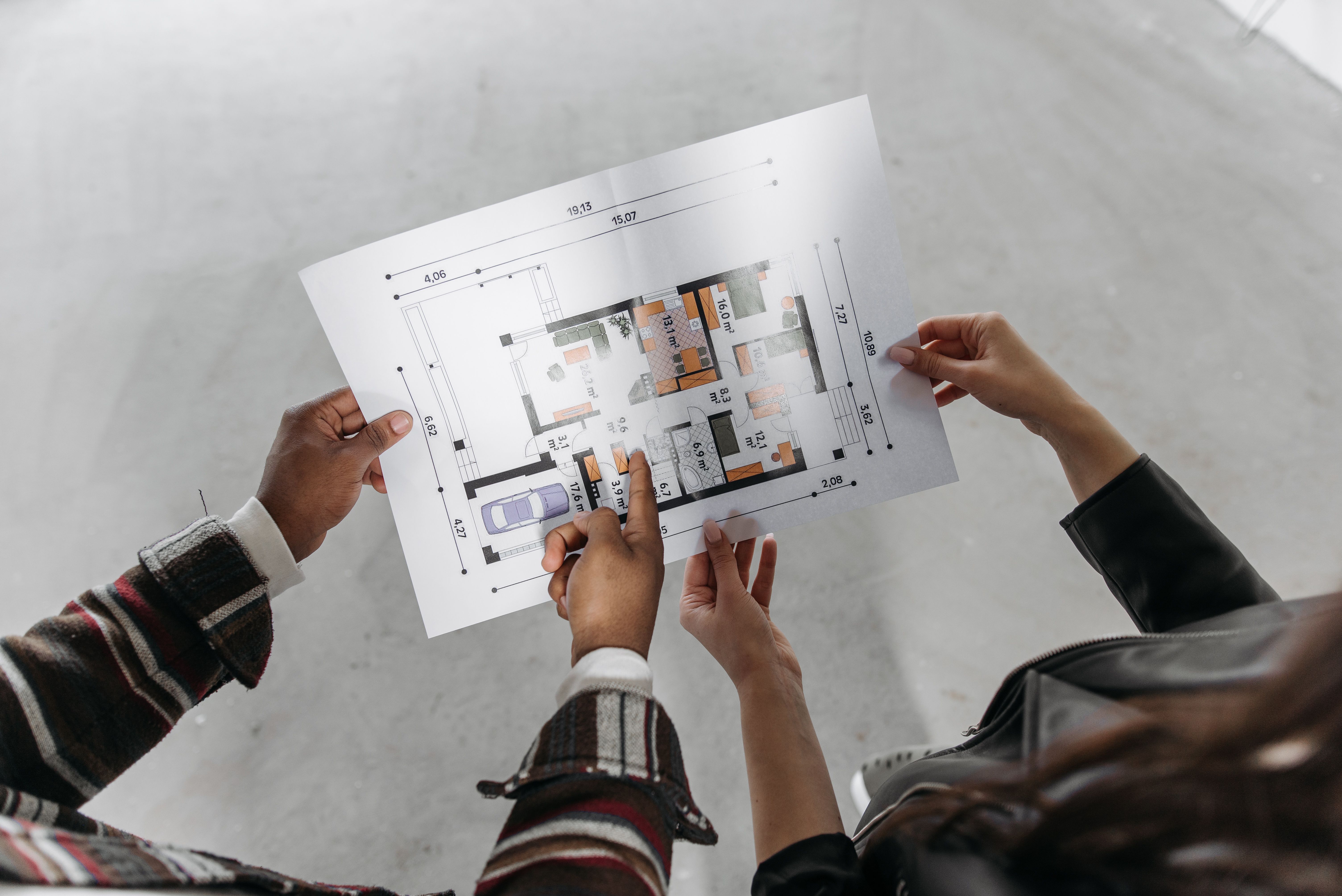
Florida has a building code that applies throughout the state. It applies to every home, from Miami to the Panhandle. It was designed to provide safer homes, particularly during hurricanes.
This code covers aspects such as:
- Walls
- Roofs
- Windows
- Electrical
- Plumbing
Even homes with an unusual design, like barndominiums, are not exempt.
Your home plan must be compliant with these safety guidelines before you get a permit. A licensed builder or designer will be able to assist you with this.
Building permits
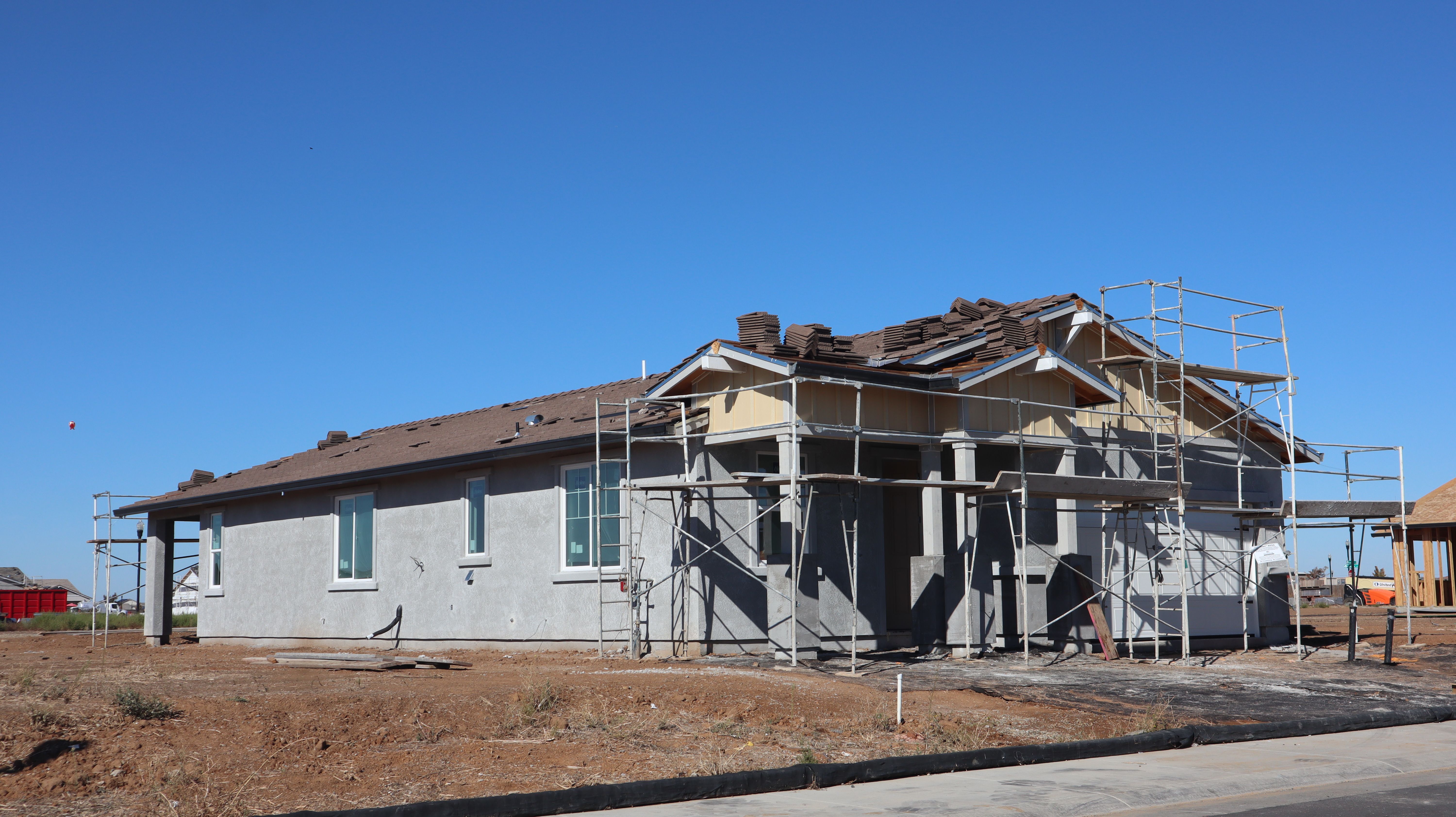
Building projects in most cases require a permit. A permit is a formal authorization by the local building department. They also conduct inspections to ensure the work is carried out properly.
Rules vary by county. For example, Columbia County requires a permit for any project over $5,000. Zoning approval may also be required for some smaller items such as fences and sheds.
Structures built without a legal permit may be subject to:
- Fines
- Stop-work orders
- Requirements to redo the work
This can also create problems when selling the property.
Flood zone rules
Some parts of Florida are in a flood zone. You can check a property’s zone on the FEMA flood map online. It is free.
If your land is in a flood zone, you may have additional rules. The first floor of a house in several areas needs to be 1 foot higher than the base flood elevation. That may involve lifting the home, which is another expense.
Flood rules may also impact insurance. Request a price up front to avoid surprises.
Septic and water
Not all lots are connected to city water, sewer. If this is the case, you likely will need to install a well and septic system.
A septic system must be approved by the health department. The land has to meet some criteria, and lot size may be an important factor.
Other county offices add that if the water and sewer are not present, a permit from the county health department is required for well and septic permits.
If the lot fails a septic test, it may not be suitable for construction. Do not pay for empty land until you have reviewed this.
HOA and deed restrictions
The county may agree. But a homeowners association or deed restriction can still say no.
These rules are confidential. They might restrict:
- Home dimensions
- Paint shades
- Fence type
- Even the type of home
Some of them require approval of your plan in advance.
The local building offices do not enforce HOA regulations. Columbia County points out that approval by building and zoning institutions does not ensure adherence to deed restrictions or HOA rules.
Request a copy of the rules before purchasing.
Wetlands and protected areas
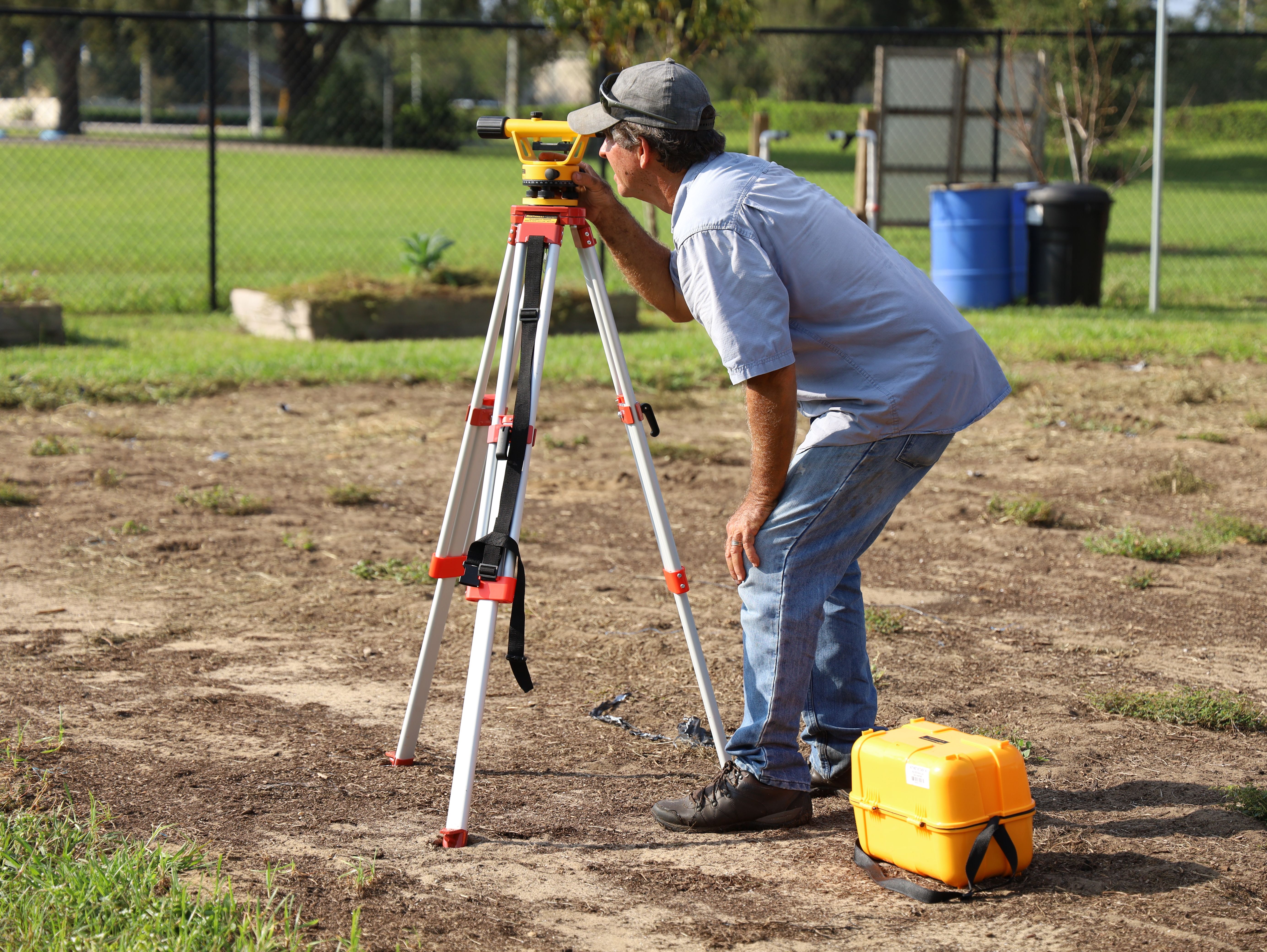
There are protected areas on some land. Building on them can be limited. In some cases, it is not allowed. Some of the features of wetlands include:
- A wet ground
- Standing water
- An abundance of cypress trees
Have a county or land professional inspect the land before you buy.
Lot access
There should be a legal way to get to the land. It could be a road or a recorded easement. A driveway permit may be required in some counties as well.
When exploring Discount Lots, inquire about land access. Without legal access, you may not even be able to obtain a building permit.
The takeaway
You can’t just build anything on your residential land in Florida. It has to meet the state’s building codes and HOA rules if applicable. These regulations are in place to ensure safe homes and functional neighborhoods.
If you check them first, you will save yourself unwanted surprises. You can begin with the county, then read all HOA documents and, if possible, consult a title company or local builder.