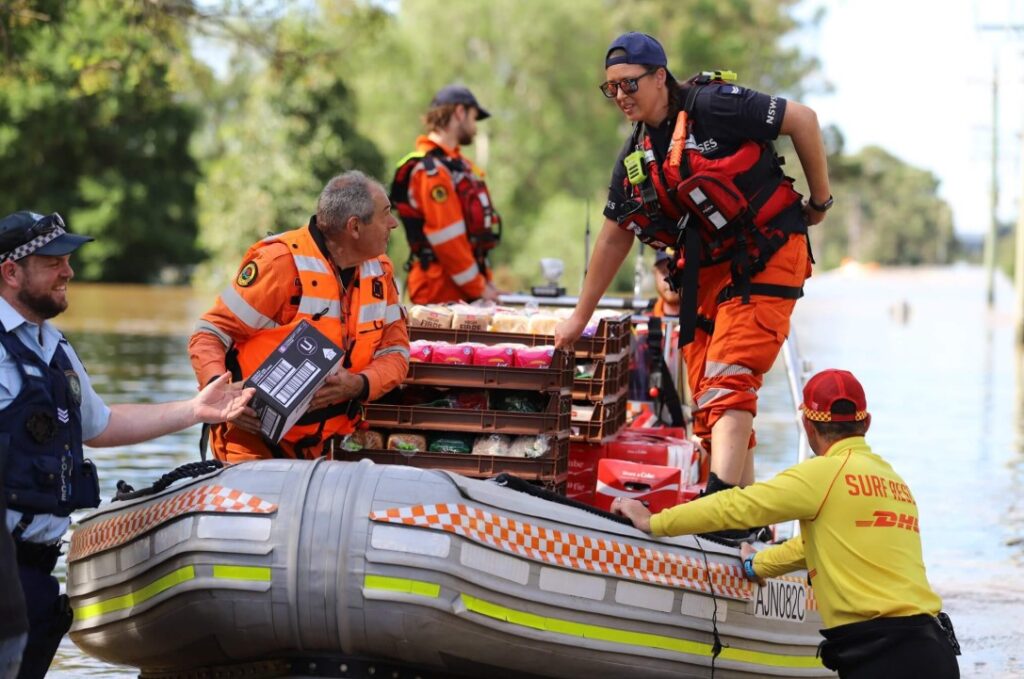
When a tragedy occurs whether it’s a violent crime, an accident, or an unattended death, the immediate response typically involves first responders, law enforcement, and medical personnel. These professionals focus on saving lives, securing the scene, and conducting investigations. But once the police tape is removed and investigators leave, another critical question arises: who restores the affected environment?
This is where professional biohazard cleanup specialists step in. Companies like Aftermath Services perform a vital yet often overlooked role in helping families, businesses, and communities recover after traumatic events. Their work goes far beyond ordinary cleaning; it requires specialized training, protective equipment, and a compassionate understanding of the difficult circumstances clients face.
While the profession rarely receives public attention, it represents an essential intersection of public health, safety, and emotional support.
What Happens After the Investigation Ends?
Television dramas often portray crime scenes as places that return to normal once investigators gather evidence and close their case. In reality, the aftermath of a traumatic event can leave behind serious health hazards.
Blood, bodily fluids, and other biological materials can carry infectious diseases such as hepatitis or HIV, making professional handling and decontamination essential. Cleaning these substances safely requires specialized knowledge and strict safety protocols.
Importantly, law enforcement agencies do not clean crime scenes themselves. Their responsibility is limited to investigation and evidence collection. The task of removing biohazards and restoring the affected environment typically falls to property owners, who must hire trained professionals to complete the work safely.
For families dealing with grief or shock, facing the responsibility of cleanup can be overwhelming. Professional biohazard remediation companies provide both technical expertise and compassionate assistance during one of the most difficult moments a person may experience.
The Emergence of a Specialized Industry
The professional crime scene cleanup industry is relatively young. Until the early 1990s, the responsibility for cleaning up after violent incidents or accidents often fell to property owners themselves. Over time, however, public health concerns and growing awareness of biohazard risks led to the development of specialized cleanup services.
Today, trauma cleanup is a recognized field involving trained technicians who understand biological hazards, regulatory compliance, and environmental safety standards.
Among the most prominent organizations in this sector is Aftermath Services, a company founded in 1996 that specializes in trauma scene cleaning and biohazard remediation. The company has grown to serve communities across the United States and has been recognized as a pioneer in its field.
Its technicians respond to a wide range of situations from homicides and suicides to accidents and hazardous contamination helping restore spaces so families and communities can begin to heal.
What Aftermath Services Actually Does
Despite the name “crime scene cleanup,” the work performed by trauma remediation specialists extends far beyond criminal incidents. The field encompasses a broad category known as biohazard remediation, which involves safely removing and disinfecting potentially infectious materials.
Professionals in this industry handle situations such as:
- Homicide or suicide cleanup
- Unattended death cleanup
- Blood and bodily fluid remediation
- Industrial or workplace accidents
- Hoarding and extreme contamination situations
- Tear gas residue removal
- Infectious disease decontamination
Companies like Aftermath Services operate 24 hours a day, providing emergency response to residential homes, businesses, vehicles, and public spaces affected by traumatic incidents.
Each scenario presents unique challenges that require careful assessment and specialized cleaning procedures.
The Science Behind Biohazard Cleanup
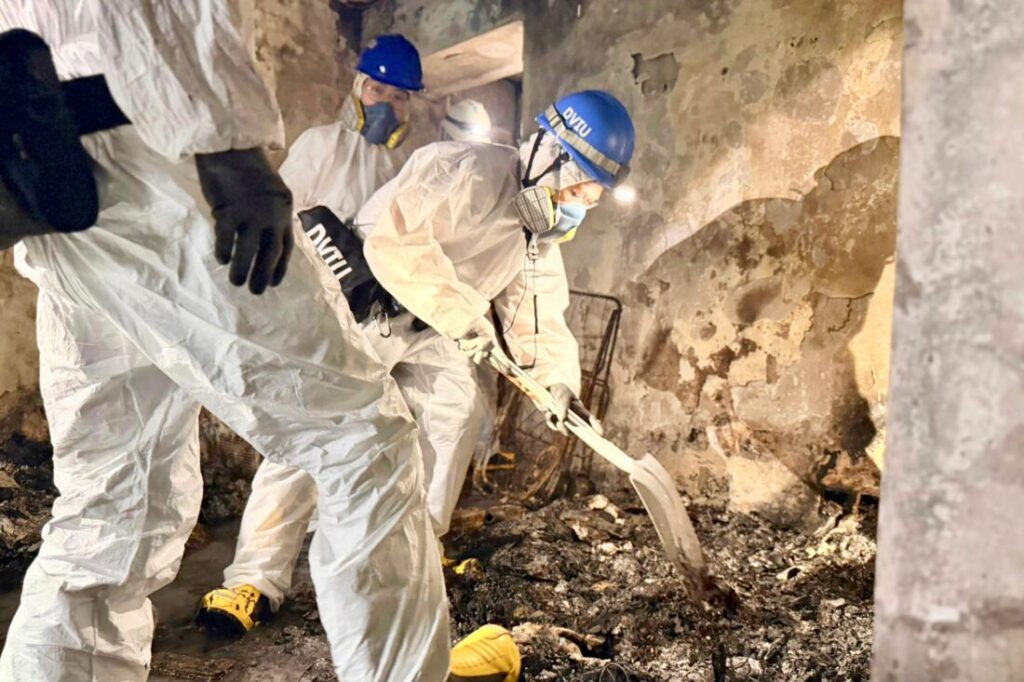
Trauma cleanup is far more complex than traditional janitorial work. Technicians must follow strict safety protocols to protect both themselves and the public from exposure to potentially dangerous pathogens.
The process typically includes several steps:
1. Scene Assessment
Cleanup professionals begin by assessing the scope of contamination and identifying areas that may be affected by biological materials. Blood and fluids can seep into porous surfaces such as carpets, flooring, or furniture, requiring thorough inspection.
2. Hazard Containment
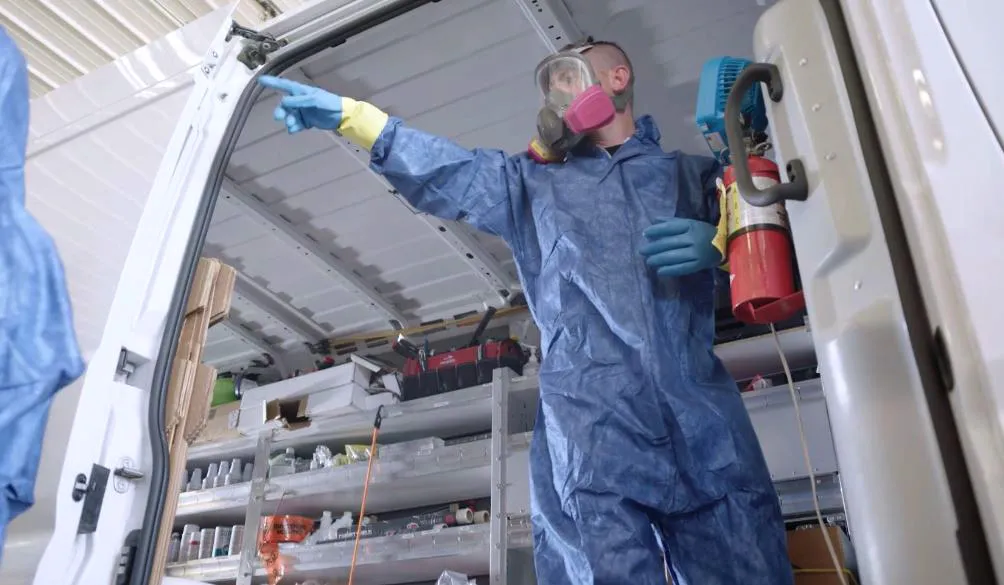
Before cleanup begins, technicians establish containment zones to prevent cross-contamination. Personal protective equipment (PPE) including respirators, protective suits, gloves, and eye protection, is mandatory.
3. Removal of Contaminated Materials
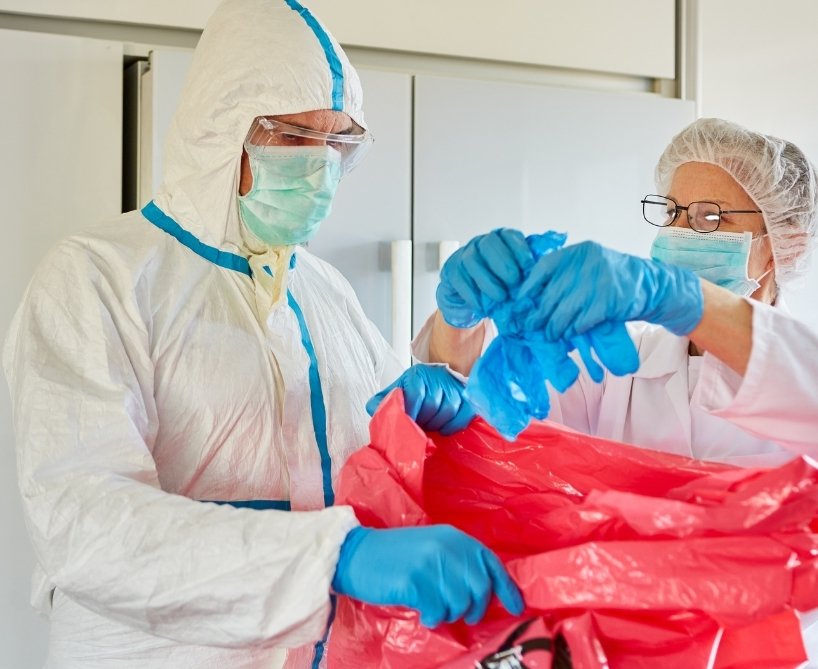
Certain items, such as heavily saturated furniture or flooring, may need to be removed entirely and disposed of according to biohazard waste regulations.
4. Disinfection and Decontamination
Industrial-grade disinfectants and specialized cleaning agents are used to neutralize pathogens and eliminate odors. Companies like Aftermath Services even develop proprietary cleaning solutions designed specifically for biological contaminants.
5. Restoration
The final stage involves restoring the affected area to a safe and habitable condition, allowing families or businesses to return without health concerns.
These procedures must comply with environmental and public health regulations governing hazardous waste handling.
Compassion as a Core Part of the Job
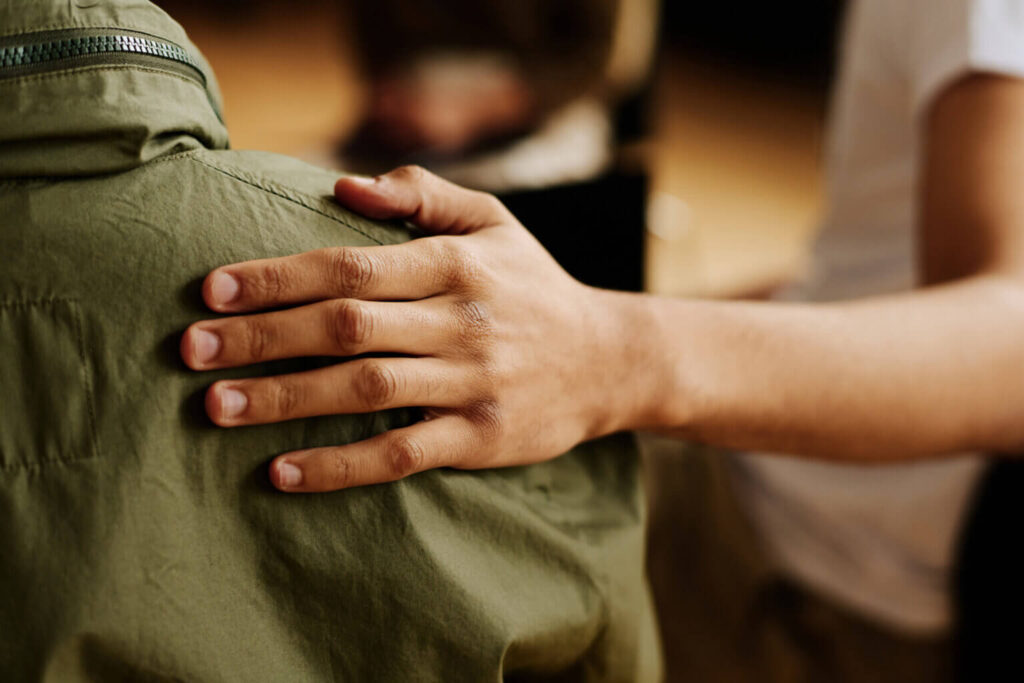
Beyond the technical demands, trauma cleanup professionals must also possess exceptional emotional intelligence. They frequently interact with individuals experiencing profound grief, shock, or trauma.
For many clients, the arrival of cleanup technicians represents the first step toward emotional recovery. Removing visible reminders of a tragedy can help families begin to process their loss and move forward.
Professionals in the field often describe their role not simply as cleaners, but as restorers of dignity and safety.
This aspect of the work requires sensitivity, discretion, and respect for the privacy of those affected.
The Psychological Challenges of the Profession
Working in trauma remediation is not without emotional challenges. Technicians regularly encounter scenes that are both physically demanding and psychologically difficult.
Many companies provide specialized training and support systems to help workers cope with the emotional impact of their work. Peer support, counseling services, and structured decompression routines are often part of maintaining mental health within the profession.
Despite these challenges, many professionals describe their work as deeply meaningful. Helping families navigate devastating circumstances can provide a powerful sense of purpose.
Public Health and Community Safety
Biohazard cleanup is not only about restoring individual properties, it also plays an important role in protecting public health.
Biological contaminants left untreated can pose risks to residents, emergency personnel, and future occupants of a building. Proper decontamination prevents the spread of pathogens and ensures environments remain safe for human use.
This work becomes particularly important in situations involving infectious disease outbreaks, industrial accidents, or environmental contamination.
By applying scientific cleaning methods and adhering to strict safety standards, trauma remediation companies help reduce health risks in communities nationwide.
Technology and Innovation in Cleanup
Like many industries, biohazard remediation has evolved with advances in technology. Modern cleanup teams rely on tools and techniques that enhance both safety and effectiveness.
Examples include:
- ATP testing systems that detect biological contamination
- Advanced disinfectants and enzyme-based cleaners
- Industrial air filtration systems
- Ozone or hydroxyl generators for odor removal
- Thermal fogging and antimicrobial treatments
These technologies allow technicians to eliminate invisible contaminants and restore spaces more effectively than traditional cleaning methods.
Innovation continues to shape the field as companies invest in better equipment, training, and safety procedures.
The Human Impact of Restoration
While the work of trauma cleanup professionals may remain largely unseen, its impact on individuals and communities is profound.
Consider the experience of a family returning home after an unimaginable tragedy. Without professional assistance, they might face the traumatic task of cleaning the environment themselves. The psychological burden of such a task could be overwhelming.
Professional cleanup teams relieve families of this responsibility, allowing them to focus on healing rather than confronting the physical aftermath of a traumatic event.
In this sense, companies like Aftermath Services provide not just sanitation, but a form of compassionate crisis support.
Looking Ahead – A Growing Need for Specialized Services
As awareness of biohazard risks grows, the demand for professional trauma cleanup services continues to expand.
Urbanization, increased public health awareness, and evolving safety regulations have all contributed to the development of a more organized and professional industry. Training programs and certification standards are becoming more common, helping ensure consistent quality and safety.
At the same time, the work remains deeply human. Behind every cleanup job is a story of loss, crisis, or unexpected tragedy.
Professionals in the field must combine scientific knowledge with empathy, technical skill with compassion.
Conclusion
In the aftermath of traumatic events, society often focuses on first responders and investigators. Yet once their work concludes, another group quietly steps in to complete the recovery process.
Biohazard remediation professionals, including companies such as Aftermath Services, play an essential role in restoring safety, dignity, and peace of mind after tragedy. Through specialized training, advanced technology, and compassionate care, they transform spaces marked by crisis into environments where healing can begin.
Their work may take place behind the scenes, but its impact is profound. By protecting public health and supporting grieving families, these professionals embody an often overlooked truth: recovery begins not only with justice or medical care, but also with restoration.