

Workers compensation is a form of insurance designed to provide financial support to employees who suffer job-related injuries or illnesses. In New York, this system exists to ensure that workers receive medical care and compensation for lost wages without the necessity of proving fault, thereby creating a safety net for those injured on the job.
However, workers compensation is often misunderstood. Many believe it merely serves as a temporary solution for medical bills and lost income; however, it encapsulates a broader range of protections including rehabilitation services and even benefits for dependents of workers who may be killed due to their work. In essence, workers compensation is both a system of benefits and a means to promote workplace safety, as it holds employers accountable for ensuring a safer working environment.
Eligibility Criteria: Are You Covered in the Empire State?

Eligibility for workers compensation in New York hinges on several factors. To qualify, an employee must be an employee (as opposed to an independent contractor), be working for an employer within the state, and have been injured or become ill due to their job.
Importantly, the injury must occur within the scope of employment; this includes injuries that occur on the job site, while traveling for work, or as a result of job-related stress. If your employer has four or more employees, you are typically covered by the state’s workers compensation laws.
Certain types of employment, such as those for domestic workers or agricultural workers, have unique coverage stipulations. Furthermore, idiosyncratic factors, such as pre-existing conditions exacerbated by job duties, can also influence eligibility.
The Claims Process: Navigating Your Way to Compensation
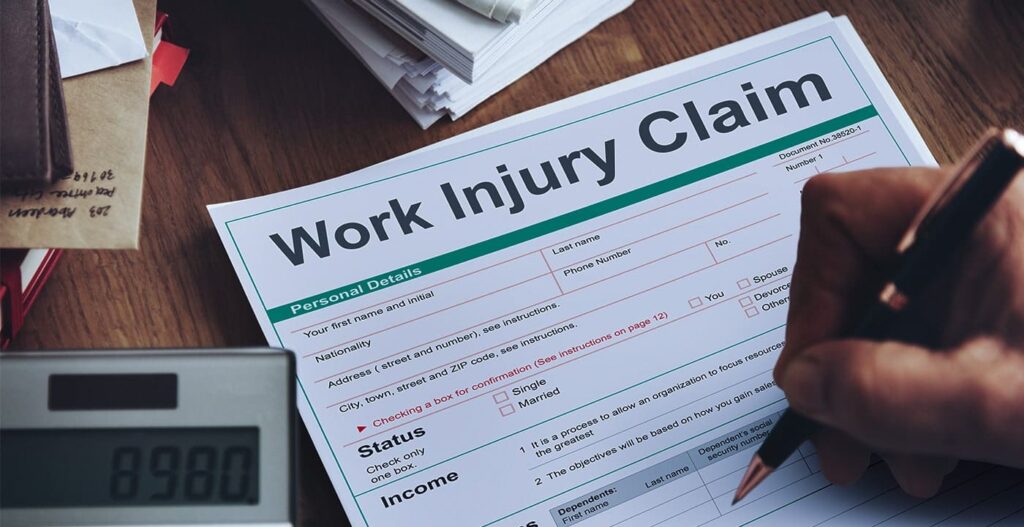
Filing a workers compensation claim in New York can be multifaceted, but understanding the various steps involved can simplify the journey. Initially, the injured worker must report the incident to their employer as soon as possible, typically within 30 days, although formal claims can be filed for up to two years thereafter under most circumstances.
After reporting, the employer is obligated to submit a claim form to their insurance carrier, who then has 14 business days to acknowledge the claim and investigate it. Within that period, workers should also seek medical attention to document the injury and establish a treatment plan.
If the claim is accepted, benefits typically include coverage for medical expenses, partial wage replacement, and rehabilitation costs. However, if you face a denial, appealing that decision can involve hearings and legal representation, underscoring the importance of understanding every stage of the claims process.
Common Misconceptions: Debunking Workers Compensation Myths
Myth-Busting: The Truth Behind Common Misconceptions
Several myths surround workers compensation, and dispelling these can significantly alter a claimant’s approach to their situation. A prevalent misconception is that workers compensation claims are excessively fraudulent or that employers will resultantly dismiss claims more often due to this belief.
In reality, while there are cases of fraud, they represent a tiny fraction of overall claims. Most workers who file claims are legitimate employees seeking necessary care and replacement wages for genuine injuries.
Another myth posits that receiving workers compensation benefits is an admission of weakness or malingering, which can deter employees from filing. It’s essential to understand that these benefits are not a personal failure; rather, they are a necessary entitlement designed to support individuals during difficult recovery periods.
Workers Compensation vs. Personal Injury Claims: Understanding the Differences

It is crucial to differentiate between workers compensation claims and personal injury lawsuits. Workers compensation is a no-fault system designed to provide benefits quickly and efficiently, whereas personal injury claims require proving negligence on the part of another party.
While workers compensation benefits may compensate for medical expenses and lost wages, personal injury claims can also cover pain and suffering, emotional distress, and punitive damages, leading to potentially higher compensation amounts. However, personal injury claims must be pursued against third parties, such as co-workers or contractors, which complicates the process significantly.
Understanding which route to take can dramatically change the outcome for those injured in workplace incidents, as navigating between these two can be intricate yet vital.
What Happens if You Get Fired After Filing a Claim?
The fear of retaliation can inhibit workers from filing claims. However, under New York law, it is illegal for employers to retaliate against employees for exercising their rights to file a workers compensation claim. If an employee is terminated after filing a claim, they may still be eligible for benefits.
Moreover, they may have legal grounds to pursue an additional claim against their employer for retaliatory discharge. An employee who believes they have been wrongfully terminated should gather documentation related to both their employment and the injury, alongside any communication with the employer regarding the claim. Consulting with an attorney specializing in labor law can provide valuable guidance in such situations.
Managing Your Claim: Strategies for Success

Essential Documentation: What You Should Gather and Why
Proper documentation is paramount in the realm of workers compensation. Essential documents include incident reports, medical records, wage statements, and any communication with both supervisors and insurance companies.
When compiling medical evidence, it is beneficial to obtain detailed medical reports from healthcare providers that specify the nature of the injury, recommended treatment plans, and prognosis.
Keeping a record of all expenses related to the injury including medical bills, transportation to appointments, and out-of-pocket costs can reinforce your claim. Additionally, raising any discrepancies or issues with your employer or insurance adjuster promptly can prevent future disputes and enhance the credibility of your claim. In essence, thorough, organized documentation supports your case and increases the likelihood of a satisfactory outcome.
Dealing with Insurance Companies: Tips for Effective Communication

Interacting with insurance companies can often be a daunting experience. Claimants must recognize that insurance adjusters may conduct investigations aimed at minimizing payouts. Therefore, it is crucial to communicate clearly and effectively while remaining honest throughout the process.
When discussing your claim, avoid admitting fault or speculating about the circumstances surrounding your injury. Make it a habit to document every interaction date, time, whom you spoke with, and the nature of the discussion.
This creates a reference point in case disputes arise. Educate yourself on your rights as a claimant and the benefits that should be provided under the New York State Workers Compensation Law, as this knowledge will empower you during negotiations. Seek assistance should you find the communications overwhelming; having an advocate can help ease the process.
The Role of Legal Representation: Is Hiring an Attorney Worth It?
While hiring an attorney may seem like an unnecessary expense, it could prove beneficial in numerous scenarios, particularly in more complex claims or denials. Attorneys specializing in workers compensation can provide in-depth knowledge of the laws, assist in gathering the requisite documentation, and offer representation during hearings or disputes.
Moreover, they can negotiate with insurance companies to secure a fair settlement. Given that claims can sometimes take months or even years to resolve, an attorney can alleviate the burden of managing a claim, allowing the injured worker to focus on recovery.
Ultimately, the initial investment in legal counsel may yield a considerably higher compensation package, underscoring the value of expert guidance.
Post-Injury Recovery: Life After Workers Compensation

Returning to Work: Navigating the Transition
Returning to work after an injury can evoke a mix of relief and anxiety. Employers have a duty to create a safe environment for returning employees, which may include accommodations or gradual reintegration into the workplace.
Communication between the employer and employee regarding capabilities and limitations is essential to ensure a smooth transition. It’s crucial for the injured worker to be proactive in discussing any accommodations needed or potential modifications to their role.
Moreover, understanding the implications of returning to work while still undergoing treatment can impact the benefits received under workers compensation. Engaging with vocational rehabilitation services can also aid in easing this transition, guiding employees on the best practices for reintegrating into a workplace following an injury.
Long-Term Impacts: Understanding Vocational Rehabilitation

Vocational rehabilitation plays a critical role in the recovery process, particularly for those who may not be able to return to their previous position due to their injuries. This service facilitates training programs and job placement assistance aimed at transitioning the worker into new employment opportunities that align with their current capabilities.
It’s not uncommon for individuals to encounter challenges in finding suitable work after an injury, making vocational rehabilitation services a vital component. By evaluating existing skills, identifying transferable skills, and potentially facilitating new training or education, these programs expand employment prospects. Additionally, for those dealing with chronic conditions stemming from their injuries, ongoing support services become essential in promoting long-term independence and quality of life.
Staying Informed: Keeping Up with Changes in Workers Compensation Laws
The landscape of workers compensation laws is continually evolving, influenced by changes in policy, case law, and statewide regulations. Staying informed about these changes is crucial for employees and employers alike.
Regularly reviewing state and federal workers compensation resources, attending seminars, or joining professional organizations can bolster understanding of legal rights and obligations.
Websites such as the New York State Workers Compensation Board offer valuable insights into recent developments, legislative changes, and guidance for both employees and employers.
Furthermore, subscribing to newsletters or following industry experts on social media can ensure that you receive timely updates and resources related to ongoing developments in the field. By remaining proactive and informed, individuals can better navigate the complexities of workers compensation, ensuring they protect their rights and access the benefits they deserve.