

Male fertility is not determined by a single number or test result. It reflects a combination of sperm count, sperm movement, shape, DNA integrity, and hormonal signals that regulate production. These processes are sensitive to lifestyle, nutrition, sleep, and environmental exposure, often months before conception is attempted.
Male fertility is closely tied to everyday habits rather than isolated medical markers. Sperm quality reflects how the body manages inflammation, oxidative stress, hormonal signaling, and nutrient availability over time.
Men who take a long-term approach and focus on stabilizing these systems often see more reliable progress than those chasing quick fixes. Many start by looking for practical ways to improve male fertility through consistent lifestyle choices that support overall metabolic and hormonal health, which tend to influence reproductive outcomes naturally.
Key contributors include:
- Hormonal balance between testosterone and estrogen
- Testicular temperature regulation
- Oxidative stress and inflammation levels
- Nutrient availability for sperm production
When these factors improve together, fertility markers often follow.
A Practical Overview of Fertility-Supportive Habits
| Area | Why It Matters | Time to Notice Change |
| Nutrition | Protects sperm DNA and motility | 8 to 12 weeks |
| Sleep | Regulates testosterone production | 2 to 6 weeks |
| Exercise | Improves metabolic and hormonal balance | 4 to 8 weeks |
| Stress control | Reduces cortisol interference | 3 to 6 weeks |
These timelines reflect biological processes rather than quick fixes. Patience and consistency remain essential.
1. Nutrition Choices That Support Sperm Health Over Time

Sperm cells are among the most sensitive cells in the body. They are highly vulnerable to oxidative damage, which means diet plays a critical role in protecting quality and structure. Diets high in processed foods, refined sugars, and industrial fats tend to increase inflammation and reduce sperm motility.
A fertility-supportive diet emphasizes whole foods that provide antioxidants, minerals, and healthy fats. These nutrients support DNA integrity and cellular energy production during sperm development, which takes roughly 70 to 90 days.
Core nutritional priorities include:
- Zinc-rich foods such as eggs, pumpkin seeds, and lean meats
- Omega-3 fats from fatty fish, walnuts, and flaxseed
- Antioxidant-rich fruits and vegetables, especially berries
- Adequate protein from varied, minimally processed sources
Consistency matters more than perfection. Gradual dietary shifts sustained over months tend to produce measurable changes.
2. Body Weight, Metabolism, and Hormonal Balance

Excess body fat affects fertility through hormonal disruption rather than mechanical factors. Fat tissue increases estrogen conversion, which can suppress testosterone production and impair sperm development. At the same time, being significantly underweight may also disrupt reproductive hormones.
Improving metabolic health supports fertility even without dramatic weight loss. Regular movement, stable blood sugar, and reduced inflammation all contribute to a more favorable hormonal environment. The goal is balance, not extremes.
Practical focus areas include:
- Maintaining steady meal timing to stabilize insulin
- Combining strength training with moderate cardio
- Avoiding crash diets or prolonged fasting
- Prioritizing long-term metabolic health over short-term weight goals
Small improvements in body composition often correlate with improved sperm parameters within a few months.
3. Sleep Quality and Its Direct Impact on Sperm Production

Sleep is one of the most underestimated fertility factors. Testosterone production follows a daily rhythm, with peak secretion occurring during deep sleep cycles. Chronic sleep deprivation disrupts this rhythm and reduces overall hormone output.
Men who consistently sleep fewer than six hours per night often show lower sperm concentration and reduced motility. Sleep also regulates cortisol, the stress hormone that interferes with reproductive signaling when chronically elevated.
To support fertility through sleep:
- Aim for seven to eight hours of consistent sleep
- Maintain a regular sleep and wake schedule
- Reduce screen exposure before bedtime
- Keep the sleep environment cool and dark
Improving sleep quality alone has been shown to positively influence hormonal markers tied to fertility.
4. Physical Activity That Helps Without Overdoing It
Exercise supports fertility when it improves circulation, insulin sensitivity, and hormonal balance. However, excessive endurance training or overtraining can have the opposite effect by increasing oxidative stress and suppressing testosterone.
The most fertility-friendly activity patterns focus on moderation and recovery. Strength training, walking, cycling at moderate intensity, and flexibility work all contribute to better metabolic health without overwhelming the system.
Helpful movement guidelines:
- Strength training two to four times per week
- Daily low-intensity movement such as walking
- Avoiding excessive heat exposure during workouts
- Scheduling rest days to support recovery
Physical activity should leave the body energized rather than depleted, especially when fertility is a priority.
5. Environmental and Heat Exposure Risks Often Overlooked
Sperm production is highly temperature-sensitive. Prolonged exposure to heat can impair sperm quality, sometimes for several months. Modern habits often increase heat exposure without awareness.
Common contributors include tight clothing, frequent sauna use, long hot baths, and extended laptop use on the lap. Occupational exposures to chemicals and heavy metals also play a role.
Simple protective steps include:
- Choosing loose-fitting underwear and clothing
- Limiting sauna and hot tub sessions
- Avoiding placing laptops directly on the lap
- Minimizing exposure to industrial chemicals
Reducing heat and toxin exposure creates a more stable environment for healthy sperm development.
6. Stress, Cortisol, and Reproductive Hormones
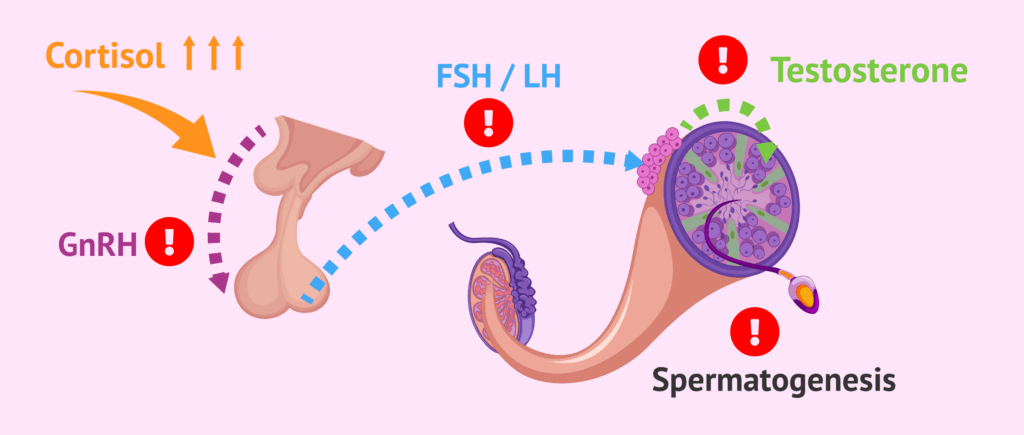
Chronic stress does not just affect mood, it alters reproductive signaling at the hormonal level. Elevated cortisol competes with testosterone production and disrupts sperm development cycles.
Stress management does not require drastic lifestyle changes. Small, consistent practices that lower baseline stress levels can restore hormonal balance over time.
Effective stress-reduction strategies include:
- Daily breathing or mindfulness practices
- Regular outdoor time and natural light exposure
- Setting boundaries around work recovery time
- Prioritizing activities that promote relaxation
Lower stress levels often correlate with improved libido, hormonal balance, and overall reproductive health.
7. Supplements and Targeted Nutrient Support
While whole foods form the foundation, certain nutrients are difficult to obtain consistently through diet alone. Targeted supplementation may support sperm quality when used responsibly and consistently.
Commonly studied nutrients include zinc, selenium, folate, vitamin D, and omega-3 fatty acids. These compounds support DNA integrity, motility, and hormonal balance when deficiencies are present.
Important fact: Sperm development takes approximately three months, so supplementation effects are gradual and cumulative rather than immediate.
Any supplementation approach works best when paired with dietary improvements and healthy lifestyle habits rather than used as a standalone solution.
Bringing It All Together
Improving male fertility at any age is less about isolated interventions and more about aligning daily habits with how the body naturally functions. Nutrition, sleep, movement, stress management, and environmental awareness work together rather than independently. Progress tends to be gradual, but also reliable when changes are sustained.
Fertility often improves alongside energy levels, hormonal balance, and overall health, making the effort worthwhile beyond reproductive goals alone.
By focusing on practical, evidence-informed adjustments rather than extremes, men can support their reproductive health at every stage of life while strengthening long-term wellbeing.