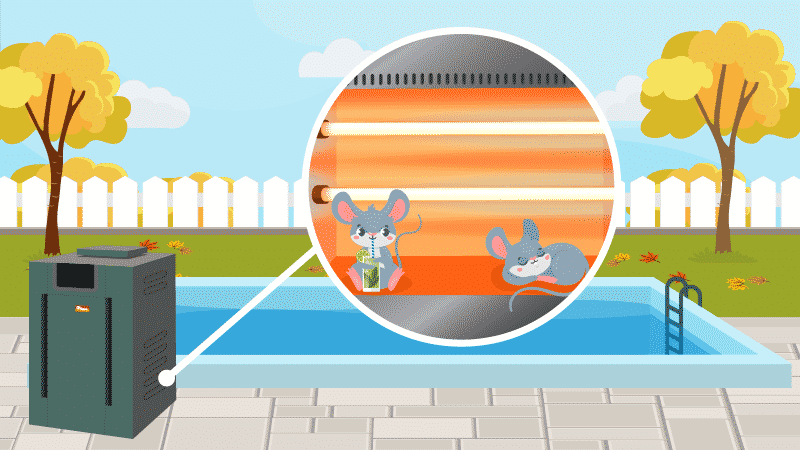
A pool heater is a critical part of your swimming pool setup, especially if you want to enjoy warm water beyond the peak summer months. When functioning properly, it provides comfort, extends your swimming season, and protects the value of your pool investment. However, when colder weather arrives, your pool heater can become an unintended target for mice and other small rodents searching for warmth and shelter.
Although mice are small, the damage they cause to pool heater systems can be extensive and costly. Rodent-related issues are one of the leading causes of unexpected pool heater failures, particularly during fall and winter. From chewed electrical wiring to contamination of sensitive electronic components, a rodent infestation can render a heater unreliable—or completely unusable—often with little warning.
This in-depth guide explains why mice are attracted to pool heaters, how they cause damage, the specific risks to printed circuit boards, warning signs to watch for, proven prevention strategies, and why prompt maintenance is essential for pool owners in New Jersey.
Why Pool Heaters Are Attractive to Mice
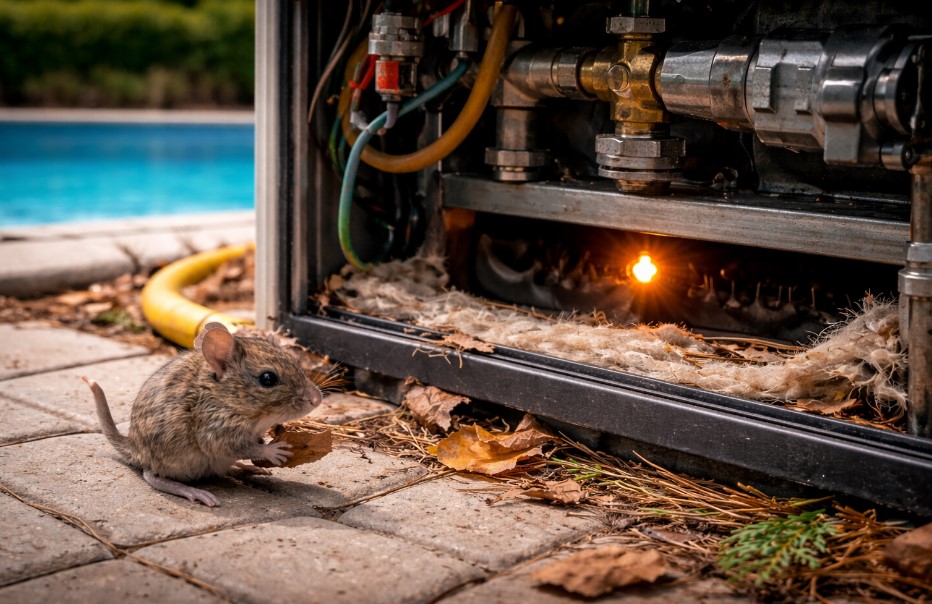
As outdoor temperatures begin to drop, mice instinctively look for places that provide warmth, dryness, and protection from predators. Pool heaters offer all of these conditions in a single compact unit. The enclosed cabinet shelters rodents from rain, snow, and wind, while internal components retain residual heat, even when the heater is not actively running.
Another major factor is inactivity. Pool heaters often sit unused for weeks or months during the colder seasons. This quiet, undisturbed environment allows mice to move in unnoticed. Once inside, they can nest comfortably and multiply, creating ongoing problems that worsen over time.
Accessibility also plays a role. Pool heaters require openings for gas lines, plumbing connections, electrical wiring, and ventilation. To a homeowner, these gaps may seem insignificant, but for a mouse, they are more than sufficient points of entry. A mouse can squeeze through openings smaller than a dime, making it easy for rodents to access the interior of the heater cabinet.
How Mice Damage Pool Heater Systems
Rodent damage often begins subtly and becomes more severe the longer it goes undetected. Some of the most common types of damage include:
Chewed Electrical Wiring
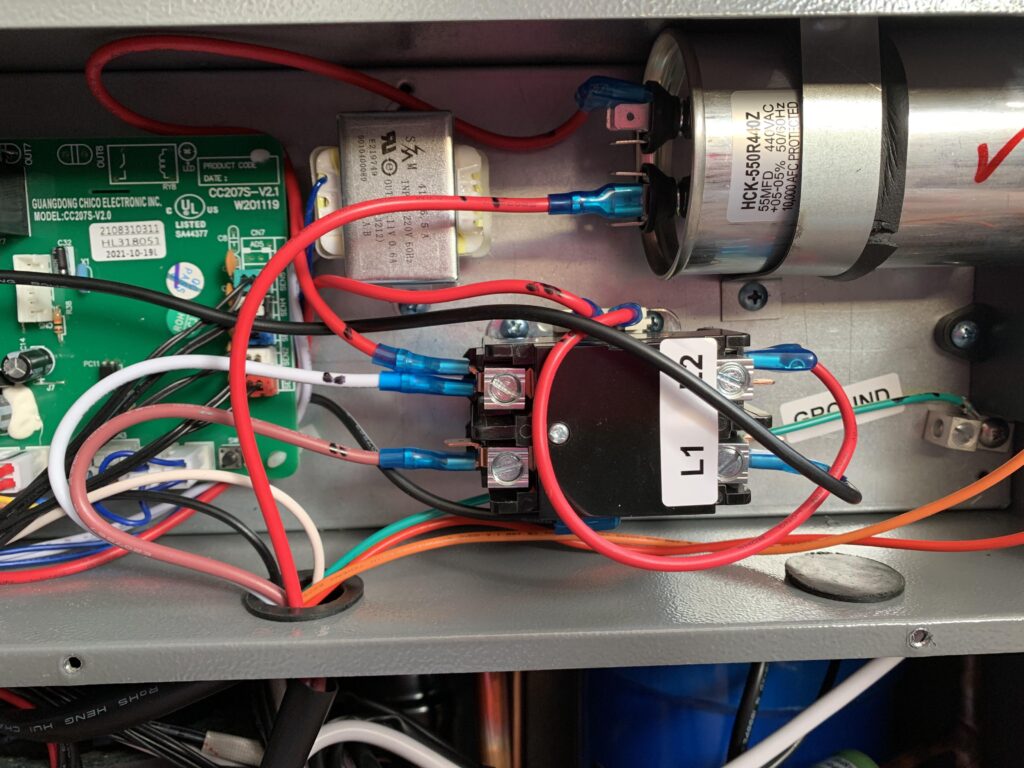
Mice have continuously growing teeth and must gnaw on materials to keep them from overgrowing. Electrical wiring inside pool heaters is a prime target. When mice chew through wire insulation or sever wires completely, the heater may experience intermittent malfunctions, ignition failures, blown fuses, or complete shutdowns. Damaged wiring can also create dangerous short circuits and increase the risk of electrical fires.
Nesting Materials and Blocked Ventilation
To stay warm, mice build nests inside the heater cabinet using leaves, insulation, grass, paper, or debris they find nearby. These nesting materials can obstruct airflow pathways and block ventilation openings. Restricted airflow often causes pool heaters to overheat, trigger safety shutdowns, or operate inefficiently, leading to premature wear on internal components.
Contamination From Urine and Droppings
The most destructive form of rodent damage is contamination. Mouse droppings and urine introduce moisture and corrosive compounds into the heater. While droppings are unsanitary, urine causes far more long-term damage—especially when it reaches electronic components.
Why Mouse Urine Is Especially Damaging to PC Boards
Modern pool heaters rely on printed circuit boards (PCBs) to control nearly every essential function, including ignition sequences, temperature regulation, safety monitoring, and system diagnostics. These boards contain delicate metal traces, solder points, and connectors that are extremely sensitive to moisture and corrosion.
Mouse urine contains ammonia, salts, and other compounds that aggressively corrode metal surfaces. When urine comes into contact with a PC board, several destructive processes occur:
- Metal traces and terminals begin to corrode, interrupting electrical signals
- Moisture increases conductivity, leading to short circuits and erratic operation
- Crystallized residue can continue damaging components long after the rodents are gone
In many cases, once corrosion spreads on a PC board, repairs are no longer possible. The board may fail completely, preventing the heater from igniting or maintaining temperature. Replacement is often the only solution, and circuit boards can be one of the most expensive heater components. Additionally, many heater manufacturers do not cover rodent-related damage under warranty, leaving homeowners to absorb the full repair cost.
Warning Signs of Rodent Damage in Pool Heaters
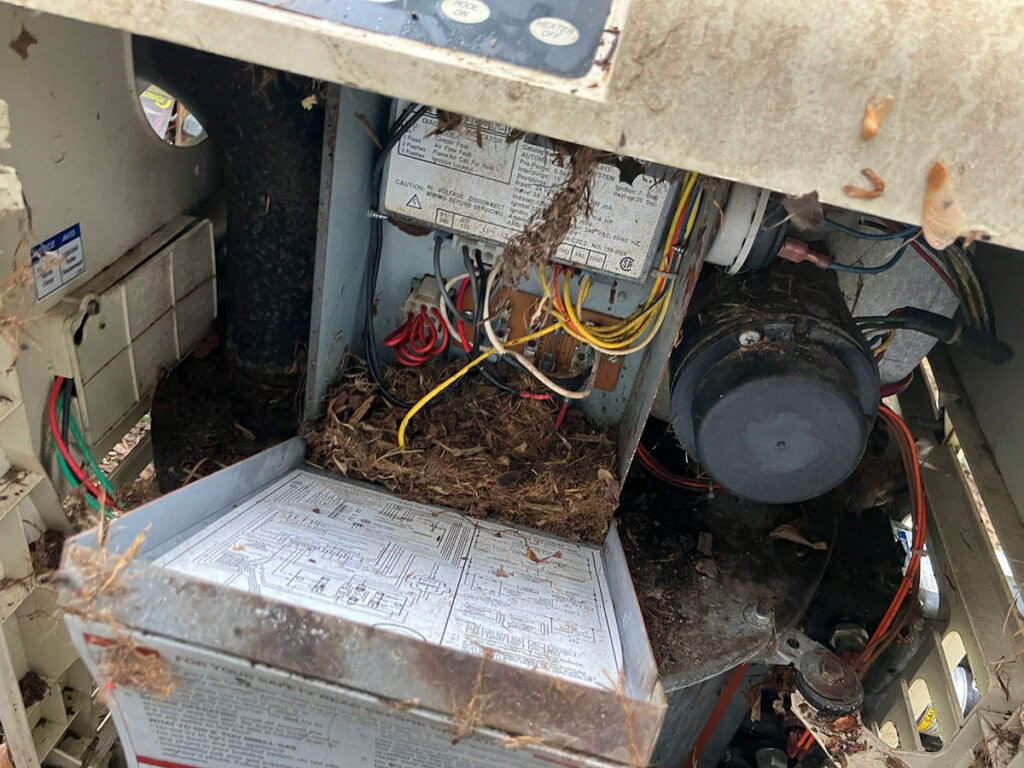
Catching rodent activity early can save thousands of dollars in repairs. Pool owners should be alert for the following warning signs:
- Scratching, scurrying, or rustling sounds coming from the heater cabinet
- Strong or unusual odors when the heater is operating
- Ignition problems or recurring error codes
- Chewed or exposed wiring and damaged insulation
- Nesting materials visible inside or near the heater
- Droppings or discoloration on internal components
If any of these signs appear, the heater should be powered off immediately. Continuing to operate a heater with rodent damage can escalate electrical failures and increase fire risks.
How to Prevent Mice From Entering Your Pool Heater
Preventative maintenance is far less expensive and far less stressful than repairing rodent damage. Effective prevention focuses on limiting access, removing attractants, and maintaining consistent inspections.
Seal All Possible Entry Points
Carefully inspect the heater cabinet for gaps where pipes, wires, or vents enter. These openings should be sealed using rodent-resistant materials such as steel mesh or pest-rated expanding foam. Pay close attention to the base of the heater, as mice often enter from ground level.
Keep the Equipment Area Clean
Rodents are attracted to cluttered environments that offer hiding spots and nesting material. Clear away leaves, grass clippings, mulch, wood piles, and unused equipment from around the pool heater. A clean, open area makes the space less appealing to mice.
Use Rodent Deterrents
Natural repellents like peppermint oil, as well as commercial deterrents or ultrasonic devices, can help discourage mice from nesting inside heaters. While these solutions are not foolproof, they can be effective when combined with proper sealing and maintenance.
Use an Off-Season Heater Cover
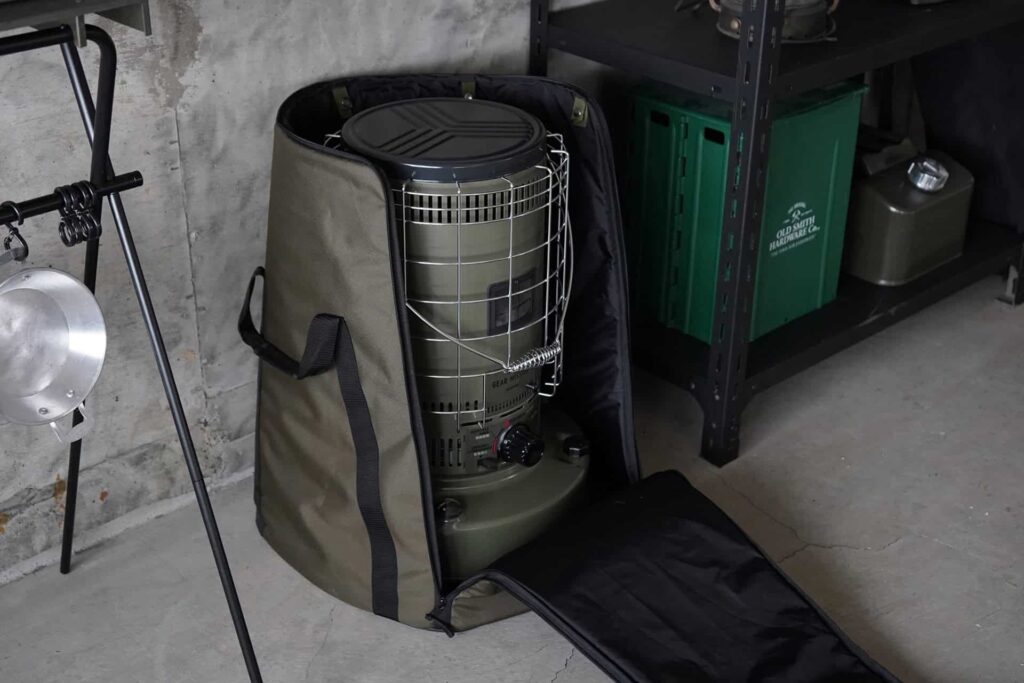
A well-fitted, breathable heater cover can help block access during the off-season. The cover should protect the unit without trapping moisture and should fit snugly around the base to prevent rodents from slipping underneath.
Schedule Annual Professional Inspections
Annual inspections allow technicians to clean internal components, check wiring and electronics, and identify early signs of rodent activity. Routine maintenance is one of the most effective ways to prevent unexpected heater breakdowns.
What to Do If Mice Have Already Caused Damage
If rodents have entered your pool heater, professional service is essential. Mouse droppings and urine can carry bacteria and viruses, and improper cleanup can pose health risks.
A qualified pool technician can safely:
- Remove nests, debris, and contaminated materials
- Inspect wiring, insulation, and electronic components
- Identify corrosion or bite damage on circuit boards
- Replace damaged wiring or electronic parts
- Clean and sanitize affected areas
- Seal entry points to prevent repeat infestations
If a PC board has been compromised by urine, replacement is often unavoidable. While this can be costly, prompt repair can prevent further damage to other components and restore safe operation.
The True Cost of Ignoring Rodent Damage
Delaying repairs rarely saves money. What begins as a small wiring issue can turn into a complete system failure over one winter season. Corrosion spreads quickly and can affect ignition systems, sensors, safety switches, and control boards.
Repair costs can range from a few hundred dollars for minor wiring fixes to well over a thousand dollars for circuit board replacement. In extreme cases, replacing the entire pool heater may be the only option. Early detection and timely maintenance dramatically reduce these risks.
Pool Heater Care for New Jersey Homeowners
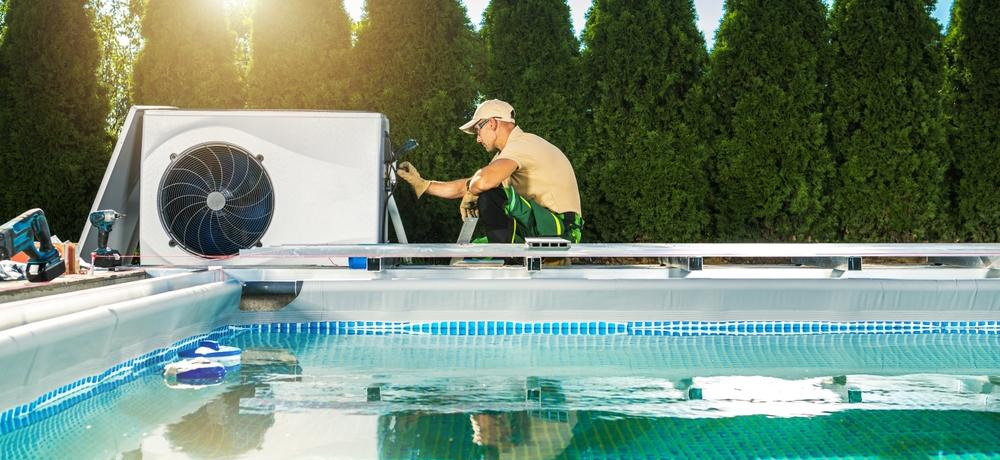
In regions with cold winters, proactive pool heater care is especially important. Experienced pool professionals understand the common entry points rodents use and how to protect heaters from seasonal threats.
NJ Waterscapes provides pool heater inspections, maintenance, and repair services throughout New Jersey, helping homeowners protect their equipment, avoid rodent-related damage, and extend the lifespan of their heating systems.
Final Thoughts
Mice may be small, but their impact on pool heaters can be devastating. Chewed wiring, blocked airflow, and urine-damaged circuit boards are among the most common causes of heater failure during colder months. Once corrosion affects electronic components, repairs are often costly and unavoidable.
By sealing entry points, keeping the equipment area clean, using deterrents, and scheduling regular professional inspections, pool owners can significantly reduce the risk of rodent damage. Taking preventative action today helps ensure reliable heater performance, safer operation, and many more comfortable swimming seasons ahead.